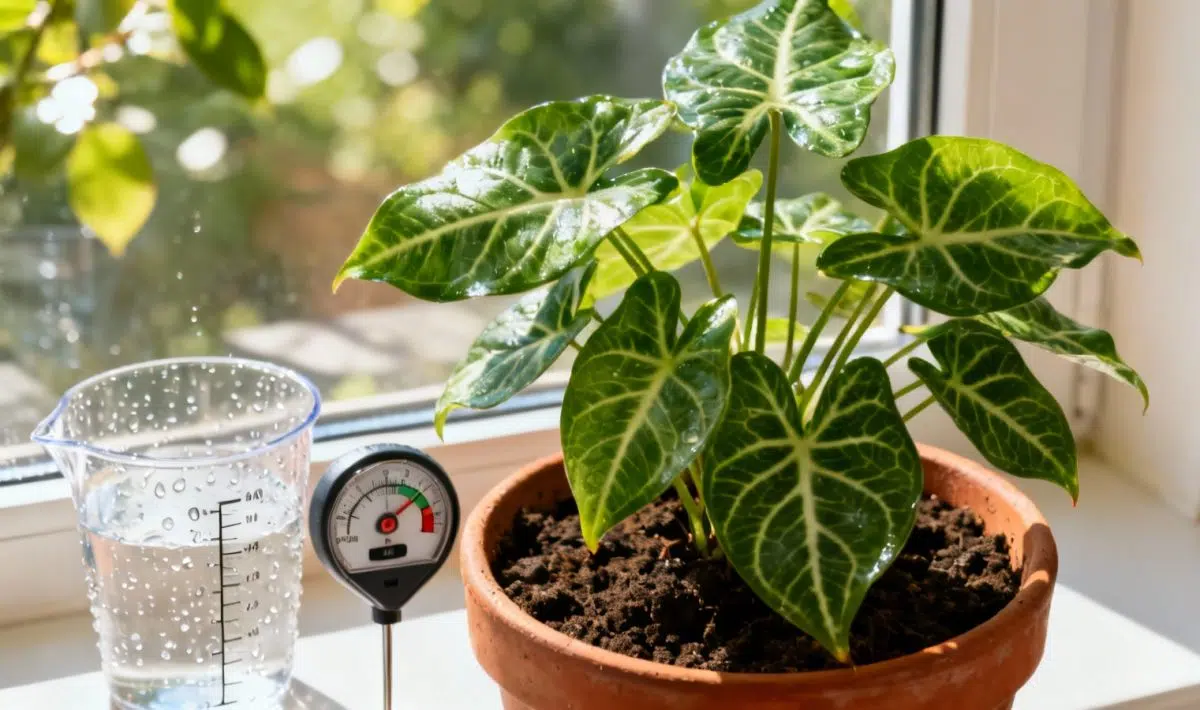
How often should you water your nerve plant for healthy growth
Taking care of your nerve plant (Fittonia) can be incredibly rewarding, but understanding how often should you water your nerve plant is crucial for its health and vibrant appearance. These stunning houseplants with their intricate vein patterns are more sensitive than you might think, and proper watering is the key to keeping them thriving in your indoor space.
Nerve plants are tropical beauties that naturally grow in humid forest floors where moisture is consistent but never waterlogged. This means your Fittonia prefers soil that stays slightly moist but never soggy. The general rule is to water when the top 2-3 centimeters of soil feel dry to the touch, which typically happens about once a week in normal household conditions.
You can easily check the moisture level by inserting your finger into the soil. If it feels dry at this depth, it’s time to give your plant a drink. However, if you feel moisture, wait another day or two before checking again. This simple technique will help you avoid both overwatering and underwatering, which are the most common mistakes plant parents make.
The bright indirect light that nerve plants love also affects their water consumption. Plants in brighter spots will use water more quickly than those in lower light conditions. Similarly, just as you might follow specific guidelines for watering your pin stripe plant, each houseplant has its unique requirements that you’ll learn to recognize over time.
Seasonal watering adjustments for optimal growth
Your watering schedule should shift with the seasons to match your plant’s changing needs. During spring and summer, when your nerve plant is actively growing, you might need to water more frequently – sometimes twice a week if temperatures are particularly high or humidity is low. The increased sunlight and warmth cause faster evaporation from both the soil and the leaves.
Winter brings a different story entirely. Your Fittonia will slow down its growth significantly during the colder months, which means it will use less water. You might only need to water every 10-14 days during this period. Always check the soil first rather than sticking to a rigid schedule, as indoor heating can create unpredictable conditions.
Temperature plays a huge role in determining frequency. In rooms that are consistently warm, your plant will need more frequent watering than in cooler spaces. Keep an eye on your plant’s environment and adjust accordingly – this flexibility is what separates successful plant parents from those who struggle.
Proper watering techniques that make a difference
How you water is just as important as when you water. Always use room temperature water to avoid shocking the roots, and water slowly until you see excess water draining from the bottom holes. This ensures that water reaches all parts of the root system and flushes out any built-up salts from fertilizers.
Drainage is absolutely critical for nerve plants. If your pot doesn’t have drainage holes, create some or consider repotting into a container that does. Standing water is a death sentence for these plants, leading to root rot that can kill your Fittonia within days. The soil should be well-draining but moisture-retentive – a tricky balance that specialized potting mixes can help you achieve.
Many plant enthusiasts find that bottom watering works wonderfully for nerve plants. Place your pot in a tray of water and let the plant absorb moisture from below for about 30 minutes. This method ensures even water distribution and prevents water from sitting on the leaves, which can cause fungal issues.
Recognizing signs your plant needs attention
Your nerve plant will communicate its needs if you know what to look for. Dramatic wilting is often the first sign of underwatering – the entire plant may collapse as if it’s given up hope. Don’t panic though, as nerve plants are known for their theatrical displays and often bounce back quickly with proper watering.
Yellowing leaves, on the other hand, usually indicate overwatering. When roots sit in soggy soil, they can’t function properly and the plant responds by dropping leaves. If you notice this happening, reduce your watering frequency immediately and check that your drainage is adequate.
Brown leaf edges can signal several issues: underwatering, low humidity, or water quality problems. If your tap water is heavily chlorinated or contains high levels of fluoride, consider using filtered water or letting tap water sit out overnight before using it. This attention to detail, much like the care you’d give when watering your rosemary correctly, can make a significant difference in your plant’s health.
Creating the ideal environment for your Fittonia
Beyond watering, your nerve plant thrives in specific environmental conditions that affect its water needs. High humidity (50-60%) is essential, and you can create this by grouping plants together, using a humidifier, or placing a water-filled tray with pebbles near your plant. Higher humidity means your plant will need less frequent watering since moisture in the air reduces water loss through the leaves.
Air circulation is another factor that influences watering frequency. Good airflow helps prevent fungal diseases and ensures even moisture distribution around your plant. However, avoid placing your nerve plant directly in front of heating vents or air conditioners, as these can cause rapid water loss and stress your plant.
The type of pot you use affects watering needs too. Terra cotta pots dry out faster than plastic ones, so you’ll need to water more frequently with porous materials. Consider this when choosing containers and adjust your watering schedule accordingly.
Common mistakes to avoid for long-term success
One of the biggest mistakes new plant parents make is watering on a strict schedule regardless of actual plant needs. Your nerve plant doesn’t care what day of the week it is – it only cares about soil moisture levels. Environmental factors like humidity, temperature, and light can change these needs daily.
Another common error is using cold water straight from the tap. This can shock the roots and slow growth significantly. Always let your water reach room temperature before watering, or keep a watering can filled and ready at all times.
Overcompensating after neglect is also problematic. If you’ve forgotten to water and your plant is wilting, resist the urge to flood it with water. Instead, give it a normal amount and monitor how it responds. Just as you would be methodical about watering your arborvitae properly, consistency and patience are key with nerve plants too.
Troubleshooting water-related problems
If your nerve plant seems consistently unhappy despite your best efforts, consider the water quality in your area. Some regions have very hard water that can build up minerals in the soil over time. Using filtered or distilled water occasionally can help flush these accumulations and reset your plant’s environment.
Root bound plants may seem to need water constantly because there’s little soil left to hold moisture. If water runs straight through your pot without being absorbed, it might be time to repot into a slightly larger container with fresh soil. This gives your plant more space and improves water retention.
Sometimes what appears to be a watering problem is actually a light or humidity issue in disguise. Nerve plants in too much direct sunlight will use water faster and may show stress symptoms. Similarly, extremely low humidity can cause rapid water loss regardless of how often you water.
Supporting your nerve plant’s overall health
Proper nutrition supports your plant’s ability to process water effectively. During the growing season, a monthly dose of diluted liquid fertilizer helps your nerve plant maintain strong, healthy foliage that can better regulate water usage. However, never fertilize dry soil, as this can burn the roots.
Regular inspection of your plant helps you catch problems early. Check for pests like spider mites, which thrive in dry conditions and can rapidly damage your Fittonia. Early detection means easier treatment and less stress on your plant.
Pruning dead or damaged leaves not only keeps your plant looking good but also reduces water waste. Dead foliage can’t contribute to the plant’s health but still draws resources. Remove yellowing or brown leaves promptly to redirect energy to healthy growth. This principle applies broadly across houseplant care, whether you’re learning how to water coriander effectively or maintaining any other indoor garden.
Long-term care strategies for thriving nerve plants
As you develop a relationship with your nerve plant, you’ll begin to notice subtle signs that indicate its needs. The leaves might lose some of their glossy appearance when water is needed, or they might perk up noticeably after a good drink. These observations help you fine-tune your care routine.
Keep a simple plant journal noting when you water, environmental conditions, and your plant’s response. This record helps you identify patterns and adjust your care routine based on actual results rather than general guidelines. What works for your specific plant in your unique environment might differ slightly from textbook recommendations.
Consider the bigger picture of your plant collection too. If you’re growing multiple houseplants, understanding each one’s specific needs helps you create efficient care routines. For instance, knowing that herb plants like those requiring attention when watering your chives have different schedules can help you organize your plant care more effectively.
Remember that becoming skilled at plant care takes time and patience. Your nerve plant is forgiving of mistakes as long as you learn from them and adjust your approach. With consistent attention to its watering needs and environmental preferences, your Fittonia will reward you with gorgeous, healthy foliage that brings life and color to your indoor space year-round.
Allan is a lifelong gardening enthusiast who still gets excited when the first seedlings pop up in spring. With a deep love for nature and a hands-in-the-soil approach, he shares practical tips, plant discoveries, and clever tricks picked up over years of digging, planting, and observing. Whether you’re a new gardener or have a shed full of tools, Allan writes like a neighbor who’s always happy to swap cuttings and stories over the fence.
You can find more about Allan’s work on Malt or connect with him on LinkedIn.