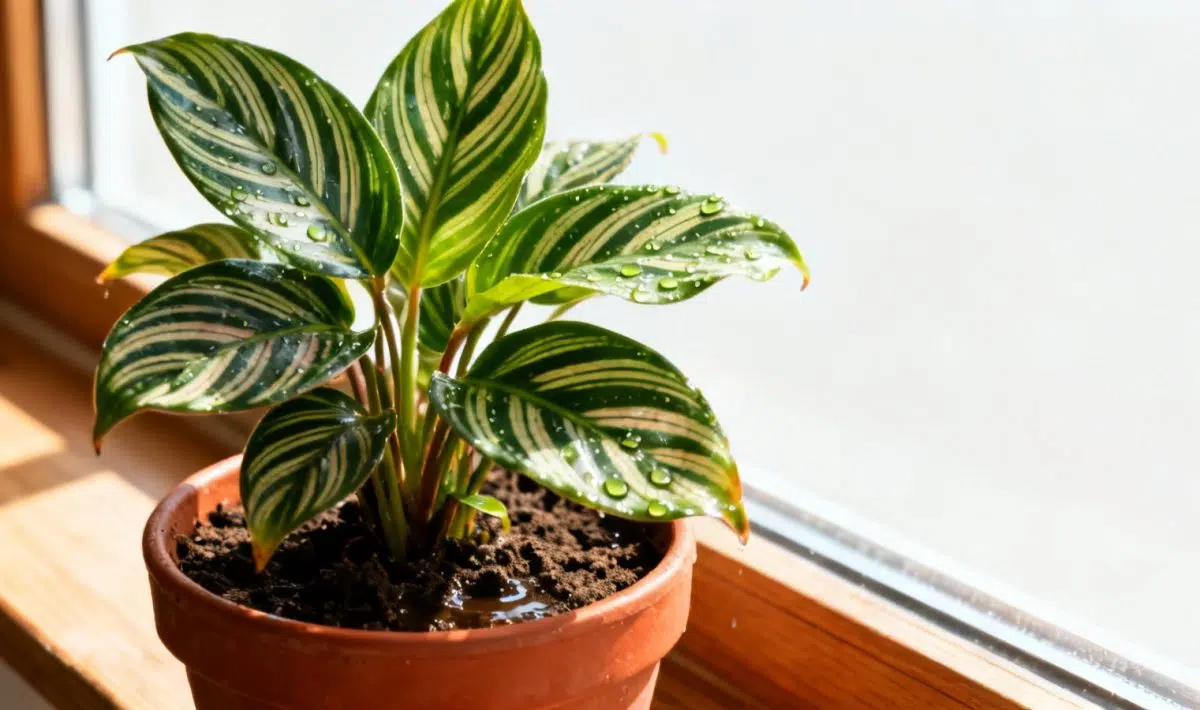
How often should you water your pin stripe plant for healthy growth
When it comes to keeping your pin stripe plant happy and healthy, understanding its watering needs is absolutely crucial. The Calathea ornata, known for its stunning striped foliage, requires consistent moisture without being waterlogged. Many plant enthusiasts struggle with finding that sweet spot between too much and too little water.
Pin stripe plants are tropical beauties that naturally grow in humid forest environments where they get consistent moisture. This means your indoor plant will thrive when you maintain soil that’s slightly moist but never soggy. The key is to water when the top inch of soil feels dry to the touch, which typically happens every 7-10 days during growing season.
Unlike drought-tolerant plants, these lovely specimens don’t appreciate drying out completely. They also hate sitting in waterlogged soil, which can quickly lead to root rot. Finding this balance becomes easier once you understand what signs to look for and develop a routine that works with your specific growing conditions.
Signs that indicate watering time
Learning to read your plant’s signals will make you a more confident plant parent. The most reliable method is the finger test – simply stick your finger about an inch deep into the soil. When the top layer feels dry but you can still detect some moisture deeper down, it’s time to water.
Visual cues are equally important to monitor. Healthy pin stripe plants have vibrant, upright leaves with crisp patterns. When they need water, you might notice the leaves starting to curl slightly or appear less perky than usual. However, be careful not to confuse natural evening leaf movement with dehydration, as these plants naturally fold their leaves at night.
The soil itself will give you clues too. Dry soil often pulls away from the pot edges and feels lighter when you lift the container. Fresh, moist soil has a darker color and feels substantial when you pick up the pot.
Seasonal watering adjustments
Your watering schedule isn’t set in stone throughout the year. During spring and summer, when your pin stripe plant is actively growing, it will need more frequent watering. The combination of longer days, higher temperatures, and increased growth means the soil dries out faster.
Winter brings different challenges. Lower light levels and cooler temperatures slow down the plant’s metabolism significantly. This means the soil stays moist longer, and you’ll need to reduce watering frequency to prevent problems. Many plant parents make the mistake of maintaining their summer watering schedule year-round, leading to overwatering issues during the dormant season.
Just as you might consider watering your pin oak effectively during different seasons, indoor plants require similar seasonal awareness for optimal health.
Proper watering techniques that work
When it’s time to water, do it thoroughly. Pour room-temperature water slowly around the base of the plant until you see it draining from the bottom holes. This ensures the entire root system gets hydrated, not just the top layer of soil. Always empty the drainage tray after 30 minutes to prevent the plant from sitting in standing water.
Morning watering is generally best because it gives the plant all day to use the water and allows any excess moisture on leaves to evaporate. Avoid watering late in the evening, as this can create conditions that encourage fungal problems.
The quality of water matters too. If your tap water is heavily chlorinated or very hard, consider using filtered water or letting tap water sit out overnight before using it. Pin stripe plants are sensitive to chemicals and minerals that can build up in the soil over time.
Creating the ideal growing environment
Humidity plays a massive role in how often you’ll need to water. Pin stripe plants absolutely love humidity levels between 50-60%. When the air is dry, the soil dries out faster and the plant may show stress even with regular watering. You can increase humidity by grouping plants together, using a humidifier, or placing a water-filled pebble tray nearby.
Light conditions also affect watering frequency. Plants in bright, indirect light will use water more quickly than those in lower light situations. However, avoid placing your pin stripe plant in direct sunlight, as this can scorch the leaves and create unpredictable watering needs.
Temperature consistency helps maintain predictable watering schedules. These plants prefer temperatures between 65-80°F and don’t appreciate sudden fluctuations. Drafty areas or spots near heating vents can cause irregular drying patterns that make it harder to establish a good watering routine.
Common watering mistakes to avoid
Overwatering is probably the biggest killer of houseplants, and pin stripe plants are no exception. Many enthusiastic plant parents water on a strict schedule regardless of soil conditions. This approach often leads to soggy soil and root problems, especially during winter months when plants need less water.
On the flip side, letting the soil dry out completely can stress your plant and cause leaf browning or dropping. Pin stripe plants come from consistently moist environments, so extreme drought isn’t something they handle well.
Another common mistake is watering just the surface of the soil. Light, frequent watering doesn’t encourage healthy root development and can actually make your plant more susceptible to drought stress. Always water deeply when the soil needs it, rather than giving small sips daily.
Troubleshooting watering-related problems
If you notice yellowing leaves starting from the bottom of the plant, you might be overwatering. This is often the first sign that roots are struggling with too much moisture. Reduce watering frequency and ensure your pot has adequate drainage.
Brown, crispy leaf edges usually indicate underwatering or low humidity. While it’s tempting to water more frequently, first check if increasing humidity helps. Sometimes the problem isn’t the amount of water you’re giving, but rather the dry air that’s causing moisture to evaporate too quickly.
Similar to maintaining proper care for your arborvitae, consistency and observation are key to preventing problems before they become serious.
Advanced tips for pin stripe plant success
Consider the size and material of your pot when establishing watering routines. Larger pots hold moisture longer, while smaller containers dry out quickly. Terra cotta pots are porous and allow more evaporation, requiring more frequent watering than plastic or glazed ceramic containers.
Soil mix also affects watering frequency. A well-draining mix with peat moss, perlite, and organic matter will hold moisture while allowing excess water to drain away. Heavy, dense soil stays wet too long and can cause problems even with perfect watering timing.
For herb enthusiasts who also grow culinary plants, the principles of keeping your coriander fresh share similarities with houseplant care in terms of consistent moisture management.
Finally, remember that each plant is an individual. While these guidelines provide a solid foundation, your specific plant might have slightly different needs based on its size, age, and growing conditions. Pay attention to how your pin stripe plant responds to your care routine and adjust accordingly.
Just as gardeners learn the specific needs of different species like understanding healthy growth of chives or ensuring vibrant blooms for treasure flowers, developing expertise with your pin stripe plant takes time and observation. The reward is a stunning, healthy plant that will grace your home with its beautiful foliage for years to come.
Allan is a lifelong gardening enthusiast who still gets excited when the first seedlings pop up in spring. With a deep love for nature and a hands-in-the-soil approach, he shares practical tips, plant discoveries, and clever tricks picked up over years of digging, planting, and observing. Whether you’re a new gardener or have a shed full of tools, Allan writes like a neighbor who’s always happy to swap cuttings and stories over the fence.
You can find more about Allan’s work on Malt or connect with him on LinkedIn.