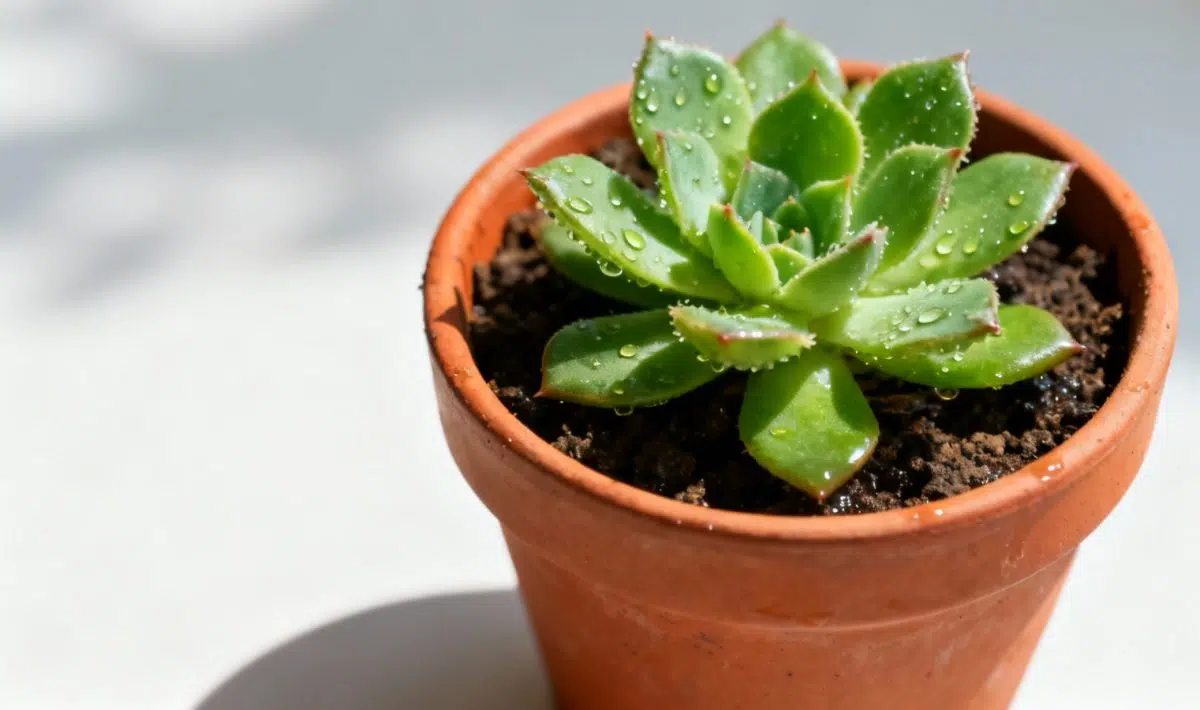
Your Eve’s pin (Austrocylindropuntia subulata) is more than just another cactus on your windowsill. This unique plant has specific watering requirements that differ significantly from your typical houseplants. Understanding these needs is crucial for maintaining a healthy, thriving specimen that will bring joy to your home for years to come.
The key to success with this plant lies in recognizing that it follows a seasonal cycle. During active growing periods, your Eve’s pin requires more attention and water, while dormant seasons call for a dramatically different approach. This natural rhythm helps the plant conserve energy and prepare for optimal growth phases.
Seasonal watering schedule for optimal growth
Spring and summer mark the active growing season for your Eve’s pin. During this time, you should water your plant regularly but allow the soil to dry completely between waterings. This typically translates to watering once or twice monthly in spring, increasing to weekly sessions during hot summer months when temperatures soar.
The plant’s water requirements shift dramatically as autumn approaches. You’ll want to gradually reduce watering frequency as temperatures drop and daylight hours decrease. By winter, your Eve’s pin enters a dormant phase where monthly watering becomes sufficient, and in some cases, you can skip watering entirely for weeks at a time.
Recognizing the signs your plant needs water
Your Eve’s pin will communicate its water needs through subtle visual cues. The most reliable indicator is the soil condition – stick your finger about an inch into the substrate to check for moisture. When the soil feels completely dry, it’s time to give your plant a drink.
Watch for slight wrinkling or softening of the stems, which indicates the plant is drawing on its internal water reserves. However, don’t wait until the plant shows stress signs. A healthy watering routine prevents these issues and keeps your Eve’s pin looking its best throughout the year.
Environmental factors affecting watering frequency
The conditions around your plant significantly impact how often you should water your Eve’s pin. Temperature plays a crucial role – higher temperatures increase water evaporation and plant metabolism, requiring more frequent watering. Conversely, cooler conditions slow these processes down considerably.
Light exposure also influences watering needs. Plants placed in bright, direct sunlight will require more water than those in shadier locations. Similarly, humidity levels in your home affect how quickly soil dries out. During winter months when indoor heating reduces humidity, you might need to adjust your watering schedule accordingly.
Air circulation around your plant affects moisture retention as well. Good airflow helps prevent fungal issues but also increases water evaporation from the soil surface. Consider these factors when determining your specific watering routine.
Soil and drainage requirements
Proper soil composition is essential for successful Eve’s pin care. Your plant thrives in well-draining cactus mix that prevents water from sitting around the roots. Standard potting soil retains too much moisture and can lead to root rot, which is often fatal for cacti.
Create an ideal growing medium by mixing regular potting soil with coarse sand, perlite, or pumice. This combination allows water to flow through quickly while providing necessary nutrients. The goal is soil that drains completely within minutes of watering, not hours.
Ensure your pot has adequate drainage holes at the bottom. Water should flow freely out of these holes during watering sessions. If water pools in the saucer beneath your pot, empty it within an hour to prevent root problems.
Proper watering techniques
When it’s time to water your Eve’s pin, do so thoroughly but infrequently. Water slowly until you see liquid flowing from the drainage holes, ensuring the entire root system receives moisture. This deep watering encourages healthy root development and mimics natural rainfall patterns.
Use room temperature water to avoid shocking the plant’s roots. Cold water can stress the plant, while hot water might damage delicate root structures. If your tap water is heavily chlorinated, let it sit overnight before using, or consider using filtered water for sensitive plants.
Water at the base of the plant rather than over the stems and pads. Moisture sitting on the plant surface can encourage bacterial or fungal growth, particularly in humid conditions or poor air circulation areas.
Common watering mistakes to avoid
The most frequent error plant owners make is overwatering their Eve’s pin. This succulent plant stores water in its tissues and can survive longer without water than most people realize. Signs of overwatering include yellowing, mushy stems, and a foul smell from the soil.
Conversely, severe underwatering can stress your plant unnecessarily. While Eve’s pin tolerates drought well, completely neglecting watering for months can weaken the plant and make it susceptible to pests and diseases. For those interested in learning about different watering approaches, you might find watering tips for African-lilies helpful for understanding diverse plant needs.
Avoid misting your Eve’s pin as you might with tropical plants. The thick, waxy surface of cactus plants doesn’t absorb water through their skin, and excess moisture can create conditions favorable for fungal problems.
Tools and equipment for better plant care
Having the right tools makes watering your Eve’s pin more effective and enjoyable. A watering can with a narrow spout allows precise water placement at the soil level without splashing the plant itself. This control helps prevent water from sitting on plant surfaces where it might cause problems.
A moisture meter takes the guesswork out of watering decisions. These inexpensive devices provide accurate readings of soil moisture levels several inches below the surface, helping you determine exactly when your plant needs water. This is particularly useful for beginners who are still learning to read their plant’s signals.
Consider investing in a well-draining pot specifically designed for cacti and succulents. These containers often have extra drainage holes and are made from breathable materials like terracotta that help prevent overwatering issues. Much like caring for Japanese cherry trees requires specific attention to watering needs, your Eve’s pin benefits from appropriate containers.
Troubleshooting watering problems
If your Eve’s pin shows signs of stress despite your best efforts, assess your watering routine first. Overwatered plants may develop soft, discolored areas on their stems or an unpleasant odor from the soil. In these cases, reduce watering frequency immediately and ensure proper drainage.
Underwatered plants typically show wrinkled or shrunken appearance in their stems. If you notice these signs, gradually increase watering frequency but avoid the temptation to flood the plant with water all at once. Sudden changes can shock the root system.
Sometimes plants develop problems despite proper watering due to poor soil conditions or inadequate light. If watering adjustments don’t improve your plant’s condition, consider repotting with fresh, well-draining soil or relocating to a brighter spot in your home.
Advanced care considerations
As your Eve’s pin matures, its watering needs may change slightly. Larger plants with more extensive root systems can handle slightly more water, while newly repotted plants need reduced watering until they establish new roots in their fresh soil.
During particularly hot summer months, you might need to water more frequently than usual. However, always check soil moisture first rather than following a rigid schedule. Plants are individuals with varying needs based on their specific growing conditions.
Consider the age and size of your plant when planning care routines. Young plants typically need more attention and slightly more frequent watering than established specimens. As with how to water common mullein or other specialized plants, understanding your specific variety’s needs is crucial.
Creating the perfect growing environment
Beyond watering, your Eve’s pin thrives in bright, indirect light for most of the day. A south-facing window with some protection from intense afternoon sun provides ideal conditions. This lighting supports healthy growth while preventing the plant from becoming stressed or etiolated.
Temperature stability contributes to consistent watering needs. Avoid placing your plant near heating vents, air conditioning units, or drafty areas where temperature fluctuations might affect its water requirements. Consistent conditions make it easier to establish and maintain a proper watering routine.
Good air circulation around your plant helps prevent fungal issues and assists with moisture regulation. However, avoid placing your Eve’s pin in areas with strong, constant drafts that might dry it out too quickly or stress the plant unnecessarily.
Remember that successful plant care involves understanding each species’ unique requirements. Just as watering your ponytail palm effectively requires specific knowledge, your Eve’s pin has particular needs that, once understood, make it a relatively easy and rewarding plant to grow.
With proper attention to watering frequency, soil conditions, and environmental factors, your Eve’s pin will thrive as a beautiful addition to your indoor plant collection. The key is finding the right balance for your specific growing conditions and adjusting as needed throughout the seasons.
Allan is a lifelong gardening enthusiast who still gets excited when the first seedlings pop up in spring. With a deep love for nature and a hands-in-the-soil approach, he shares practical tips, plant discoveries, and clever tricks picked up over years of digging, planting, and observing. Whether you’re a new gardener or have a shed full of tools, Allan writes like a neighbor who’s always happy to swap cuttings and stories over the fence.
You can find more about Allan’s work on Malt or connect with him on LinkedIn.