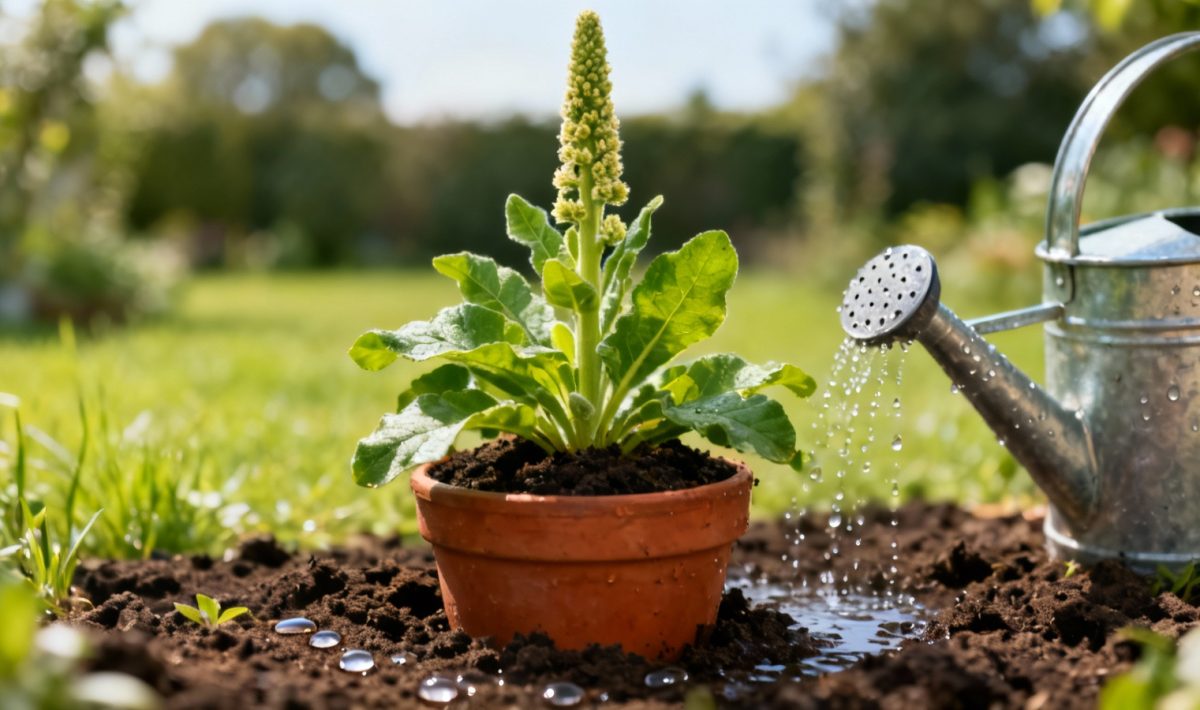
How often should you water your common mullein for optimal growth
Growing common mullein in your garden doesn’t have to be complicated, especially when it comes to watering. This hardy biennial plant that was once treasured in traditional medicine has specific water needs that, once understood, make it surprisingly easy to care for. The key lies in understanding how often should you water your common mullein and adapting your approach to its natural drought-resistant characteristics.
Common mullein develops an impressive taproot system that can reach depths of up to 20 centimeters, allowing it to access moisture from deep soil layers. This natural adaptation means the plant thrives with minimal watering once established. Unlike many garden plants that require frequent irrigation, mullein actually prefers drier conditions and can suffer from root rot if overwatered.
The plant’s fuzzy, woolly leaves aren’t just for show – they help reduce water loss through evaporation, making mullein remarkably drought-tolerant. This characteristic that made it valuable in traditional herbal preparations also makes it an excellent choice for low-maintenance gardens.
Factors that influence watering frequency
Soil type and drainage
The type of soil you have plays a crucial role in determining watering frequency. Sandy soils drain quickly and may require more frequent watering, while clay soils retain moisture longer. Mullein prefers well-draining soil with good aeration around the roots. If your soil tends to stay soggy, consider amending it with organic matter or creating raised beds to improve drainage.
Climate and weather conditions
Hot, dry summers naturally increase water needs, while cool, humid periods reduce them significantly. During America’s varying climate zones, mullein adapts well to temperatures ranging from USDA zones 4-9, showing remarkable resilience to temperature fluctuations. Monitor local weather patterns and adjust your watering schedule accordingly.
Plant age and development stage
Young seedlings and newly transplanted mullein require more attention than established plants. During the first month after planting, maintain consistent but not excessive moisture to encourage deep root development. Once the plant reaches maturity, its water needs decrease substantially as its root system becomes fully established.
Seasonal watering schedules
Spring and summer care
During active growing seasons, water your mullein approximately once per week, adjusting for rainfall and temperature. In particularly hot periods, you might need to increase frequency slightly, but always check soil moisture first. The goal is to maintain steady growth without creating waterlogged conditions that can lead to fungal issues.
Just as you might research watering your common hornbeam for optimal tree health, understanding mullein’s specific needs ensures successful cultivation. Summer watering should focus on deep, infrequent applications rather than frequent shallow watering.
Fall and winter adjustments
As temperatures drop and growth slows, reduce watering frequency to once per month or less. Mullein enters a dormant phase during winter months, requiring minimal water to survive. Excessive moisture during this period can actually harm the plant by encouraging root rot and fungal diseases.
Similar to how caring for your common bugle requires seasonal adjustments, mullein benefits from reduced winter care that respects its natural dormancy cycle.
Effective watering techniques
Deep watering methods
When you do water, make it count by applying water slowly and deeply. This encourages the plant’s natural deep-rooting behavior and reduces the need for frequent irrigation. Use a soaker hose or drip irrigation system for best results, applying water directly to the soil around the base of the plant.
Manual watering works well too, but focus on the root zone rather than wetting the foliage. Wet leaves can invite fungal problems, especially in humid conditions. Water early in the morning to allow any moisture on leaves to evaporate quickly.
Mulching for moisture retention
A layer of organic mulch around your mullein plants helps maintain consistent soil moisture while suppressing weeds. Apply a 2-3 inch layer of straw, dried leaves, or wood chips, keeping mulch a few inches away from the plant stem to prevent pest issues.
This technique works similarly to methods used for watering your common boxwood, where consistent moisture management leads to healthier, more resilient plants.
Recognizing watering problems
Signs of overwatering
Yellowing leaves, particularly from the bottom up, often indicate too much water. Root rot manifests as dark, mushy roots and a general decline in plant vigor. If you notice these symptoms, reduce watering immediately and improve soil drainage if necessary.
Stunted growth can also result from waterlogged soil conditions. Mullein should grow vigorously during its first year, developing a robust rosette of leaves. Poor growth might signal that your watering approach needs adjustment.
Identifying underwatering
While mullein tolerates drought well, severe water stress can cause premature flowering or reduced plant size. Leaves may appear more gray-green than usual and feel particularly dry or crispy. However, this plant’s natural appearance is quite fuzzy and somewhat dry-looking, so don’t mistake its normal characteristics for water stress.
Just as understanding watering your African-lily requires recognizing specific stress signals, learning mullein’s subtle cues helps you provide appropriate care.
Special considerations for container growing
If you’re growing mullein in containers, watering requirements change significantly. Pots dry out faster than garden soil, requiring more frequent monitoring and watering. However, ensure containers have adequate drainage holes to prevent water accumulation.
Check container soil daily during hot weather, but still maintain the principle of deep, less frequent watering. The techniques used for caring for your ponytail palm in containers can provide useful insights into managing potted drought-tolerant plants.
Adapting to your specific conditions
Every garden presents unique challenges, from soil composition to microclimates created by nearby structures. Start with general guidelines but observe your plants closely to develop a watering routine that works for your specific situation.
Keep a simple garden journal noting when you water and how your plants respond. This record becomes invaluable for refining your approach over time. Remember that even plants with similar care requirements, like those discussed in watering your Monstera obliqua, may need subtle adjustments based on individual growing conditions.
Success with mullein comes from respecting its drought-tolerant nature while providing just enough moisture to support healthy growth. With practice, you’ll develop an intuitive sense for when your plants need water, creating a thriving garden that honors this remarkable plant’s natural resilience and beauty.
Allan is a lifelong gardening enthusiast who still gets excited when the first seedlings pop up in spring. With a deep love for nature and a hands-in-the-soil approach, he shares practical tips, plant discoveries, and clever tricks picked up over years of digging, planting, and observing. Whether you’re a new gardener or have a shed full of tools, Allan writes like a neighbor who’s always happy to swap cuttings and stories over the fence.
You can find more about Allan’s work on Malt or connect with him on LinkedIn.