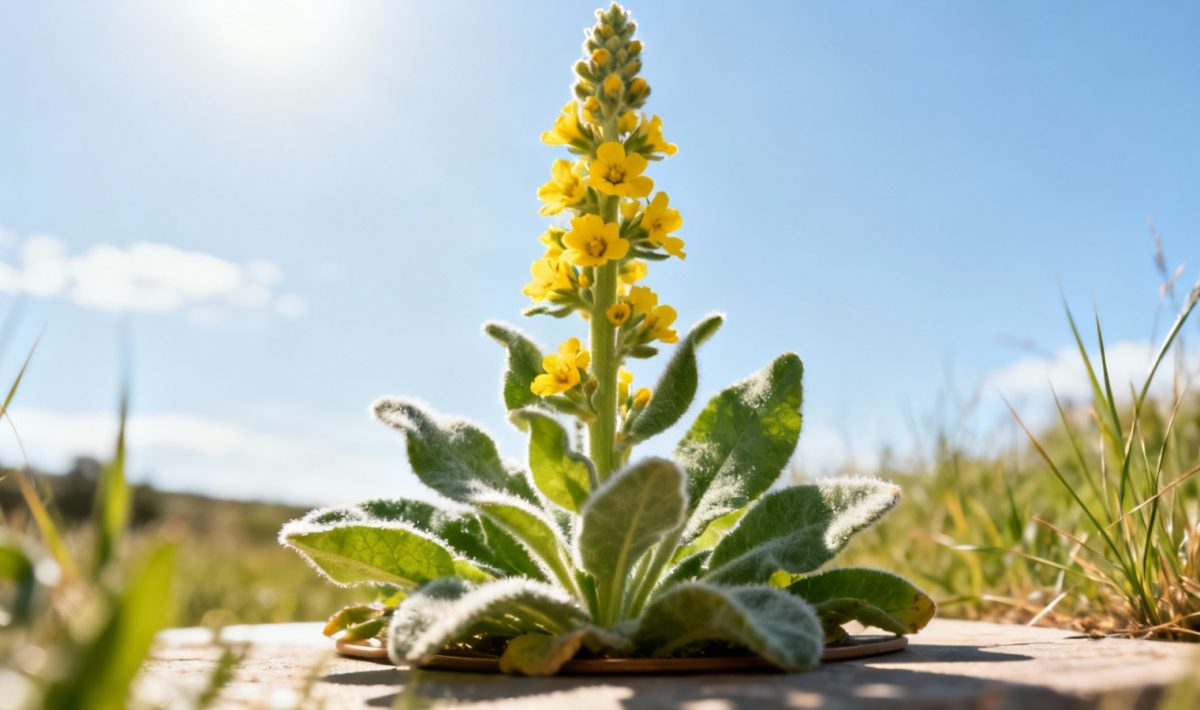
Common mullein (Verbascum thapsus) is a remarkable biennial plant that thrives with abundant sunlight exposure. This hardy species absolutely loves basking in full sun conditions, making it perfect for open, sunny locations in your garden. The plant’s natural habitat includes roadsides, disturbed soils, and open fields where it can soak up maximum sunlight throughout the day.
When you’re planning to grow common mullein, understanding how much sunlight does common mullein need becomes crucial for successful cultivation. This robust plant requires at least 6-8 hours of direct sunlight daily to reach its full potential. Unlike some shade-tolerant herbs, mullein simply won’t perform well in low-light conditions and will struggle to produce its characteristic tall flower spikes.
The photosynthesis process in mullein is highly dependent on strong light exposure. Just as with other sun-loving plants like sunlight requirements for common purslane, mullein converts sunlight into energy that fuels its impressive growth rate and eventual flowering display.
Why full sun exposure matters for mullein development
Full sun exposure directly impacts every aspect of mullein’s growth cycle. The plant uses this abundant light to develop its distinctive woolly leaves during the first year and prepare for the spectacular flowering spike that appears in the second year. Without adequate sunlight, you’ll notice stunted growth and weak stem development.
Research shows that mullein germination and establishment are significantly enhanced by bright light conditions. Seeds planted in shaded areas often fail to establish properly, while those in sunny spots quickly develop into robust seedlings. This preference for bright conditions is similar to what we see with sunlight needs of common borage, another herb that demands excellent light exposure.
Optimal growing conditions for healthy mullein plants
Creating the perfect environment for your mullein starts with choosing the right location. You’ll want to select the sunniest spot available in your garden, preferably one that receives morning through late afternoon sun. South-facing locations are typically ideal, as they provide the most consistent light exposure throughout the day.
The soil conditions also play a crucial role in how well your mullein will utilize available sunlight. Well-draining, sandy or gravelly soils are perfect because they prevent waterlogging while allowing the roots to spread effectively. Poor drainage can actually hinder the plant’s ability to process sunlight efficiently, leading to yellowing leaves and reduced vigor.
Avoiding common shading mistakes
Many gardeners make the mistake of planting mullein too close to larger plants or structures that cast shadows. Even partial shade for a few hours daily can significantly impact the plant’s performance. You’ll want to keep your mullein at least 3-4 feet away from trees, tall shrubs, or buildings that might block precious sunlight.
When planning companion plantings, consider the mature size of nearby plants. What starts as a sunny spot in spring might become partially shaded by summer when other plants reach their full size. This forward-thinking approach ensures your mullein continues receiving adequate light throughout its growing season.
Maximizing sunlight exposure for better blooms
The spectacular flower spikes that make mullein so attractive are directly influenced by the amount of sunlight the plant receives. More sun exposure typically translates to taller spikes, more numerous flowers, and longer blooming periods. These impressive towers can reach 6-8 feet tall when grown in optimal conditions.
Similar to how sunlight for healthy common peony blooms affects flowering quality, mullein’s blooming performance is dramatically enhanced by consistent, strong light exposure. Plants grown in less-than-ideal lighting conditions often produce shorter, less impressive flower displays.
Seasonal light considerations
Throughout the growing season, you’ll need to monitor how changing sun angles affect your mullein’s light exposure. Spring and fall sun sits lower in the sky, potentially creating different shadow patterns than summer’s high sun. This is particularly important for plants growing near structures or deciduous trees.
During the plant’s second year when flowering occurs, maintaining consistent light exposure becomes even more critical. The energy demands for producing those impressive flower spikes are enormous, requiring every bit of available sunlight to fuel the process effectively.
Container growing and light management
If you’re growing mullein in containers, you have the advantage of being able to move plants to optimize sun exposure. Position containers where they’ll receive the most direct sunlight, and consider rotating them periodically to ensure even light distribution around the entire plant.
Large containers work best for mullein because they accommodate the plant’s substantial root system while providing stability for the tall flower spikes. Just like lemon tree sunlight requirements in containers, mullein benefits from consistent positioning in the brightest available location.
Recognizing and addressing light deficiency
When mullein doesn’t receive adequate sunlight, several telltale signs will alert you to the problem. Stretched, elongated stems reaching toward light sources are often the first indication. You might also notice pale, yellowing leaves and reduced overall plant vigor compared to sun-grown specimens.
Plants suffering from insufficient light rarely produce their characteristic impressive flower spikes. Instead, they may remain stunted in their first-year rosette form or produce weak, short flowering stems that pale in comparison to properly grown plants.
Solutions for improving light exposure
If you discover your mullein isn’t receiving enough light, several strategies can help improve the situation. Pruning nearby plants that cast unwanted shade is often the most effective immediate solution. You might also consider transplanting young mullein to sunnier locations if space allows.
For established plants that can’t be moved, reflective mulches or light-colored stones around the base can help redirect additional light onto the lower leaves. While not a complete solution for severely shaded plants, this technique can provide some improvement in borderline conditions.
Planning your mullein garden for maximum success
Successful mullein cultivation starts with proper planning and site selection. Take time to observe your garden throughout the day, noting which areas receive consistent, strong sunlight. The best spots typically receive direct sun from morning through late afternoon with minimal interruption.
Remember that mullein is a biennial plant, so you’ll want to ensure your chosen location will remain sunny for at least two growing seasons. Changes in surrounding vegetation or new construction projects could affect light availability, so choose stable, consistently sunny locations for long-term success.
With proper attention to sunlight requirements, your common mullein will reward you with robust growth and spectacular flowering displays. The investment in choosing the right location and ensuring adequate light exposure will pay dividends in the form of healthy, impressive plants that showcase this remarkable herb’s natural beauty and beneficial properties.
Allan is a lifelong gardening enthusiast who still gets excited when the first seedlings pop up in spring. With a deep love for nature and a hands-in-the-soil approach, he shares practical tips, plant discoveries, and clever tricks picked up over years of digging, planting, and observing. Whether you’re a new gardener or have a shed full of tools, Allan writes like a neighbor who’s always happy to swap cuttings and stories over the fence.
You can find more about Allan’s work on Malt or connect with him on LinkedIn.