
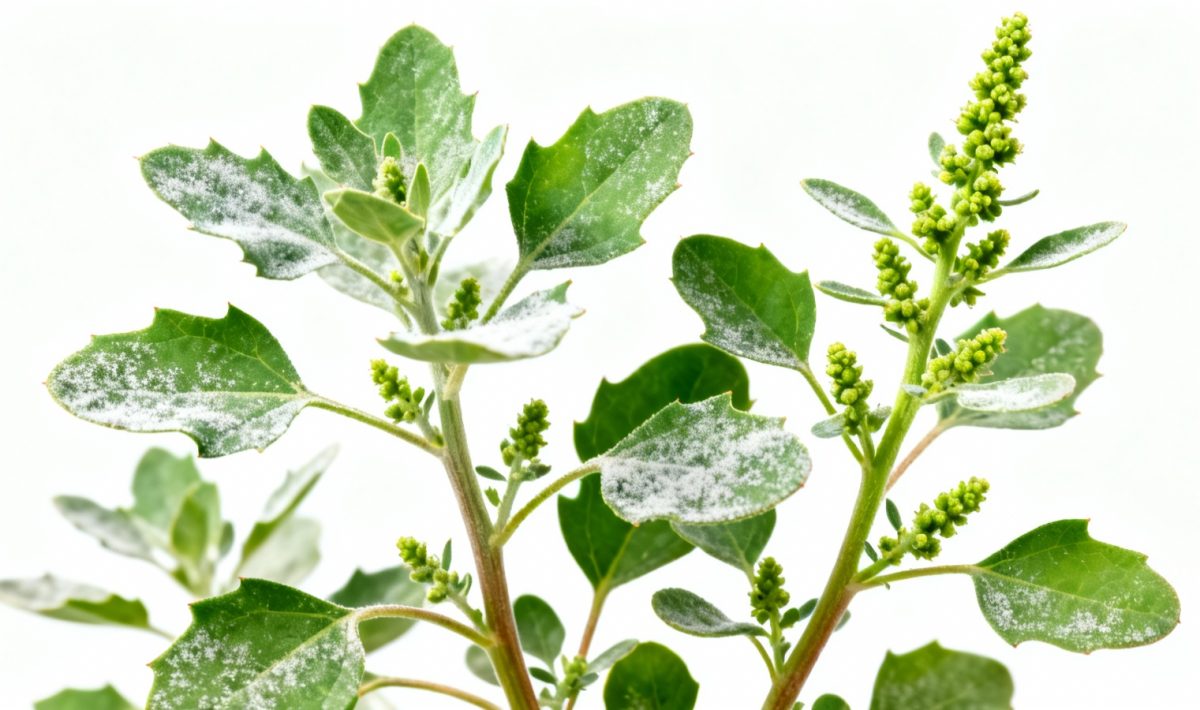
Understanding lambsquarters – Chenopodium album characteristics
The lambsquarters, scientifically known as Chenopodium album, stands as one of the most versatile plants you’ll encounter in gardens and wild spaces. This remarkable species belongs to the goosefoot family and displays fascinating adaptability across various climates and soil conditions.
This annual herbaceous plant typically reaches heights between 15 centimeters and one meter, depending on growing conditions. The distinctive blue-green stems feature characteristic red or violet spots that make identification straightforward. What’s particularly striking about this chenopodium species is its variable leaf shape, ranging from triangular to diamond-shaped or lance-like formations.
The leaves themselves measure between 2 and 14 centimeters long, with a width spanning 1 to 6 centimeters. Their most notable feature is the greyish, floury appearance on the underside, giving the plant its distinctive farinaceous quality. This white coating becomes more pronounced in nutrient-rich soils where the plant thrives.
Botanical classification and varieties
The genus Chenopodium encompasses numerous species, but album stands out for its widespread distribution and cultural significance. Research has identified several varieties within this species, each adapted to specific environmental conditions and geographical regions.
The plant produces two distinct types of seeds that showcase its adaptive nature. The majority are small, round, black seeds, while a smaller percentage develops as brown, elongated grains. This seed diversity helps ensure successful propagation across different seasons and conditions.
From July to October, tiny green flowers appear in dense, farinaceous clusters. These inconspicuous blooms eventually develop into the seed heads that make this plant so prolific in its reproduction cycle.
Cultivation requirements and growing conditions
Successfully growing lambsquarters requires understanding its preferences for soil and environmental conditions. This adaptable plant shows remarkable tolerance for various growing situations, making it accessible for gardeners of different experience levels.
The species thrives in nutrient-rich soils with good drainage capabilities. While it tolerates a wide pH range, slightly alkaline conditions often produce the most vigorous growth. The plant demonstrates exceptional ability to extract nutrients from the soil, sometimes outcompeting other species in the same area.
Water requirements remain moderate throughout the growing season. Unlike many garden plants that need consistent moisture, lambsquarters can withstand periods of drought once established. However, regular watering during the initial growth stages promotes better leaf development and overall plant health.
Light and spacing considerations
This chenopodium species performs well in full sun to partial shade conditions. Direct sunlight encourages more compact growth and intensifies the characteristic floury coating on leaves. In shadier locations, plants tend to grow taller with slightly larger leaves.
When planning cultivation, consider spacing plants approximately 15 to 20 centimeters apart. This allows adequate air circulation while preventing overcrowding that might encourage pest issues or disease development.
The plant’s natural growth habit makes it suitable for both traditional row planting and more casual scattered seeding approaches. Many gardeners appreciate its ability to fill gaps between other crops or serve as a living mulch.
Propagation methods and timing
Propagating lambsquarters primarily occurs through seed sowing, as this annual plant completes its entire life cycle within a single growing season. The process requires minimal equipment and expertise, making it perfect for beginning gardeners.
Direct seeding works best when soil temperatures reach consistently above 10°C. In most temperate regions, this timing coincides with late spring or early summer planting windows. Seeds require light for germination, so avoid burying them too deeply in the soil.
Scatter seeds lightly over prepared soil and rake gently to ensure good soil contact. Germination typically occurs within 7 to 14 days under favorable conditions. The tiny seedlings establish quickly once temperatures stabilize.
Care and maintenance practices
Regular care involves monitoring for pest activity and ensuring adequate nutrition during peak growth periods. While generally hardy, young plants benefit from protection against strong winds that might damage tender stems.
Fertilization needs remain minimal due to the plant’s efficient nutrient uptake abilities. In fact, overly rich soils can sometimes produce excessive vegetative growth at the expense of seed production. A balanced approach works best for most growing situations.
For those interested in expanding their plant knowledge, you might learn about oleander care and characteristics, which offers contrast to lambsquarters’ simple requirements. Weeding around young plants helps prevent competition, though mature specimens usually outcompete most weeds naturally.
Harvesting and utilization
The timing of harvest depends on your intended use for the plant material. Young leaves offer the best culinary qualities when picked before the plant reaches full maturity. These tender greens provide excellent nutritional value and mild flavor profiles.
Seed collection requires patience as the plant must complete its flowering and seed-setting cycle. The seeds become ready for harvest when they easily separate from the dried flower heads, typically in late autumn.
Many gardeners find value in allowing some plants to self-seed naturally while harvesting others for immediate use. This strategy ensures continued presence in the garden while providing harvestable material throughout the season.
Nutritional and practical applications
The leaves contain significant amounts of vitamins A and C, along with various minerals that make them valuable additions to diverse diets. Traditional uses span both culinary and medicinal applications across different cultures worldwide.
Seeds can be processed into flour or used whole in various recipes. Their mild, nutty flavor complements many dishes while providing protein and essential fatty acids. Storage of properly dried seeds extends their usability for several years.
Gardeners seeking variety in their plantings might explore cucumber growing and care tips as a complement to lambsquarters cultivation. The plant’s adaptability makes it valuable for sustainable gardening practices, often serving as a indicator species for soil health and fertility levels.
Management and ecological considerations
Understanding lambsquarters’ ecological role helps inform management decisions in both cultivated and wild settings. This species serves as food for various insects and birds while contributing to soil improvement through its deep taproot system.
In agricultural contexts, the plant can become competitive with crops if left unmanaged. However, controlled cultivation allows harvesting benefits while preventing unwanted spread. Regular harvesting of leaves and flower heads before seed set helps maintain population control.
The species demonstrates remarkable resilience across different climate zones and soil types. This adaptability, while beneficial for cultivation, also explains its widespread distribution as both a cultivated and naturalized plant.
Those working with container plants might discover how to care for Birkin for indoor growing alternatives. Environmental management involves balancing the plant’s beneficial qualities with preventing excessive self-seeding in sensitive areas.
Understanding seasonal growth patterns helps predict when intervention might be necessary. The plant’s annual nature means that management decisions made in one season significantly impact the following year’s population dynamics.
For gardeners interested in diverse plant species, learning to find tips for caring for Monstera obliqua provides contrast to outdoor annual cultivation. Success with lambsquarters often depends on working with rather than against its natural tendencies.
Long-term cultivation strategies should consider the plant’s role in crop rotation systems and its potential benefits for soil improvement. Many experienced gardeners integrate controlled lambsquarters cultivation into broader sustainability practices.
Finally, those seeking to expand their tree knowledge might understand southern magnolia care and growth requirements for complementary landscape planning. The key to successful lambsquarters management lies in understanding its growth patterns and responding appropriately to local conditions.

Allan is a lifelong gardening enthusiast who still gets excited when the first seedlings pop up in spring. With a deep love for nature and a hands-in-the-soil approach, he shares practical tips, plant discoveries, and clever tricks picked up over years of digging, planting, and observing. Whether you’re a new gardener or have a shed full of tools, Allan writes like a neighbor who’s always happy to swap cuttings and stories over the fence.
You can find more about Allan’s work on Malt or connect with him on LinkedIn.


