
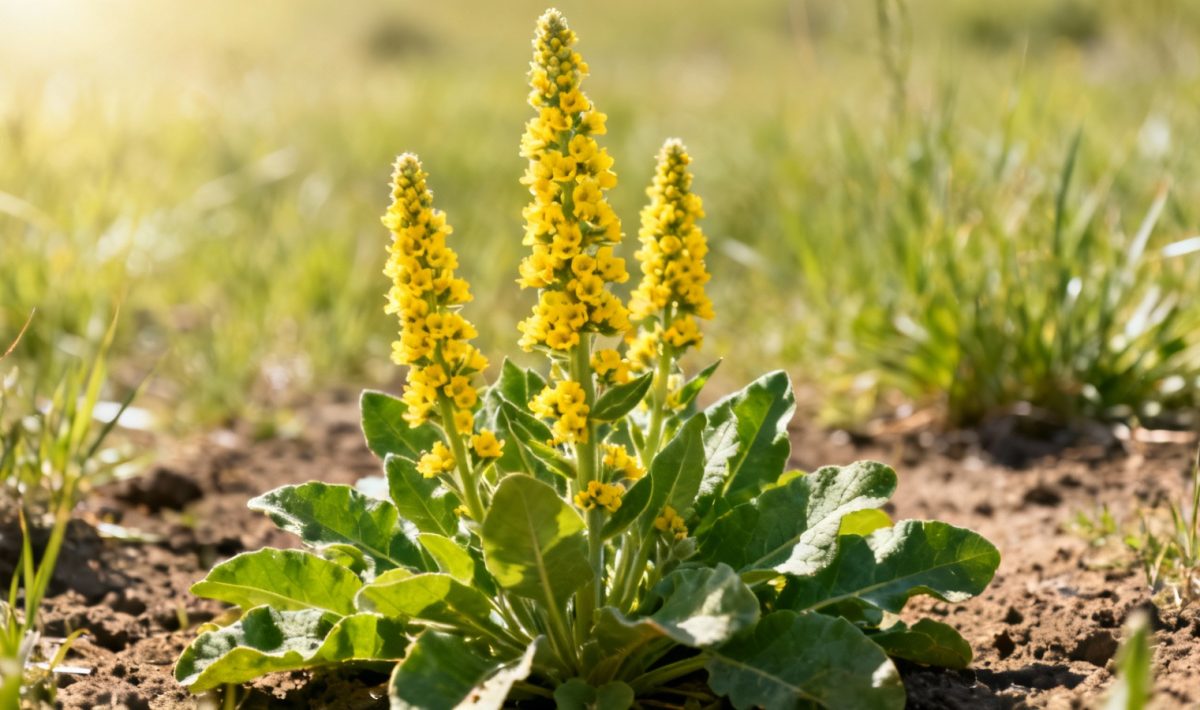
Common mullein (Verbascum thapsus) is one of those perfect plants that gardeners and herbalists absolutely love to grow. This remarkable plant will thrive with the right amount of sunlight, creating those stunning tall flower spikes that are so prized for their medicinal properties. Whether you’re planning to buy seeds or already have some plants growing, understanding how much sunlight does common mullein need is essential for success.
Understanding mullein’s natural sunlight preferences
Mullein naturally grows in open, sunny environments like roadsides, abandoned fields, and disturbed soils. This tells us everything we need to know about its light requirements. The plant evolved to be a sun-loving species that simply cannot tolerate shade.
For optimal growth, common mullein needs at least 6-8 hours of direct sunlight daily. You’ll always get the best results when you provide full sun exposure throughout the growing season. This intensive light requirement ensures proper photosynthesis and helps the plant develop those characteristic fuzzy leaves and impressive flower stalks.
The relationship between sunlight and mullein is quite fascinating. Without adequate light, the plant becomes weak and struggles to produce the compounds that make it so valuable for herbal medicine. This is why many growers who buy quality mullein seeds specifically choose the sunniest spots in their gardens.
Critical sunlight needs during germination
Here’s something many gardeners don’t realize: mullein seeds are particularly sensitive to light during germination. Research has shown that these tiny seeds need light exposure to trigger successful sprouting.
When you’re starting from seeds, make sure they receive bright light for at least 8 hours per day. This light dependency is why mullein naturally colonizes disturbed, open ground rather than shaded forest floors. The seeds will simply refuse to germinate in dark conditions.
For those considering where to buy their starting materials, look for suppliers who provide fresh seeds with high germination rates. The shipping and delivery of quality seeds makes all the difference in your success rate.
Comparing mullein with other sun-loving plants
Just as with other light-demanding plants, mullein shares similar requirements with many garden favorites. For instance, when examining sunlight requirements for passionfruit plants, you’ll notice both species demand full sun exposure for optimal development.
Similarly, understanding optimal sunlight for dogwood trees can help you plan your garden layout effectively. Many successful growers also cultivate juniper sunlight needs for growth alongside their medicinal herbs.
Another excellent companion plant that shares similar light requirements is milkweed and its sunlight requirements, which creates a perfect ecosystem for beneficial insects.
Maximizing sunlight for better yields
To get the most from your mullein plants, consider these practical strategies. First, choose locations that receive morning through late afternoon sun. Southern or southwestern exposures are typically perfect for this purpose.
Remove any obstacles that might create shade during peak growing hours. This includes pruning nearby trees or relocating other plants that might block sunlight. Remember, even partial shade can significantly reduce the plant’s medicinal potency.
Position your mullein plants with adequate spacing. Overcrowding leads to competition for light and reduces overall plant vigor. Give each plant at least 2-3 feet of space for optimal sun exposure.
Soil and sunlight: the perfect combination
While sunlight is crucial, mullein also thrives in well-draining, sandy soils that complement its light requirements. These soil conditions are typically found in sunny locations, making them ideal for verbascum cultivation.
Poor, rocky soils actually work well for mullein, as long as drainage is excellent. The plant doesn’t need rich, fertile ground – it’s more concerned with having that consistent, bright sunlight throughout the day.
This combination of full sun and well-draining soil creates the stress conditions that actually enhance the plant’s production of beneficial compounds. It’s why wild mullein found in challenging, sunny environments often has the strongest medicinal properties.
Signs your mullein needs more light
Watch for these telltale signs that indicate insufficient sunlight. Weak, spindly growth is the first indicator, followed by pale green leaves instead of the normal silvery-green color. The characteristic fuzzy texture may also be less pronounced.
Flower stalks that are short or fail to develop properly signal inadequate light exposure. You might also notice delayed flowering or reduced seed production, which affects your ability to harvest for future plantings.
If you notice these symptoms, consider relocating your plants to a sunnier spot. Young plants can often be successfully transplanted to areas with better light exposure.
Seasonal considerations for mullein sunlight
Throughout the growing season, mullein’s light needs remain consistently high. From spring emergence through fall seed production, maintaining that 6-8 hour minimum is essential for healthy development.
During the critical first year when mullein forms its basal rosette, adequate sunlight ensures the plant stores enough energy for the spectacular second-year flowering display. This is particularly important if you’re growing mullein for its dried leaves or flowers.
Winter sunlight is less critical since the plant goes dormant, but choosing locations with good year-round sun exposure helps with spring emergence and overall plant vitality.
Frequently asked questions about mullein and sunlight
Can mullein tolerate partial shade?
While mullein might survive in partial shade, it won’t thrive. You’ll get weak plants with poor flowering and reduced medicinal value. For best results, always choose full sun locations.
How do I know if my mullein is getting enough light?
Healthy mullein plants have robust, silvery-green leaves and strong, upright growth. They’ll produce tall flower spikes in their second year with abundant yellow blooms.
What time of day is most important for sunlight?
Morning and midday sun are most crucial for mullein. These hours provide the intense light needed for optimal photosynthesis and plant development.
Understanding how much sunlight common mullein needs sets you up for gardening success. With proper full sun exposure, good drainage, and quality starting materials, you’ll be rewarded with healthy, productive plants that provide excellent herbal medicine for years to come. Whether you’re buying your first seeds or expanding an existing patch, remember that sunlight is your mullein’s best friend.

Allan is a lifelong gardening enthusiast who still gets excited when the first seedlings pop up in spring. With a deep love for nature and a hands-in-the-soil approach, he shares practical tips, plant discoveries, and clever tricks picked up over years of digging, planting, and observing. Whether you’re a new gardener or have a shed full of tools, Allan writes like a neighbor who’s always happy to swap cuttings and stories over the fence.
You can find more about Allan’s work on Malt or connect with him on LinkedIn.


