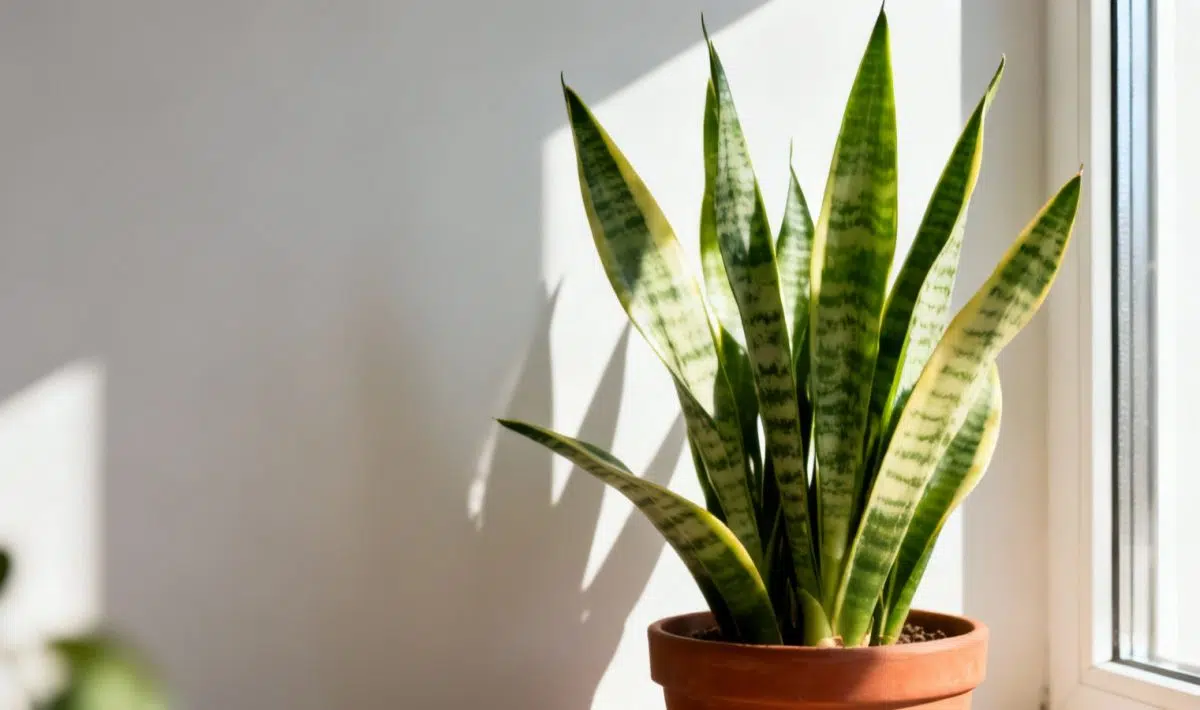
How much sunlight does snake plant need for optimal growth
Snake plants are beloved for their striking appearance and remarkable adaptability to different lighting conditions. Understanding how much sunlight your snake plant needs is crucial for maintaining a healthy, thriving plant that will grace your home for years to come.
Snake plants prefer bright, indirect light for optimal growth. However, these resilient plants can tolerate a wide range of lighting conditions, from low light environments to occasional direct sunlight. The key is finding the right balance that promotes healthy growth without causing stress to your plant.
When you place your snake plant in bright indirect light, you’ll notice more vigorous growth and vibrant coloration. This type of lighting mimics their natural habitat conditions, where they grow under the canopy of larger plants that filter harsh sunlight.
Direct vs indirect light explained
Direct light means the sun’s rays hit your plant without any obstruction, which can be too intense for snake plants. Indirect light, on the other hand, is filtered or reflected light that provides illumination without the harshness of direct sun exposure. You can achieve this by placing your plant near a window with sheer curtains or positioning it a few feet away from a bright window.
Understanding this distinction helps you create the perfect environment for your plant to flourish. Many indoor gardeners make the mistake of assuming that more light always equals better growth, but snake plants actually prefer the gentle, consistent illumination that indirect light provides.
Optimal lighting conditions for snake plants
The best spot for your snake plant is near a window that receives bright, filtered light throughout the day. East or west-facing windows work exceptionally well, as they provide good illumination without the intense midday sun that south-facing windows can deliver.
Your snake plant will thrive when it receives approximately 4 to 8 hours of bright indirect light daily. This duration gives the plant enough energy for photosynthesis while preventing the leaf burn that can occur with too much direct sun exposure.
Low light tolerance
One of the most appealing aspects of snake plants is their ability to survive in low light conditions. While they won’t grow as quickly in dimmer areas, they can maintain their health and appearance even in spaces that would challenge other houseplants. This makes them perfect for offices, bathrooms, or rooms with limited natural light.
In low light situations, your snake plant’s growth will slow down significantly, and you may notice the leaves becoming darker green as they adapt to make the most of available light. This is completely normal and doesn’t indicate any health problems with your plant.
Window placement strategies
When positioning your snake plant near a window, consider the seasonal changes in light intensity and duration. During summer months, you might need to move your plant slightly further from south-facing windows to prevent leaf scorch. In winter, you can often place it closer to the window to compensate for reduced daylight hours.
A good rule of thumb is to keep your snake plant within 3 to 5 feet of a bright window. This distance provides ample light while protecting the plant from potentially damaging direct rays, especially during peak sun hours.
Adjusting light conditions for better growth
Sometimes you’ll need to make adjustments to optimize your snake plant’s lighting conditions. If you notice slow growth or pale coloration, your plant might benefit from brighter light. Conversely, if you see brown, crispy leaf edges, it could be receiving too much direct sun.
Moving your plant is often the simplest solution. Try different locations in your home to find the spot where your snake plant looks healthiest and shows signs of steady growth. Remember that it may take several weeks for your plant to adjust to new lighting conditions.
Using grow lights effectively
For spaces with insufficient natural light, LED grow lights can supplement your snake plant’s lighting needs. Place the grow light 12 to 24 inches above your plant and run it for 6 to 8 hours daily. This artificial lighting can help maintain healthy growth in darker areas of your home.
Modern LED grow lights are energy-efficient and produce less heat than traditional options, making them safe for use near your plants. Just like with other indoor plants that have specific light requirements, such as understanding sunlight requirements for spider plants, choosing the right artificial lighting can make a significant difference in plant health.
Rotating plants for uniform growth
To ensure even growth and prevent your snake plant from leaning toward the light source, rotate it a quarter turn every few weeks. This simple practice helps all sides of the plant receive equal light exposure, promoting balanced development and maintaining an attractive, upright appearance.
Regular rotation also helps you inspect your plant from all angles, allowing you to spot any potential issues early and address them before they become serious problems.
Complementary care factors
While light is crucial, other environmental factors work together with proper illumination to keep your snake plant healthy. Soil drainage, watering frequency, and humidity levels all interact with light conditions to influence your plant’s overall well-being.
Well-draining soil is essential because snake plants prefer to dry out between waterings. When combined with appropriate lighting, proper drainage helps prevent root rot and other moisture-related issues that can compromise plant health.
Watering and light relationship
Plants in brighter light typically need more frequent watering because they’re actively growing and using more water. Conversely, snake plants in low light conditions require less frequent watering since their growth slows down and they use less moisture.
Monitor your plant’s soil moisture levels and adjust your watering schedule based on the lighting conditions in your home. This approach ensures you’re providing the right amount of water for your plant’s current light exposure and growth rate.
Similar to how different plants have varying needs – like learning arrowhead plant’s sunlight needs or understanding lady’s thumb light requirements – snake plants require a balanced approach to care that considers all environmental factors working together.
Temperature and humidity considerations
Light conditions can affect temperature around your plant, which in turn influences growth patterns and water needs. Areas with bright light may be warmer, potentially requiring slight adjustments to your care routine.
Maintain moderate humidity levels around your snake plant, especially if it’s positioned near a sunny window where the air might be drier. You can achieve this by grouping plants together or using a humidity tray filled with water and pebbles.
Understanding these interconnected factors helps you create an environment where your snake plant can thrive, much like how different species such as selloum plant sunlight needs require specific combinations of light, water, and environmental conditions for optimal health.
Signs of proper lighting
A healthy snake plant in appropriate lighting conditions will display firm, upright leaves with vibrant green coloration and distinct patterns. New growth appears regularly during the growing season, and the plant maintains its structural integrity without becoming leggy or pale.
Watch for these positive indicators that your lighting setup is working well: steady growth during spring and summer months, maintenance of the plant’s natural coloration, and absence of brown or crispy leaf edges that could indicate too much direct sun exposure.
By providing the right amount of bright, indirect light and adjusting other care factors accordingly, your snake plant will reward you with years of low-maintenance beauty and air-purifying benefits in your home.
Allan is a lifelong gardening enthusiast who still gets excited when the first seedlings pop up in spring. With a deep love for nature and a hands-in-the-soil approach, he shares practical tips, plant discoveries, and clever tricks picked up over years of digging, planting, and observing. Whether you’re a new gardener or have a shed full of tools, Allan writes like a neighbor who’s always happy to swap cuttings and stories over the fence.
You can find more about Allan’s work on Malt or connect with him on LinkedIn.