
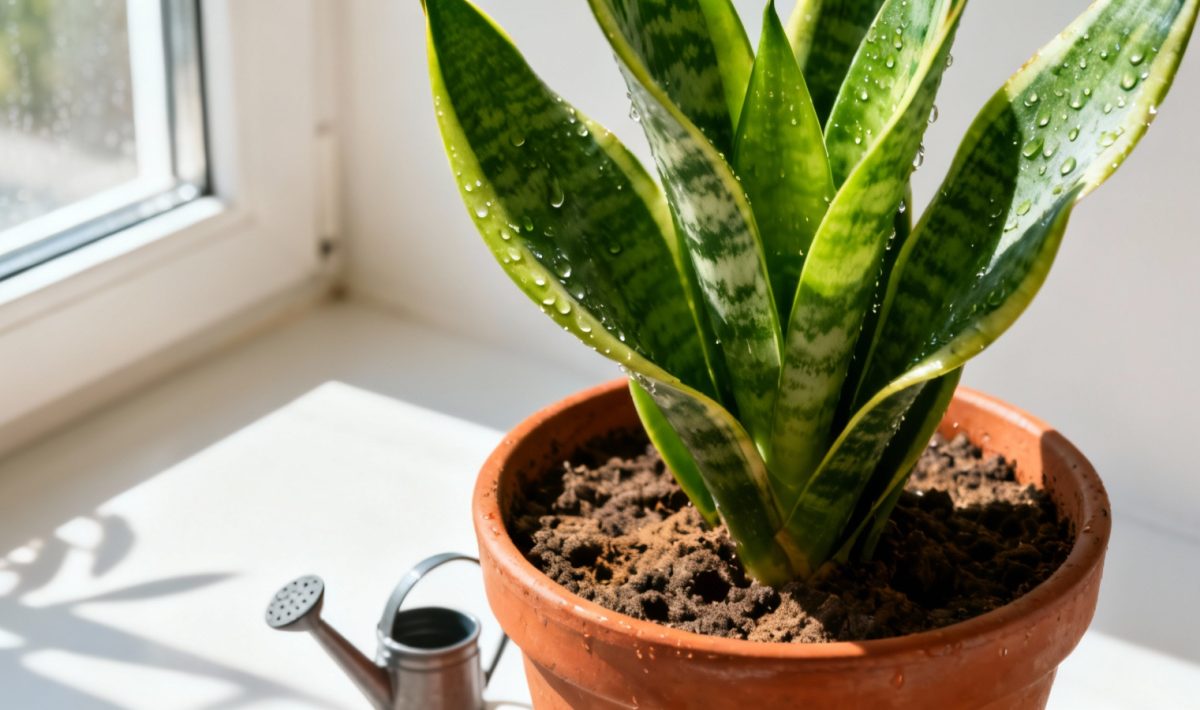
Understanding snake plant watering needs
Snake plants are remarkable succulents that have earned their reputation as one of the most forgiving houseplants you can grow. These resilient plants store water in their thick, fleshy leaves, which means they can survive extended periods without watering. However, understanding how often should you water your snake plant is crucial for maintaining healthy growth and preventing common problems like root rot.
The key to successful snake plant care lies in mimicking their natural desert habitat. In the wild, these plants experience long dry periods followed by occasional heavy rainfall. Your watering schedule should reflect this pattern, allowing the soil to dry out completely between waterings.
Optimal watering frequency for snake plants
Most snake plants thrive when watered every 2-3 weeks during their active growing season in spring and summer. However, this frequency can vary significantly based on your specific growing conditions. During winter months, you may only need to water once every 4-6 weeks as the plant enters dormancy and growth slows considerably.
The golden rule is to check the soil moisture before reaching for your watering can. Insert your finger about 2-3 inches into the soil – if it feels dry at this depth, it’s time to water. For those who prefer precision, you can use a moisture meter to get accurate readings of soil moisture levels.
Similar to how you would approach watering your nerve plant effectively, consistency in monitoring soil conditions is essential for plant health.
Seasonal watering adjustments
Your snake plant’s water requirements change dramatically with the seasons. During spring and summer, when temperatures are higher and light levels increase, your plant will use water more quickly. This is when you’ll likely water every 2-3 weeks, depending on your home’s humidity levels and the size of your pot.
Winter brings different challenges, as indoor heating can create dry conditions while reduced daylight slows plant metabolism. You might find yourself watering only once a month during these cooler months. Always let the plant guide you rather than sticking rigidly to a calendar schedule.
Factors that influence watering frequency
Several environmental factors directly impact how often you’ll need to water your snake plant. Light exposure plays a crucial role – plants near a bright window will dry out faster than those in low-light corners. Temperature and humidity levels in your home also affect water uptake, with warmer, drier conditions requiring more frequent watering.
The type of pot and soil you use makes a significant difference too. Terra cotta pots allow moisture to evaporate through their porous walls, meaning you’ll water more often than with plastic containers. Well-draining soil mixes designed for succulents will dry out faster than standard potting soil, which is actually beneficial for preventing waterlogged conditions.
Light conditions and water needs
Snake plants are incredibly adaptable when it comes to lighting, but their water requirements change based on light exposure. Plants receiving bright, indirect light will photosynthesize more actively and therefore use water faster. If your snake plant sits near a window where it gets several hours of filtered sunlight, you might need to water every 2 weeks during growing season.
Conversely, snake plants in low-light areas like hallways or corners may only need watering every 3-4 weeks. These plants grow more slowly and use less water, so they can actually suffer from overwatering if you maintain the same schedule as plants in brighter locations.
Just as optimal watering for your weeping fig depends on light conditions, your snake plant’s placement will determine its specific water needs.
Common watering mistakes to avoid
Overwatering is by far the most common mistake snake plant owners make. These plants are designed to withstand drought, not constant moisture. When soil remains soggy, the roots cannot breathe properly and begin to rot, leading to yellowing leaves and eventual plant death.
Signs of overwatering include soft, mushy leaves, yellowing from the base upward, and a foul smell from the soil. If you notice these symptoms, stop watering immediately and check the roots for black or brown rot. Healthy roots should be white or light-colored and firm to the touch.
Underwatering concerns
While snake plants are drought-tolerant, severe underwatering can still cause problems. Leaves may become wrinkled, lose their vibrant color, or develop brown tips. However, it’s worth noting that these plants can survive months without water, so underwatering is less common than overwatering.
The beauty of snake plants lies in their resilience – they’ll forgive you for forgetting to water occasionally, but they won’t tolerate wet feet for extended periods.
Proper watering technique
When it’s time to water your snake plant, do it thoroughly. Pour water slowly around the base of the plant until you see it draining from the holes at the bottom of the pot. This ensures that water reaches all parts of the root system and helps flush out any accumulated salts from fertilizers.
Always use pots with drainage holes – this cannot be overstated. Without proper drainage, even the most careful watering schedule can lead to root rot. After watering, empty any excess water that collects in saucers or decorative covers within an hour or two.
Much like healthy growth of pin stripe plants requires attention to drainage, your snake plant will thrive when excess water can escape freely.
Water quality considerations
Snake plants aren’t particularly fussy about water quality, but they do best with room temperature water that’s been allowed to sit overnight. This allows chlorine to evaporate and brings the water to a comfortable temperature that won’t shock the roots.
If you have very hard water, consider using filtered or distilled water occasionally, as mineral buildup can affect soil pH over time. However, most snake plants will tolerate tap water just fine with regular care.
Monitoring your plant’s health
Learning to read your snake plant’s signals is key to developing the right watering routine. Healthy snake plants have firm, upright leaves with vibrant green coloration and distinct patterns. The soil should feel dry to the touch before watering, and new growth may appear during the active growing season.
Keep a simple watering log if you’re just starting out – note the date you water and any observations about soil moisture or plant appearance. Over time, you’ll develop an intuitive sense of when your specific plant needs water based on your home’s unique conditions.
Remember that different plants in your collection may have varying needs. For instance, keeping your spearmint plants thriving requires more frequent watering than your drought-loving snake plants.
By understanding these principles and observing your plant closely, you’ll develop the confidence to provide exactly the right amount of water for healthy, thriving snake plants that will grace your home for years to come.

Allan is a lifelong gardening enthusiast who still gets excited when the first seedlings pop up in spring. With a deep love for nature and a hands-in-the-soil approach, he shares practical tips, plant discoveries, and clever tricks picked up over years of digging, planting, and observing. Whether you’re a new gardener or have a shed full of tools, Allan writes like a neighbor who’s always happy to swap cuttings and stories over the fence.
You can find more about Allan’s work on Malt or connect with him on LinkedIn.


