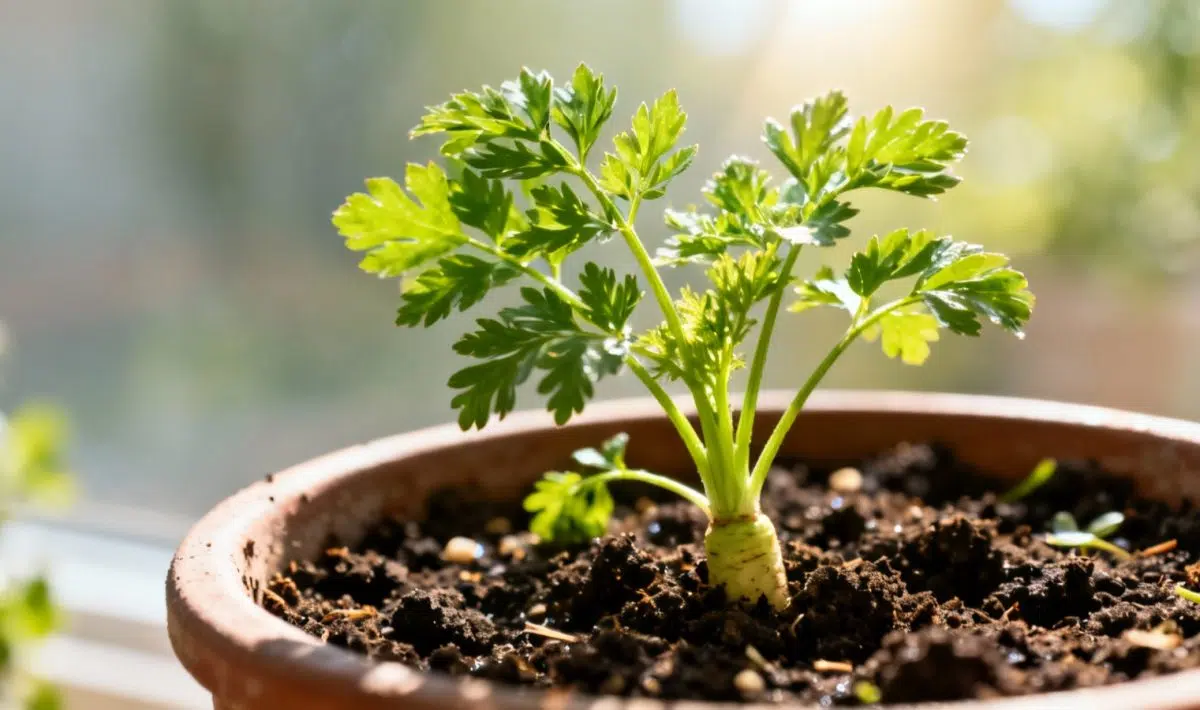
How often should you water your wild carrot for healthy growth and maximum benefits
Growing wild carrots successfully comes down to understanding their specific water needs. These hardy plants, scientifically known as Daucus carota, are packed with nutritional benefits and can thrive in your garden with the right watering approach. Today, let’s explore how often should you water your wild carrot to ensure healthy growth and maximize their natural properties.
Wild carrots are quite different from their domesticated cousins, and their watering needs reflect this unique nature. These plants typically require around 350mm of water per growing cycle, which translates to approximately 350 liters per square meter. The key is distributing this water appropriately throughout their development stages.
During the initial growth phase, wild carrots need consistent moisture to establish their root systems. For optimal results, you should water them daily or every two days, providing about 2-3mm of water per session. In hot weather conditions, this amount may need to increase to 5-6mm daily to prevent stress.
The frequency will depend heavily on your soil type and local climate conditions. Sandy soils drain quickly and may require more frequent watering, while clay soils retain moisture longer. You’ll need to adjust your schedule accordingly to maintain consistent soil moisture without waterlogging.
Seasonal watering patterns for wild carrots
Spring marks the beginning of your wild carrot watering routine. During germination, which takes 8-20 days, maintaining soil moisture is crucial for successful establishment. The soil should feel consistently damp but never soggy. This is similar to watering frequency for common bugle, where consistent moisture during early growth phases ensures strong development.
Summer brings the most intensive watering period, especially from July through September. Wild carrots are actively developing their root systems during this time, and water stress can cause root cracking or poor development. You may need to water daily in hot climates or every other day in more moderate conditions.
Fall watering should gradually decrease as the plants prepare for dormancy. However, don’t stop completely – wild carrots still need some moisture to maintain their root quality until harvest time.
Growth stage specific watering
From seedling to the “crayon” stage (1-2 true leaves), wild carrots need approximately 20mm of water with more spaced but deeper watering sessions. This encourages deeper root development, which is essential for the plant’s long-term health.
During the root thickening phase, maintain regular watering but avoid overwatering. The goal is to keep the soil evenly moist at a depth of 6-8 inches. You can test this by inserting your finger into the soil – if it feels dry at knuckle depth, it’s time to water.
Best practices for watering wild carrots
Early morning watering works best for wild carrots, allowing the plants to absorb moisture before the day’s heat. This timing also reduces evaporation losses and helps prevent fungal diseases that can develop when foliage stays wet overnight.
Use a gentle watering method to avoid disturbing the soil around developing roots. A soaker hose or drip irrigation system provides steady, controlled water delivery. If you’re hand-watering, use a watering can with a fine rose attachment or a hose with a gentle spray setting.
Water at the base of the plants rather than overhead. This approach keeps water where it’s needed most while reducing leaf moisture that can lead to disease problems. Just as with ideal watering schedule for wax begonias, targeted watering at soil level promotes healthier growth.
Container vs. ground growing
Wild carrots grown in containers will need more frequent watering than those planted directly in the ground. Container soil dries out faster, so you may need to water daily during warm weather. Check containers twice daily during hot spells to ensure adequate moisture levels.
For ground plantings, the surrounding soil acts as a moisture reservoir, requiring less frequent but deeper watering sessions. Focus on encouraging deep root growth by watering thoroughly but less often, typically every 2-3 days depending on weather conditions.
Signs your wild carrots need water
Learning to read your plants’ signals will help you perfect your watering schedule. Wild carrot leaves may appear slightly wilted or lose their vibrant green color when water-stressed. However, don’t wait for these obvious signs – prevention is always better than correction.
The soil surface test is your most reliable indicator. If the top inch of soil feels dry to the touch, it’s time to water. For deeper insight, use a soil moisture meter or simply push a finger 2-3 inches into the soil near the plants.
Yellow or brown leaf edges often indicate either overwatering or underwatering. Overwatered plants may develop root rot, while underwatered ones will have stunted growth and poor root development. Finding the right balance takes practice but becomes intuitive with experience.
Maximizing nutritional benefits through proper watering
Consistent watering directly impacts the nutritional quality of your wild carrots. Plants that experience water stress often concentrate their nutrients differently, sometimes resulting in bitter flavors or reduced vitamin content. Regular moisture promotes steady nutrient uptake and development.
Wild carrots are rich in beta-carotene, vitamins, and antioxidants. These compounds develop optimally when plants receive steady water throughout their growing period. Inconsistent watering can lead to uneven nutrient distribution within the roots.
For gardeners interested in similar moisture-loving plants, understanding watering tips for ghost plants can provide additional insights into maintaining optimal growing conditions for different plant species.
Troubleshooting common watering problems
Overwatering is just as problematic as underwatering for wild carrots. Signs include yellowing leaves, soft or mushy roots, and a generally unhealthy appearance. If you notice these symptoms, reduce watering frequency and improve soil drainage if necessary.
Split or cracked roots often result from irregular watering patterns. When dry soil suddenly receives large amounts of water, the rapid uptake can cause the roots to expand too quickly, leading to splitting. Maintain consistent moisture levels to prevent this issue.
Poor germination rates frequently stem from inadequate watering during the critical seedling stage. Seeds need constant moisture to break dormancy and establish roots. Even brief dry periods can significantly reduce germination success.
Soil preparation for optimal water retention
Well-draining soil with good organic matter content holds moisture effectively without becoming waterlogged. Add compost or well-rotted organic matter to improve both drainage and water retention capacity. This creates the ideal growing medium for wild carrots.
Consider mulching around your wild carrot plants to help retain soil moisture and reduce watering frequency. Organic mulches like straw or shredded leaves work well, keeping the soil consistently moist while suppressing weeds that compete for water.
For those dealing with extreme heat conditions, learning from best watering practices for tomatoes during challenging weather can provide valuable strategies applicable to wild carrot cultivation.
Advanced watering techniques and tools
Drip irrigation systems offer the most efficient way to water wild carrots consistently. These systems deliver water directly to the root zone at controlled rates, minimizing waste while ensuring plants receive adequate moisture. You can set timers to automate the process, making care easier during busy periods.
Soil moisture sensors take the guesswork out of watering decisions. These devices provide real-time soil moisture readings, helping you maintain optimal conditions without over or under-watering. They’re particularly useful for container-grown wild carrots where moisture levels fluctuate more rapidly.
Rain gauges help you track natural precipitation and adjust your watering schedule accordingly. Wild carrots can utilize rainwater effectively, so you may be able to skip scheduled watering sessions after significant rainfall.
Successfully growing wild carrots requires attention to their specific watering needs throughout the growing season. By providing consistent moisture during critical growth phases, monitoring soil conditions regularly, and adjusting your approach based on weather and plant signals, you’ll cultivate healthy plants with maximum nutritional benefits. Remember that patience and observation are your best tools for developing the perfect watering routine for your wild carrot garden.
Allan is a lifelong gardening enthusiast who still gets excited when the first seedlings pop up in spring. With a deep love for nature and a hands-in-the-soil approach, he shares practical tips, plant discoveries, and clever tricks picked up over years of digging, planting, and observing. Whether you’re a new gardener or have a shed full of tools, Allan writes like a neighbor who’s always happy to swap cuttings and stories over the fence.
You can find more about Allan’s work on Malt or connect with him on LinkedIn.