
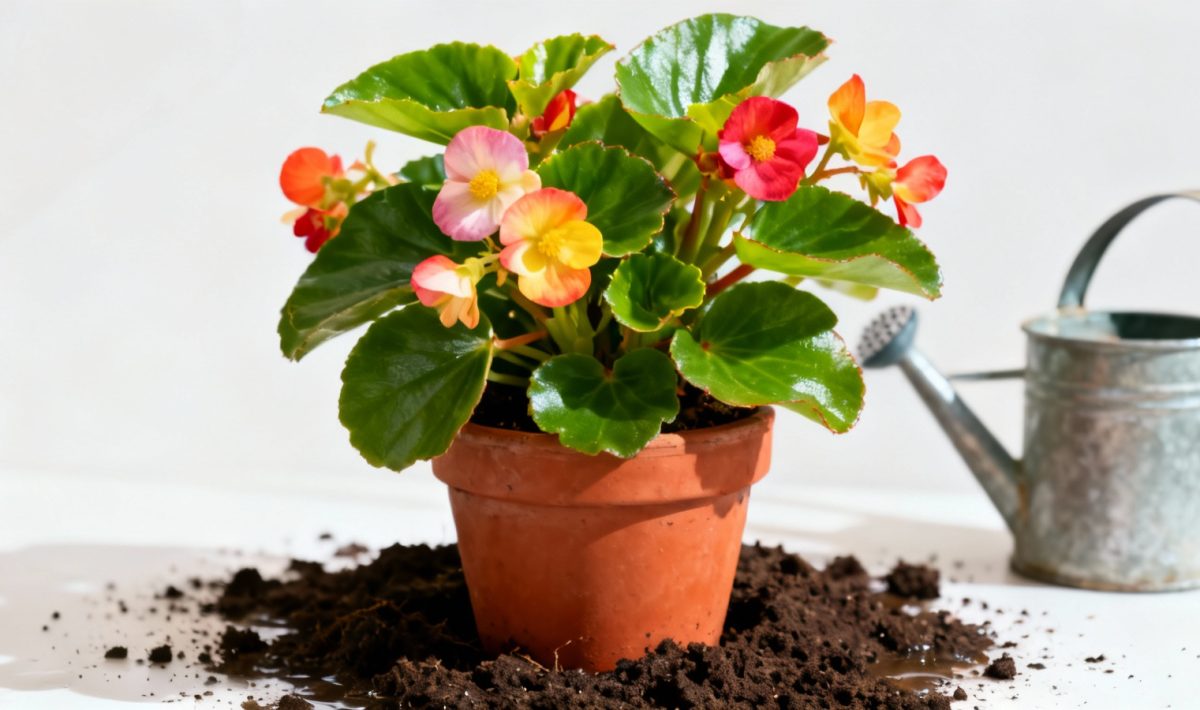
Caring for wax begonias brings such joy when you see their vibrant flowers blooming year-round. These charming plants with their thick, waxy foliage are surprisingly forgiving, but getting the watering right makes all the difference for healthy growth. How often should you water your wax begonia? The answer depends on several factors, but generally, watering once or twice per week works best for most situations.
Understanding your wax begonia’s water needs
Wax begonias are quite different from other flowering plants when it comes to watering requirements. Their thick leaves store moisture efficiently, which means they don’t need constant water like some other species. The key is maintaining consistent soil moisture without creating soggy conditions that can lead to root rot.
These plants prefer soil that dries out slightly between watering sessions. When you water, do it thoroughly until water drains from the bottom of the pot. This approach encourages healthy root development and prevents the fungal issues that plague overwatered begonias.
Temperature plays a crucial role in determining watering frequency. During hot summer months, you might need to water every day or two, especially for plants in bright indirect light. Cooler weather naturally reduces water consumption, so adjust your schedule accordingly.
How to check soil moisture properly
The finger test remains the most reliable method for checking soil moisture. Insert your finger about one to two inches into the soil around your plant. If the top layer feels dry but you detect moisture below, it’s time to water. When the soil feels completely dry at this depth, your begonia definitely needs water.
Some experienced gardeners use moisture meters for more precise readings. These tools can be particularly helpful when you’re caring for multiple plants or learning to read your begonia’s specific needs. However, the finger test works perfectly well for most home gardeners.
Different pot sizes affect how quickly soil dries out. Smaller containers dry faster than larger ones, so plants in compact pots may need water more frequently. Similarly, plants in terracotta pots typically require more frequent watering than those in plastic containers, since clay is porous and allows moisture to evaporate.
Signs your plant needs water
Wax begonias communicate their water needs through various visual cues. Slightly wilted leaves often indicate it’s time for a drink, though you should check the soil first to confirm. The foliage may appear less vibrant or lose some of its usual thickness when the plant needs water.
Flowers might also droop slightly or appear less robust when water levels drop. However, don’t wait for dramatic wilting, as this stresses the plant unnecessarily. Learning to recognize early signs helps maintain consistent growth and flowering.
Seasonal watering adjustments
Spring and summer represent peak growing seasons for wax begonias. During these months, expect to water more frequently as plants actively produce new growth and flowers. The combination of warm temperatures and bright light increases water consumption significantly.
Winter brings slower growth and reduced water needs. Many gardeners reduce watering to once per week or even less during the coldest months. Indoor plants continue growing year-round but at a much slower pace, so adjust accordingly.
Humidity levels also influence watering frequency. In dry indoor environments, plants may need water more often. Creating humidity through grouping plants together or using humidity trays can help reduce watering frequency while keeping your begonias happy.
Environmental factors that matter
Light exposure directly affects how much water your plants use. Begonias in bright indirect light typically need more frequent watering than those in lower light conditions. However, these plants don’t tolerate direct sunlight well, so avoid placing them in harsh, direct rays.
Air circulation around your plants influences evaporation rates. Good airflow helps prevent fungal problems but may require slightly more frequent watering. Stagnant air can lead to moisture retention and potential disease issues.
Just like understanding the watering schedule for Angel’s-wings begonias, timing becomes crucial for wax begonia success. The size and maturity of your plant also matter – larger, more established plants generally need more water than younger ones.
Best watering practices for healthy plants
Water quality can significantly impact your begonia’s health. Room temperature water works best, as cold water can shock the roots. If possible, let tap water sit overnight to allow chlorine to dissipate, or use filtered water for sensitive plants.
Morning watering typically works best for most plants, including wax begonias. This timing allows excess moisture to evaporate during the day, reducing the risk of fungal problems. Evening watering can leave plants sitting in moisture overnight, which isn’t ideal.
When watering, aim for the soil rather than the leaves and flowers. Wet foliage can develop fungal issues, especially in humid conditions. Water slowly and thoroughly, allowing the soil to absorb moisture gradually rather than running off the surface.
Avoiding common watering mistakes
Overwatering remains the most common cause of problems with wax begonias. These plants prefer slightly dry conditions to constantly moist soil. Root rot can develop quickly in waterlogged soil, leading to yellowing leaves and eventual plant death.
Underwatering, while less common, can also stress your plants. However, wax begonias typically recover quickly from mild drought stress. Watch for wilting leaves or flowers as early warning signs that your plant needs water.
Inconsistent watering schedules can stress plants and affect flowering. While you don’t need to water on exactly the same day each week, try to maintain relatively consistent moisture levels. For gardeners dealing with extreme weather conditions, understanding watering tomatoes during hot weather can provide insights applicable to other plants.
Special considerations for different growing conditions
Container-grown wax begonias need different care than those planted in garden beds. Potted plants dry out faster and require more frequent monitoring. Ensure your containers have adequate drainage holes to prevent water from accumulating at the bottom.
Indoor plants face unique challenges, including lower humidity and artificial light. These conditions often mean more frequent watering but smaller amounts each time. Pay attention to your home’s specific environment and adjust accordingly.
Outdoor begonias benefit from natural rainfall but may need supplemental watering during dry periods. Check soil moisture regularly, especially during hot spells when evaporation rates increase dramatically.
Creating the ideal growing environment
Proper soil selection supports good watering practices. Well-draining potting mix prevents water from sitting around the roots while still retaining enough moisture for healthy growth. Most commercial potting mixes work well for wax begonias.
Fertilizing affects watering needs as well. Plants receiving regular fertilizer during the growing season may use water more quickly as they produce new growth and flowers. Similar to watering tips for Ghost plants, understanding the relationship between nutrition and water consumption helps optimize care.
Temperature control helps maintain consistent watering schedules. Extreme temperature fluctuations can stress plants and affect their water uptake. Maintaining stable growing conditions makes it easier to predict when your begonias need water.
Troubleshooting watering problems
Yellow leaves often indicate watering issues, though determining whether the problem is too much or too little water requires careful observation. Overwatered plants typically show yellowing from the bottom up, while underwatered plants may yellow sporadically.
Fungal problems frequently result from excessive moisture around the roots or on the foliage. If you notice dark spots on leaves or stems, evaluate your watering practices and improve air circulation around your plants.
Slow growth or reduced flowering can result from inconsistent watering. These plants perform best with regular, moderate moisture levels. Establishing a routine that works for your specific growing conditions takes some experimentation but pays off with healthier plants.
For indoor gardeners, learning techniques that work well for other houseplants can be beneficial. Understanding how to care for turtle vine provides insights into caring for different types of indoor plants with varying water needs.
Long-term care strategies
Developing a sustainable watering routine requires observation and adjustment over time. Keep notes about when you water and how your plants respond. This information helps you fine-tune your approach for optimal results.
Seasonal changes require flexibility in your watering schedule. What works in summer may be too much in winter, so be prepared to adapt as conditions change throughout the year.
As your plants mature, their water needs may change as well. Larger plants with more extensive root systems typically handle slight variations in moisture better than young plants. Experienced gardeners often find that practices learned from caring for other species, such as English ivy watering guidelines, can inform their approach to different plants.
Success with wax begonias comes from understanding that these resilient plants prefer consistent, moderate care rather than extreme attention. By monitoring soil moisture, adjusting for seasonal changes, and maintaining good growing conditions, you’ll enjoy healthy plants with abundant flowers throughout the growing season.

Allan is a lifelong gardening enthusiast who still gets excited when the first seedlings pop up in spring. With a deep love for nature and a hands-in-the-soil approach, he shares practical tips, plant discoveries, and clever tricks picked up over years of digging, planting, and observing. Whether you’re a new gardener or have a shed full of tools, Allan writes like a neighbor who’s always happy to swap cuttings and stories over the fence.
You can find more about Allan’s work on Malt or connect with him on LinkedIn.


