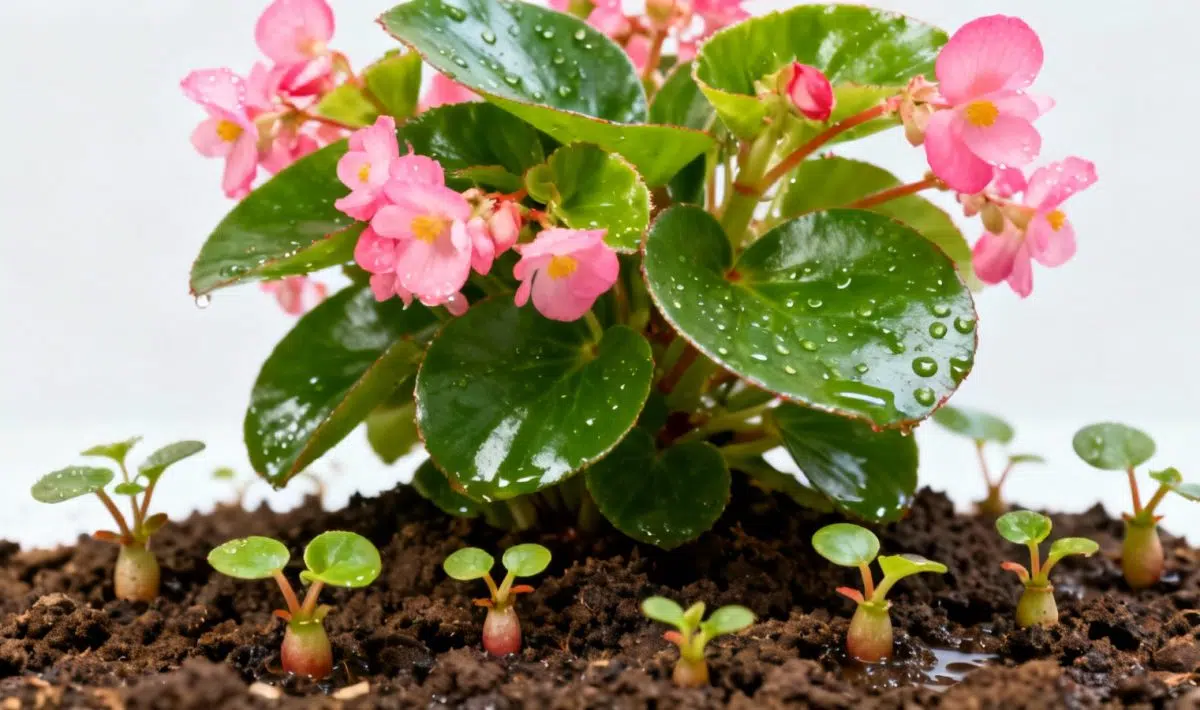
The wax begonia (Begonia cucullata) stands out as one of the most versatile flowering plants for both indoor and outdoor gardens. These compact beauties showcase glossy, waxy leaves that range from bright green to bronze-red tones, paired with delicate flowers in shades of white, pink, or red. Their self-cleaning nature means you won’t spend hours deadheading spent blooms, making them perfect for busy gardeners.
These charming plants typically reach heights of 8-16 inches with a similar spread, creating dense, rounded mounds of color. The thick, succulent-like leaves store moisture efficiently, helping the plante survive brief dry spells. However, their fleshy stems can be quite fragile, so gentle handling is essential during transplanting or maintenance.
Optimal growing conditions for wax begonias
Creating the perfect environment for your wax begonias starts with understanding their lighting preferences. These adaptable plantes thrive in partial shade to bright, indirect light. In cooler climates, they can tolerate full sun, but in hot regions, afternoon shade prevents leaf scorch and keeps fleurs looking their best.
Soil quality plays a crucial role in their success. Well-draining, fertile soil with a slightly acidic to neutral pH (5.5-6.5) provides the ideal foundation. Mix in some compost or well-aged manure to boost organic matter content. If you’re growing them in containers, a blend of potting soil with perlite ensures proper drainage while retaining necessary moisture.
Temperature-wise, these tropical natives prefer warm conditions between 65-75°F during the day and no cooler than 50°F at night. They’re sensitive to frost, so in temperate regions, treat them as annuals or bring containers indoors before the first freeze.
Watering and moisture management
Proper watering technique can make or break your wax begonia success. These plantes prefer consistently moist but not waterlogged soil. Water thoroughly when the top inch of soil feels dry to the touch, allowing excess water to drain completely. Morning watering is ideal as it gives leaves time to dry before evening, reducing disease risk.
During hot summer months, you might need to water daily, especially for container-grown plants. In cooler weather, reduce frequency but maintain consistent moisture levels. Always water at the base of the plante rather than overhead to prevent fungal issues on the feuillage.
Feeding and fertilization strategies
Regular feeding keeps wax begonias blooming prolifically throughout the growing season. A balanced, water-soluble fertilizer (10-10-10 or 14-14-14) applied every two weeks during active growth provides excellent results. For those preferring organic options, diluted fish emulsion or compost tea works wonderfully.
Container-grown specimens benefit from more frequent, lighter feeding since nutrients wash away more quickly. Reduce fertilization frequency in fall as growth naturally slows. Over-fertilizing can lead to excessive foliage growth at the expense of fleurs, so moderation is key.
Common problems and solutions
Despite their reputation for easy care, wax begonias can face several challenges. Powdery mildew often appears in humid conditions with poor air circulation. Improve ventilation around plantes and avoid overhead watering to prevent this fungal issue. If mildew appears, remove affected leaves promptly and consider applying a baking soda spray.
Root rot becomes problematic in poorly draining soil or with excessive watering. Yellowing leaves and mushy stems indicate this serious condition. Prevention through proper soil preparation and watering practices proves far easier than treatment. For anyone interested in learning about similar plant care challenges, exploring care and propagation of Begonia rex provides valuable insights into related species.
Aphids and spider mites occasionally target these plantes, particularly in indoor environments. Regular inspection helps catch infestations early. A strong water spray often dislodges aphids, while horticultural oil controls spider mites effectively.
Propagation techniques for expanding your collection
Multiplying your wax begonia collection is surprisingly straightforward using several reliable methods. Stem cuttings represent the quickest and most successful approach for home gardeners. Select healthy, non-flowering shoots about 3-4 inches long, making clean cuts just below a leaf node.
Remove lower leaves and dip the cut end in rooting hormone if desired, though it’s not strictly necessary. Plant cuttings in a well-draining potting mix, keeping soil consistently moist but not soggy. Most cuttings develop roots within 2-3 weeks in warm, humid conditions. Just as growing and caring for Ti plants requires attention to propagation details, successful begonia propagation depends on maintaining proper moisture and temperature.
Seed starting and division methods
Growing wax begonias from seed offers the excitement of trying new varieties but requires patience and attention to detail. Start seeds indoors 12-16 weeks before the last frost date. These tiny seeds need light to germinate, so barely press them into the soil surface without covering.
Maintain temperatures around 70-75°F and keep soil consistently moist using a spray bottle. Germination typically occurs within 1-2 weeks, but seedlings develop slowly. Transplant into individual containers once they have several true leaves, handling these delicate plants with extreme care.
For established plantes, division works well during repotting. Gently separate root systems and ensure each division has both roots and shoots. This method works particularly well for plants that have become overgrown or leggy with age.
Seasonal care and maintenance
Your wax begonia care routine should adapt to changing seasons and growing conditions. During peak growing season, regular pinching of growing tips encourages bushier growth and more abundant flowering. Remove any yellowing or damaged leaves promptly to maintain plante health and appearance.
In regions with mild winters, these tender perennials might survive outdoors with protection, though most gardeners treat them as annuals. Before first frost, you can dig up favorite specimens and pot them for indoor winter care. Reduce watering and stop fertilizing during winter dormancy.
Spring preparation involves gradually acclimating indoor plants to outdoor conditions. Start with a few hours of morning sun, gradually increasing exposure over a week. This hardening-off process prevents shock and ensures smooth transition to outdoor life.
Companion planting and garden design
Wax begonias pair beautifully with various other jardin favorites, creating stunning combinations throughout the growing season. Their compact size makes them ideal for edging pathways or filling gaps between larger perennials. Consider pairing them with coleus for contrasting feuillage textures or impatiens for extended color duration.
In container arrangements, combine wax begonias with trailing varieties like bacopa or sweet alyssum for cascading effects. Their tolerance for partial shade makes them excellent companions for hostas or ferns in woodland-style plantings. For gardeners interested in expanding their knowledge of companion planting options, everything about growing rutabagas offers insights into vegetable garden planning.
Color coordination becomes effortless with wax begonias’ wide range of flower and foliage colors. Bronze-leafed varieties complement warm-toned flowers, while green-leafed types pair well with cool blues and purples. Their consistent blooming habit provides reliable color from spring until frost.
Troubleshooting and advanced tips
Even experienced gardeners encounter occasional challenges with these generally reliable plantes. Leggy growth often indicates insufficient light or over-fertilization with nitrogen. Move containers to brighter locations and adjust feeding schedules accordingly. Pinching growing tips regularly prevents this problem while promoting fuller growth.
If fleurs production decreases during hot weather, this represents normal stress response rather than a serious problem. Provide extra shade during peak afternoon heat and maintain consistent moisture levels. Most plantes resume heavy blooming when temperatures moderate in late summer.
Indoor growing requires special attention to humidity levels, as dry indoor air can stress these moisture-loving plantes. Grouping containers together or using humidity trays helps maintain adequate moisture levels. For enthusiasts seeking to expand their indoor plant collection, exploring care tips for Pontic rhododendron provides valuable insights into caring for other flowering species indoors.
Professional growers often use growth regulators to maintain compact, uniform plants for commercial production. Home gardeners can achieve similar results through regular pinching and proper fertilization without chemical interventions. This natural approach produces healthier, more resilient plantes that adapt better to varying garden conditions.
Understanding the natural growth patterns of wax begonias helps optimize their performance in your specific growing région. These adaptable beauties reward attentive care with months of reliable color and minimal maintenance requirements. Whether grown as seasonal annuals or treasured indoor specimens, they bring joy and beauty to any gardening endeavor. For those interested in exploring other reliable flowering options, learning about cultivating common hollyhock plants can expand your gardening horizons with equally rewarding results.
Allan is a lifelong gardening enthusiast who still gets excited when the first seedlings pop up in spring. With a deep love for nature and a hands-in-the-soil approach, he shares practical tips, plant discoveries, and clever tricks picked up over years of digging, planting, and observing. Whether you’re a new gardener or have a shed full of tools, Allan writes like a neighbor who’s always happy to swap cuttings and stories over the fence.
You can find more about Allan’s work on Malt or connect with him on LinkedIn.