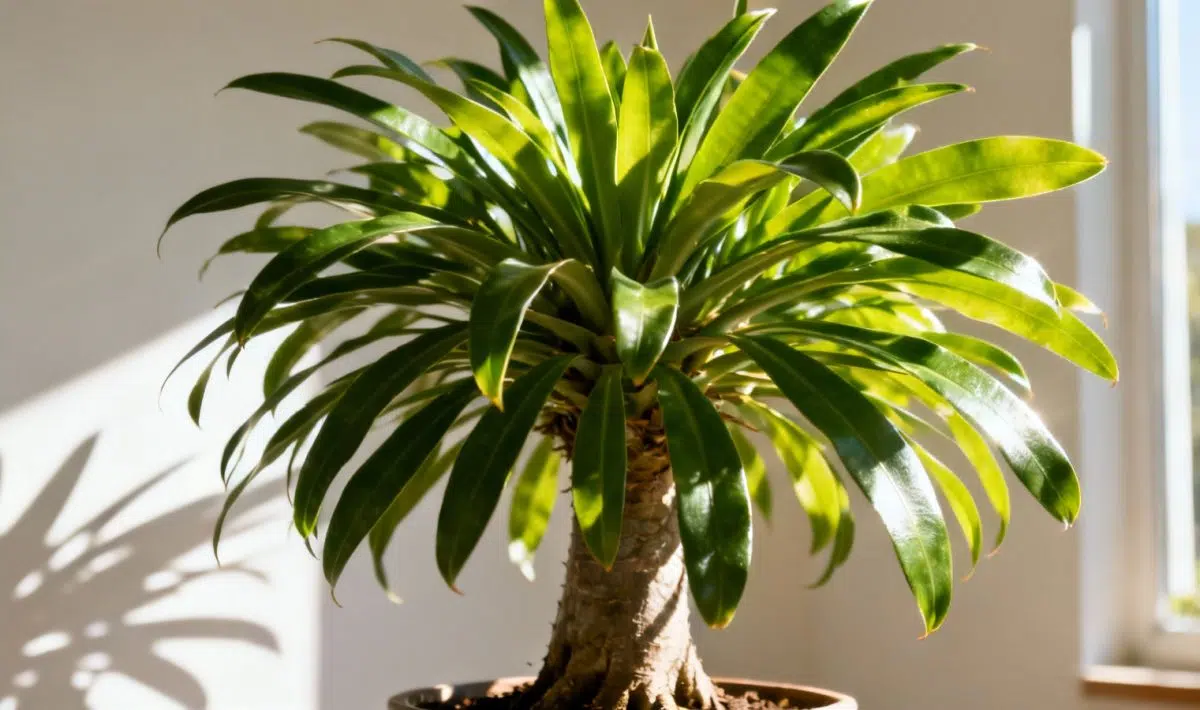
Understanding your Madagascar dragon tree’s light needs
The Madagascar dragon tree, or Dracaena marginata, is a stunning tropical plant that can transform any home or kitchen with its elegant appearance. When it comes to how much sunlight does Madagascar dragon tree need, the answer is refreshingly simple: this adaptable plant thrives with bright, indirect light for about 10 hours daily, though it’s remarkably tolerant of various lighting conditions.
Your dragon tree originally comes from Madagascar, which explains its preference for warm, well-lit environments. However, this doesn’t mean you need to place it in direct sunlight all day. In fact, too much direct sun can actually harm your plant, causing the beautiful green and white striped leaves to burn and lose their vibrant color.
The key to success with this plant lies in understanding that bright, indirect light mimics its natural habitat. You’ll want to find a spot in your home where the plant receives plenty of ambient light without being subjected to harsh, direct rays that can damage the foliage.
Best placement options for optimal growth
Finding the perfect spot for your Dracaena marginata can make all the difference in its health and appearance. A location near an east or west-facing window typically provides the ideal balance of light without overwhelming the plant. These spots offer gentle morning or afternoon sun while protecting your dragon tree from the intense midday rays.
Your kitchen can actually be an excellent location for this plant, especially if it has windows that provide good natural light. The slightly higher humidity from cooking activities can also benefit your tropical plant, though you should ensure it’s not too close to heat sources like stoves or ovens.
If you’re working with limited natural light, don’t worry. This adaptable plant can handle lower light conditions, though you may notice slower growth and less vibrant foliage colors. The nice thing about Dracaena marginata is its forgiving nature, which makes it perfect for beginners or those with less-than-ideal lighting conditions.
There are several simple tricks you can use to help your plant make the most of available light. Rotating your pot a quarter turn every week ensures all sides of the plant receive equal light exposure, promoting even growth and preventing the tree from leaning toward the light source.
Placing mirrors strategically near your plant can also help reflect additional light onto the foliage. This technique is particularly useful in darker corners or rooms with limited windows. Just make sure the reflected light isn’t creating hot spots that could burn the leaves.
The color of your pot can even make a difference. Light-colored pots reflect more light back to the plant, while darker pots absorb heat and light. Choose a white or light-colored pot to help maximize the light your dragon tree receives throughout the day.
You can also consider moving your plant seasonally. During winter months when natural light is reduced, moving it closer to windows can help compensate for shorter daylight hours.
Seasonal light adjustments
Your Madagascar dragon tree’s light needs will change slightly with the seasons. During spring and summer, when sunlight is more intense, you may need to move your plant slightly away from windows to prevent leaf burn. The longer daylight hours during these seasons provide plenty of light even from a more distant position.
Winter months require the opposite approach. With shorter days and weaker sunlight, moving your plant closer to windows or supplementing with artificial grow lights can help maintain healthy growth. Just like optimal sunlight for Persian silk trees, seasonal adjustments are key to year-round success.
During these darker months, you’ll also want to reduce watering frequency since the plant’s metabolism slows down in lower light conditions. This prevents root rot and other moisture-related issues that are more common when growth is sluggish.
Signs your dragon tree needs more light
Your plant will always tell you what it needs if you know how to read the signs. If your Dracaena marginata isn’t getting enough light, you’ll notice the leaves becoming darker green and losing their vibrant striping. New growth may appear spindly or stretched as the plant reaches for available light sources.
Leaf drop from the bottom of the plant is normal, but excessive leaf loss can indicate insufficient light. The plant may also grow more slowly or stop growing altogether when light levels are too low for extended periods.
On the flip side, too much direct sunlight causes brown, crispy edges on leaves and faded coloring. If you notice these symptoms, it’s time to move your plant to a location with filtered or indirect light.
Understanding these visual cues helps you fine-tune your plant’s placement, much like learning sunlight needs of common dandelions requires observation and adjustment.
Creating the perfect growing environment
While light is crucial, it’s just one part of creating an ideal environment for your dragon tree. Proper watering, humidity, and temperature all work together with light to keep your plant happy and healthy. Water when the top inch of soil feels dry, which typically means watering every 1-2 weeks depending on your home’s conditions.
Humidity levels between 40-50% are ideal for this tropical plant. If your home is dry, especially during winter, consider using a humidity tray or grouping plants together to create a more humid microclimate. This is particularly important if you’re growing your plant in the kitchen, where humidity can fluctuate with cooking activities.
Temperature stability is also important. Keep your dragon tree away from drafts, heating vents, and air conditioning units that can create sudden temperature changes. Room temperatures between 65-75°F (18-24°C) are perfect for optimal growth.
Regular fertilizing during the growing season (spring and summer) supports healthy development when combined with proper lighting. Use a balanced, diluted fertilizer once a month to provide essential nutrients without overwhelming the plant.
Troubleshooting common lighting issues
If you’re dealing with limited natural light in your home, artificial grow lights can be an excellent solution. LED grow lights are energy-efficient and produce less heat than traditional options, making them safer for indoor use. Position them 12-18 inches above your plant and run them for 8-12 hours daily.
For homes with too much direct sunlight, sheer curtains or blinds can help filter harsh rays while still allowing plenty of light through. This creates the bright, indirect conditions your dragon tree craves without the risk of sun damage.
North-facing windows typically provide consistent, gentle light that works well for dragon trees, though the intensity may be lower than ideal. South-facing windows often provide too much direct sun unless filtered or positioned several feet away from the window.
Just as ideal sunlight for Egyptian starclusters requires careful consideration of intensity and duration, finding the perfect balance for your dragon tree may take some experimentation.
Long-term care and maintenance
Maintaining consistent light conditions is more important than perfect conditions. Your Madagascar dragon tree will adapt to your home’s unique lighting situation as long as you avoid sudden, dramatic changes. If you need to move your plant, do so gradually over several days to prevent shock.
Regular cleaning of the leaves helps your plant make the most of available light. Dust and grime can block light absorption, so wiping leaves with a damp cloth monthly keeps them clean and photosynthetic. This simple maintenance task can significantly improve your plant’s health and appearance.
Pruning can also help manage your plant’s shape and size while ensuring all parts receive adequate light. Remove any dead, damaged, or yellowing leaves to redirect energy to healthy growth. You can also trim the top of the plant to encourage branching and create a fuller appearance.
Consider the insights from sunlight tips for mother of thousands when planning your long-term care strategy, as consistent observation and adjustment lead to the best results.
With proper attention to lighting and care, your Madagascar dragon tree can be a beautiful, long-lasting addition to your home that brings a touch of tropical elegance to any room. The investment in understanding its needs will reward you with years of lush, healthy growth and stunning foliage that enhances your living space.
Allan is a lifelong gardening enthusiast who still gets excited when the first seedlings pop up in spring. With a deep love for nature and a hands-in-the-soil approach, he shares practical tips, plant discoveries, and clever tricks picked up over years of digging, planting, and observing. Whether you’re a new gardener or have a shed full of tools, Allan writes like a neighbor who’s always happy to swap cuttings and stories over the fence.
You can find more about Allan’s work on Malt or connect with him on LinkedIn.