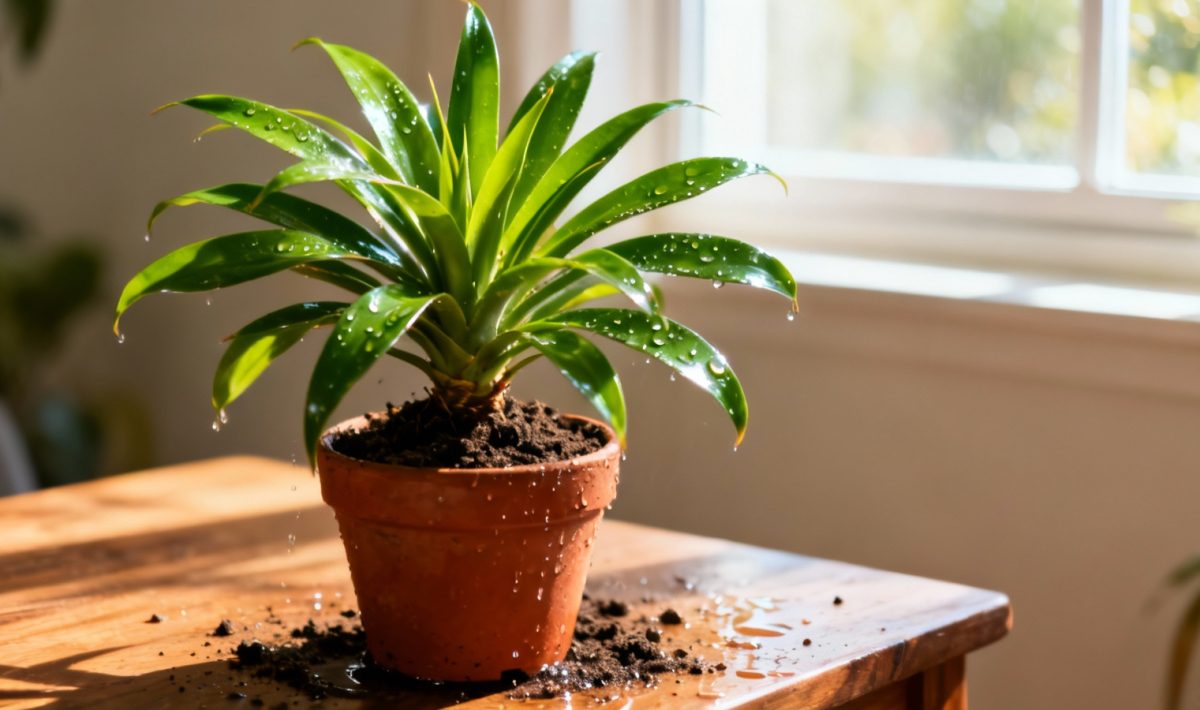
How often should you water your Madagascar dragon tree for optimal growth
Finding the right watering rhythm for your Madagascar dragon tree can feel like a delicate dance, but it’s actually simpler than you might think. These stunning Dracaena marginata plants have specific water needs that change with the seasons, and understanding how often should you water your Madagascar dragon tree is crucial for keeping your green friend thriving. With their elegant red-edged leaves and easy-going nature, these plants make perfect house companions when you get the watering just right.
Understanding your Dracaena marginata’s water needs
Madagascar dragon trees are surprisingly drought-tolerant plants that prefer a “less is more” approach to watering. These beauties actually store water in their thick stems, which means they’re built to handle some dry spells. The key is letting the soil dry out between waterings rather than keeping it constantly moist. Overwatering is the number one killer of these otherwise resilient plants, so patience is your best friend here.
The optimal watering frequency depends heavily on the season and your home’s conditions. During spring and summer growth periods, you’ll typically water every 7 to 12 days with about 2 to 3 cups of water. However, as temperatures drop in fall and winter, your plant’s metabolism slows down dramatically, requiring water only every 3 to 4 weeks or even monthly.
The finger test: your most reliable watering indicator
Forget rigid schedules and embrace the finger test instead. Stick your finger about 1 to 2 inches deep into the soil around your dragon tree. If the soil feels dry at this depth, it’s time to water. If there’s still moisture, wait a few more days and test again. This simple technique prevents the dreaded root rot that comes from soggy soil.
Temperature and humidity in your house also play crucial roles in how quickly the soil dries out. Higher temperatures and lower humidity mean faster drying, while cooler, more humid conditions slow down the process. Similarly, just as you need to properly water your kikuyu grass based on outdoor conditions, your indoor dragon tree responds to its environment.
Seasonal watering adjustments
Spring and summer are when your Madagascar dragon tree puts on its growth show. During these active months, the plant uses more water and nutrients to produce new leaves and extend its height. You’ll notice the soil drying out faster, typically requiring water every week to ten days. Always check the soil moisture first though – some weeks might be more humid or cooler than others.
Winter brings a completely different watering game. Your dragon tree essentially takes a long nap during these months, barely growing and using minimal water. Reduce watering to once every three to four weeks, sometimes even longer. The cooler temperatures and shorter daylight hours mean the soil stays moist much longer than in summer.
Proper watering technique for healthy growth
When it’s time to water, do it thoroughly but slowly. Pour water evenly around the base of the plant until you see it draining from the holes at the bottom of the pot. This deep watering encourages the roots to grow downward and develop a strong foundation. Never let your dragon tree sit in standing water – empty the drainage tray after about 30 minutes.
Room temperature water works best for these tropical natives. Cold water can shock the roots, while hot water might damage them entirely. If you’re using tap water, let it sit overnight to allow chlorine to evaporate, though most dragon trees tolerate standard tap water just fine.
Pot size and drainage considerations
The size of your pot dramatically affects watering frequency. Larger pots hold more soil and retain moisture longer, while smaller containers dry out quickly. Ensure your pot has adequate drainage holes – at least three or four for a standard-sized container. Poor drainage is like giving your plant wet feet permanently, which leads to root problems faster than you can say “dragon tree.”
Consider the pot material too. Terracotta pots breathe and allow moisture to evaporate through their walls, requiring more frequent watering. Plastic or glazed ceramic pots hold moisture longer. Just as ensuring vibrant blooms in zinnias requires understanding container gardening basics, your dragon tree’s container choice impacts its watering needs.
Warning signs of watering problems
Your Madagascar dragon tree is quite communicative about its water situation if you know what to look for. Yellow leaves starting from the bottom usually indicate overwatering, especially if they feel soft or mushy. These plants naturally drop their oldest leaves occasionally, but widespread yellowing is a red flag.
Underwatered dragon trees show different symptoms. The leaf tips turn brown and crispy, and the normally firm leaves might start to wrinkle or feel less plump. The soil pulls away from the pot edges when severely dry. Fortunately, these signs appear gradually, giving you time to adjust your watering routine.
Recovery strategies
If you’ve been overwatering, stop immediately and let the soil dry out completely before watering again. Remove any yellow or mushy leaves, as they won’t recover and might harbor harmful bacteria. For severe cases, you might need to repot with fresh, well-draining soil. Similar to how you might water your dragon fruit consistently but adjust for problems, consistency with proper technique matters more than frequency.
Underwatered plants usually bounce back quickly with proper hydration. Give them a thorough drink and return to regular monitoring. The brown leaf tips won’t green up again, but new growth should emerge healthy and vibrant.
Creating the perfect growing environment
Water is just one piece of the dragon tree puzzle. These plants thrive in bright, indirect light – think near a window with sheer curtains rather than direct sunbeam exposure. Temperatures between 65-75°F work perfectly, and they appreciate moderate humidity levels around 40-50%.
Good air circulation helps prevent fungal issues and keeps the soil from staying soggy too long. A small fan nearby works wonders, especially during humid summer months. Just like watering your Persian silk tree requires considering environmental factors, your indoor dragon tree benefits from thoughtful placement.
Soil and fertilizer considerations
Well-draining potting mix is essential for Madagascar dragon trees. A standard houseplant soil mixed with some perlite or coarse sand creates the perfect balance of moisture retention and drainage. Avoid heavy, clay-based soils that hold water too long.
During the growing season, a monthly dose of balanced, diluted fertilizer supports healthy growth. Skip fertilizing in winter when the plant is dormant – it won’t use the nutrients anyway, and excess fertilizer can actually harm the roots.
With proper watering techniques and attention to your plant’s signals, your Madagascar dragon tree will reward you with years of elegant growth and air-purifying benefits. Remember that consistency matters more than perfection – these forgiving plants adapt well to slight variations in care as long as you avoid the extremes of drought or waterlogging.
Allan is a lifelong gardening enthusiast who still gets excited when the first seedlings pop up in spring. With a deep love for nature and a hands-in-the-soil approach, he shares practical tips, plant discoveries, and clever tricks picked up over years of digging, planting, and observing. Whether you’re a new gardener or have a shed full of tools, Allan writes like a neighbor who’s always happy to swap cuttings and stories over the fence.
You can find more about Allan’s work on Malt or connect with him on LinkedIn.