How often should you water your kikuyu grass for healthy growth
Today I’m sharing everything you need to know about keeping your Kikuyu grass healthy and vibrant. This remarkable lawn variety has earned quite a reputation for its resilience, but even the toughest grasses need proper care. How often should you water your Kikuyu grass depends on several key factors that we’ll explore together.
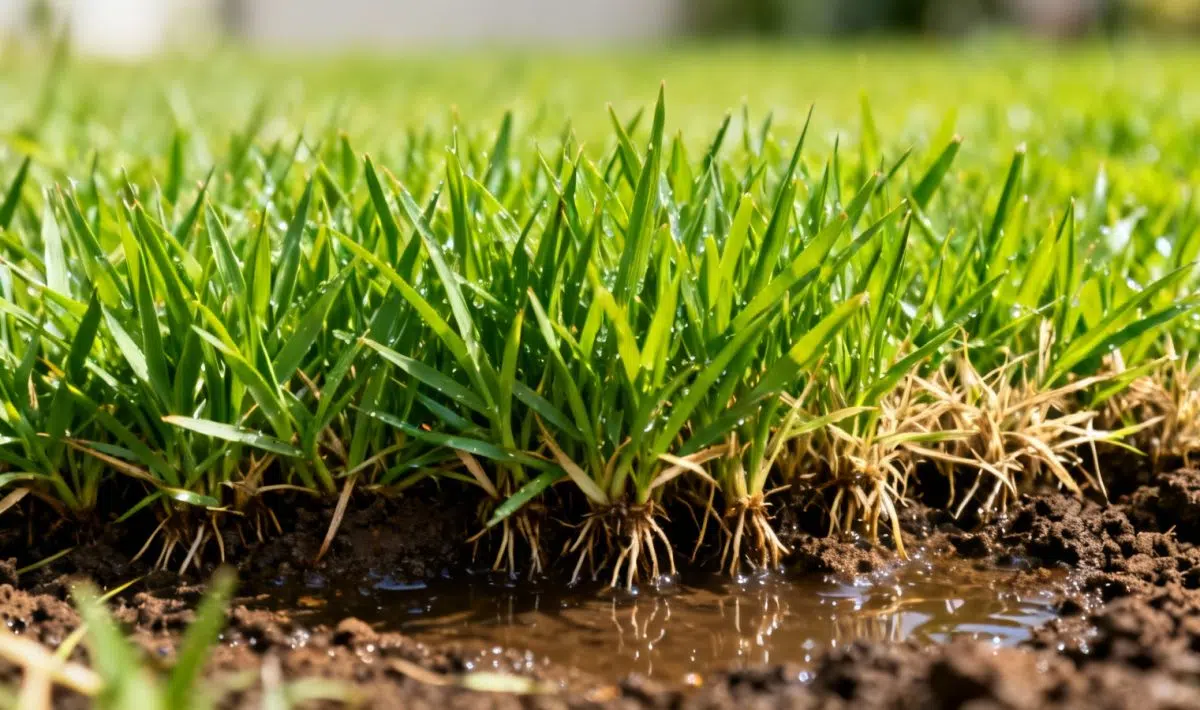
Kikuyu grass stands out from other lawn varieties because of its exceptional drought tolerance. This hardy grass can actually survive four to five months without water, thanks to its thick, fleshy leaves that store moisture and deep root system that reaches underground water sources. However, just because it can survive doesn’t mean it will thrive without proper irrigation.
The secret lies in understanding that Kikuyu grass stores water differently than other plants. Its leaves act like tiny reservoirs, while the roots extend deep into the soil to access moisture that other grasses simply cannot reach. This natural adaptation makes it perfect for areas with irregular rainfall, but it also means you need to adjust your watering approach accordingly.
During the growing season, your Kikuyu grass will benefit from consistent moisture, even though it can handle dry spells better than most lawn types. The key is finding that sweet spot where you’re providing enough water for optimal growth without overdoing it.
Determining the right watering frequency
For established Kikuyu grass, aim to water once every seven days during summer months. This weekly schedule provides sufficient moisture for healthy growth while allowing the soil to dry out slightly between sessions. The goal is to give your lawn a deep, thorough soaking rather than frequent light sprinkles.
Each watering session should deliver approximately 20-30 millimeters of water to reach the root zone effectively. This deep watering encourages the roots to grow deeper, which actually strengthens the grass’s natural drought resistance over time.
During cooler months, you can extend this interval to every 10-14 days, as the grass enters a slower growth phase and requires less moisture. Winter watering might only be necessary during particularly dry spells, as the grass becomes semi-dormant.
Just as you might research how to water your Chinese silver grass properly for different growing conditions, Kikuyu grass also benefits from tailored watering schedules based on seasonal changes and local climate conditions.
Testing soil moisture levels
Rather than relying solely on a fixed schedule, learn to read your soil’s moisture content. Push a screwdriver or similar tool into the ground near your lawn area. If it penetrates easily to about 15 centimeters deep, your soil has adequate moisture. If you encounter resistance or dry soil, it’s time to water.
Another simple test involves walking across your lawn early in the morning. If your footprints remain visible for more than a few seconds, the grass is stressed and needs water. Well-hydrated Kikuyu grass springs back quickly from foot traffic.
Best watering practices for optimal results
Timing makes all the difference when watering Kikuyu grass. Water early in the morning, ideally between 6 and 10 AM, when temperatures are cooler and winds are typically calm. This timing allows maximum water absorption while minimizing evaporation losses.
Avoid watering during the hottest part of the day, as much of the water will evaporate before reaching the roots. Evening watering isn’t ideal either, as it can leave the grass wet overnight, potentially encouraging fungal diseases.
When you do water, make it count. Apply water slowly and steadily to allow proper soil penetration. If you notice water running off instead of soaking in, pause for 15-20 minutes, then continue. This technique works particularly well with clay soils that absorb water more slowly.
Choosing the right irrigation method
Sprinkler systems work well for Kikuyu grass, but adjust the settings to deliver larger water droplets rather than a fine mist. Larger droplets penetrate the dense foliage more effectively and reduce evaporation losses.
If you’re using a manual hose and sprinkler, move it around every 20-30 minutes to ensure even coverage. Overlapping spray patterns slightly helps prevent dry spots that can weaken your lawn over time.
Drip irrigation can also work for smaller lawn areas, providing precise water delivery directly to the root zone. This method offers excellent water conservation, which is particularly valuable during drought periods.
Recognizing watering problems
Underwatering shows up as grass that loses its vibrant green color, becoming dull or slightly blue-green. The blades may also curl or fold lengthwise as the plant tries to reduce water loss. While Kikuyu grass handles drought better than most varieties, these signs indicate it needs immediate attention.
Overwatering creates different problems. Soggy soil promotes shallow root growth and increases disease risk. You might notice soft, spongy ground that doesn’t drain well, or even fungal growth in heavily watered areas. Much like learning ensure vibrant blooms for zinnias requires understanding their specific needs, Kikuyu grass thrives with consistent but not excessive moisture.
Yellow or brown patches that don’t respond to increased watering often indicate overwatering rather than drought stress. In these cases, reduce watering frequency and improve drainage if possible.
Managing seasonal changes
Spring requires careful attention as your Kikuyu grass emerges from its winter slowdown. Begin with lighter, more frequent watering to encourage new growth, then transition to your regular deep watering schedule as temperatures rise.
Summer brings peak water needs, but remember that Kikuyu’s drought tolerance means you don’t need to water as frequently as other grass types. Stick to your weekly schedule unless you’re experiencing exceptional heat or drought conditions.
Fall watering should gradually decrease as growth slows and temperatures drop. This helps the grass prepare for winter dormancy while maintaining adequate moisture reserves.
Special considerations for new plantings
Newly planted Kikuyu grass requires more frequent watering until it establishes a strong root system. Water daily or every other day for the first 2-3 weeks, applying lighter amounts more frequently rather than deep soakings.
Once you see consistent germination and growth (usually after 10-14 days), begin extending the intervals between waterings while increasing the amount applied each time. This transition encourages deeper root development.
By the end of the first growing season, your established Kikuyu grass should be ready for the standard weekly watering schedule. The investment in frequent early care pays off with a more resilient, drought-tolerant lawn.
Water conservation strategies
During drought conditions, Kikuyu grass’s natural resilience becomes your greatest asset. You can extend watering intervals to every 10-14 days without significant damage, though the grass may lose some of its lush appearance temporarily.
Consider raising your mowing height during dry periods, as taller grass shades the soil and reduces evaporation. This simple adjustment can significantly improve water retention between irrigation sessions.
Mulching around the edges of your lawn area helps retain soil moisture and reduces the overall water demand. This strategy works particularly well in garden beds where you might also be learning to keep your African marigolds healthy with proper watering techniques.
Installing rain sensors on automatic irrigation systems prevents unnecessary watering after natural rainfall. Even a small amount of rain can delay your next scheduled watering by several days, especially during cooler months.
Troubleshooting common issues
If your Kikuyu grass isn’t responding well to your current watering schedule, examine your soil type and drainage. Clay soils hold water longer but may need slower application rates, while sandy soils drain quickly and might benefit from more frequent, lighter waterings.
Compacted soil prevents proper water penetration regardless of how much you apply. Core aeration in spring or fall can dramatically improve water infiltration and root development, making your watering efforts more effective.
Consider that different areas of your lawn may have varying water needs based on sun exposure, slope, and soil conditions. Adjust your irrigation zones accordingly rather than treating the entire lawn identically.
Remember that successful Kikuyu grass care comes from understanding its unique characteristics and adapting your watering practices accordingly. With proper timing, adequate amounts, and attention to seasonal changes, you’ll maintain a beautiful, resilient lawn that showcases this remarkable grass variety at its very best.
Allan is a lifelong gardening enthusiast who still gets excited when the first seedlings pop up in spring. With a deep love for nature and a hands-in-the-soil approach, he shares practical tips, plant discoveries, and clever tricks picked up over years of digging, planting, and observing. Whether you’re a new gardener or have a shed full of tools, Allan writes like a neighbor who’s always happy to swap cuttings and stories over the fence.
You can find more about Allan’s work on Malt or connect with him on LinkedIn.