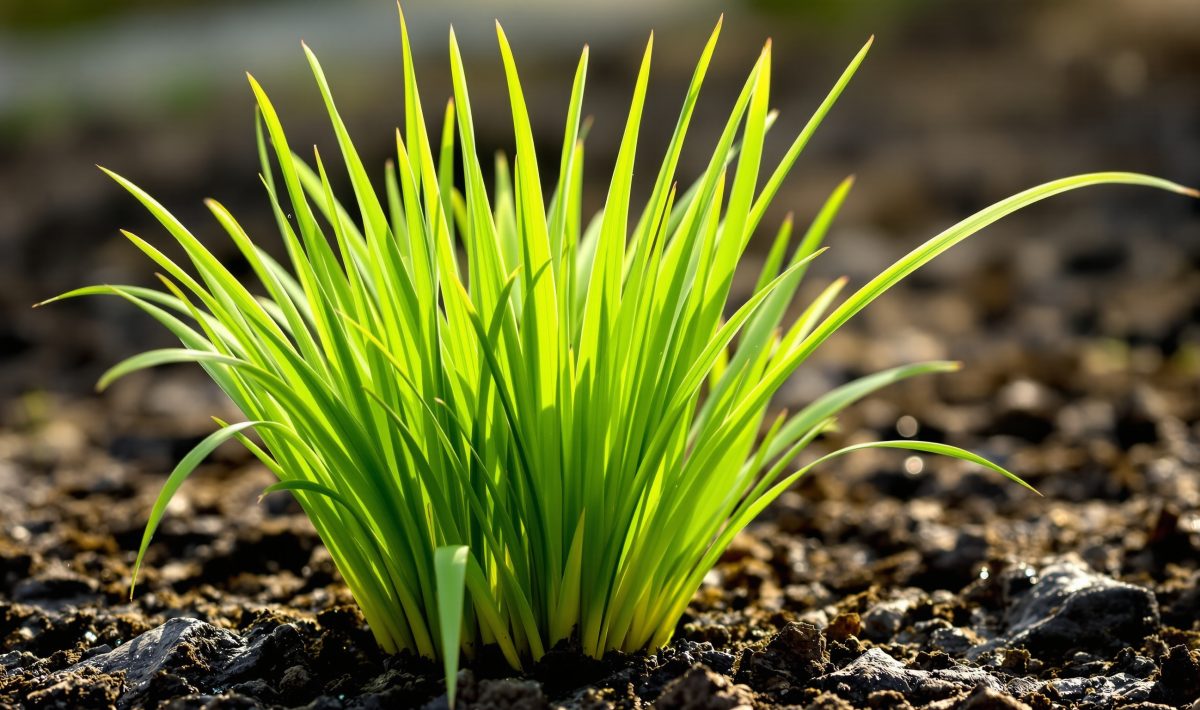
How often should you water your Chinese silver grass for optimal growth
Today, let’s dive into one of the most common questions gardeners ask about miscanthus sinensis: how often should you water your Chinese silver grass? This stunning ornamental grass transforms gardens with its elegant foliage and graceful plumes, but proper watering is essential for its success.
Understanding the watering needs of your Chinese silver grass will help you cultivate a thriving plant that becomes the star of your garden. With the right approach, you’ll enjoy its beautiful striped leaves and dramatic height for years to come.
Understanding Chinese silver grass water requirements
Miscanthus sinensis, commonly known as Chinese silver grass, is surprisingly drought-tolerant once established. This hardy plant adapts well to various soil conditions and requires less water than most gardeners expect. The key lies in understanding its natural growth cycle and seasonal needs.
During its first year, your newly planted grass needs consistent moisture to develop strong roots. However, mature plants prefer a more relaxed watering schedule that mimics their native habitat. These ornamental grasses originally grew in areas with distinct wet and dry seasons, which explains their resilience.
Seasonal watering patterns for optimal growth
Spring marks the beginning of active growth for your Chinese silver grass. As new shoots emerge from the soil, provide deep watering once or twice per week. The plant uses this period to establish its extensive root system and produce fresh foliage.
Summer brings the most critical watering period. Water your miscanthus deeply once a week, providing about one inch of water each time. During extremely hot spells, you may need to increase frequency to twice weekly, especially for plants in full sun exposure.
Fall and winter require minimal intervention. Reduce watering to once every two weeks as the plant enters dormancy. The grass naturally prepares for winter by slowing its growth and conserving energy. Overwatering during this period can actually harm the plant by encouraging soft growth vulnerable to frost damage.
Factors that influence watering frequency
Your soil type plays a crucial role in determining how often to water. Well-drained sandy soils require more frequent watering, while heavy clay soils retain moisture longer. Check soil moisture by inserting your finger two inches deep – if it feels dry, it’s time to water.
Climate conditions significantly impact watering schedules. Hot, windy days increase water loss through the leaves, requiring more frequent irrigation. Conversely, cool, humid weather reduces water needs considerably. Much like the watering guidelines for African-lilies, adapting to local conditions is essential.
Sun exposure affects water consumption dramatically. Plants in full sun locations need more frequent watering than those in partial shade. However, Chinese silver grass thrives in both conditions when properly established.
Proper watering techniques for healthy plants
Deep, infrequent watering produces the best results for miscanthus. Apply water slowly at the base of the plant, allowing it to penetrate deeply into the root zone. This encourages roots to grow downward, creating a more drought-resistant plant.
Avoid overhead watering, which can promote fungal diseases and waste water through evaporation. Instead, use soaker hoses or drip irrigation systems for efficient water delivery. Morning watering allows plants to dry before evening, reducing disease risk.
Adding a layer of organic mulch around your grass helps retain soil moisture and reduces watering frequency. Apply two to three inches of shredded bark, compost, or dried leaves, keeping mulch away from the plant base to prevent crown rot.
Common watering mistakes to avoid
Overwatering ranks as the most frequent error with Chinese silver grass. These plants tolerate drought better than constantly wet conditions. Signs of overwatering include yellowing leaves, soft stems, and poor flower production.
Shallow, frequent watering creates weak root systems that struggle during dry periods. Instead of daily light sprinklings, provide deep weekly soakings that encourage robust root development. This principle applies to many ornamental plants, similar to optimal watering for common mullein and other drought-tolerant species.
Neglecting newly planted grass leads to establishment failures. Young plants need consistent moisture for their first growing season, even though mature specimens are drought-tolerant. Gradually reduce watering frequency as the plant establishes itself.
Signs your grass needs attention
Drooping or curled leaves often indicate water stress, though this can signal both under and overwatering. Check soil moisture to determine the cause. Healthy miscanthus maintains upright growth with vibrant green foliage throughout the growing season.
Poor flower production may result from inconsistent watering during the growing season. These ornamental grasses produce their best plumes when they receive adequate moisture during spring and early summer growth periods.
Brown leaf tips sometimes indicate watering issues, though they can also result from low humidity or fertilizer burn. Observe the overall plant health and adjust your watering accordingly.
Special considerations for container-grown grass
Potted Chinese silver grass requires more frequent watering than ground-planted specimens. Containers dry out faster, especially in hot weather or windy locations. Check soil moisture every few days during summer.
Use containers with drainage holes to prevent waterlogged roots. Like healthy growth for ponytail palms, proper drainage is essential for container gardening success. Water thoroughly until it drains from the bottom holes.
Consider using larger containers for better moisture retention. Small pots dry out quickly and may require daily watering during hot summer days, making maintenance more demanding.
Winter care and dormancy watering
During winter dormancy, Chinese silver grass needs minimal water. In most climates, natural rainfall provides sufficient moisture. Avoid watering dormant plants unless experiencing prolonged drought conditions.
Cold, wet soil can damage dormant roots, so ensure good drainage around your plants. This is particularly important in regions with freeze-thaw cycles that can create waterlogged conditions.
Leave ornamental grass foliage standing through winter for protection and visual interest. The dried stems and seed heads add texture to winter gardens while protecting the crown from cold damage.
Companion planting and water management
When designing garden beds with Chinese silver grass, consider companion plants with similar water requirements. Drought-tolerant perennials and ornamental grasses create cohesive plantings that simplify maintenance.
Avoid pairing miscanthus with water-loving plants that require frequent irrigation. This approach, similar to considerations for caring for Monstera obliqua plants, ensures all plants thrive with compatible care requirements.
Group plants by water needs to create efficient irrigation zones. This strategy reduces water waste and helps maintain optimal growing conditions for all plants in your garden.
Tools for monitoring soil moisture
A simple soil moisture meter takes the guesswork out of watering decisions. These inexpensive tools provide accurate readings of soil moisture levels at root depth, helping you water only when necessary.
The finger test remains reliable for quick moisture checks. Insert your finger two to three inches into the soil near the plant base. Dry soil indicates watering time, while moist soil suggests waiting another day or two.
Weather monitoring helps anticipate watering needs. Track rainfall amounts and upcoming forecasts to adjust your watering schedule accordingly. Many smartphone apps provide detailed weather data for precise garden management.
Troubleshooting water-related problems
Yellowing leaves in Chinese silver grass often indicate watering issues. If soil feels soggy, reduce watering frequency and improve drainage. Conversely, dry soil with yellowing leaves suggests the need for more consistent moisture.
Stunted growth may result from inconsistent watering during the establishment period. Young plants need steady moisture for proper development, while mature specimens tolerate irregular watering better.
Root rot becomes a concern in constantly wet conditions. Symptoms include black, mushy roots and declining plant vigor. Improve drainage and reduce watering frequency to address this serious condition. This principle applies to many plants, including woody species like watering tips for common hornbeam.
Creating the perfect watering schedule
Your ideal watering schedule depends on local climate, soil conditions, and plant maturity. Start with weekly deep watering during the growing season and adjust based on plant response and weather conditions.
Keep a garden journal to track watering dates and plant performance. This information helps you refine your approach and develop a customized schedule that works for your specific conditions.
Remember that Chinese silver grass prefers consistency over perfection. Regular deep watering during active growth, followed by reduced winter irrigation, creates the foundation for healthy, vigorous plants that will grace your garden for many seasons to come.
Allan is a lifelong gardening enthusiast who still gets excited when the first seedlings pop up in spring. With a deep love for nature and a hands-in-the-soil approach, he shares practical tips, plant discoveries, and clever tricks picked up over years of digging, planting, and observing. Whether you’re a new gardener or have a shed full of tools, Allan writes like a neighbor who’s always happy to swap cuttings and stories over the fence.
You can find more about Allan’s work on Malt or connect with him on LinkedIn.