
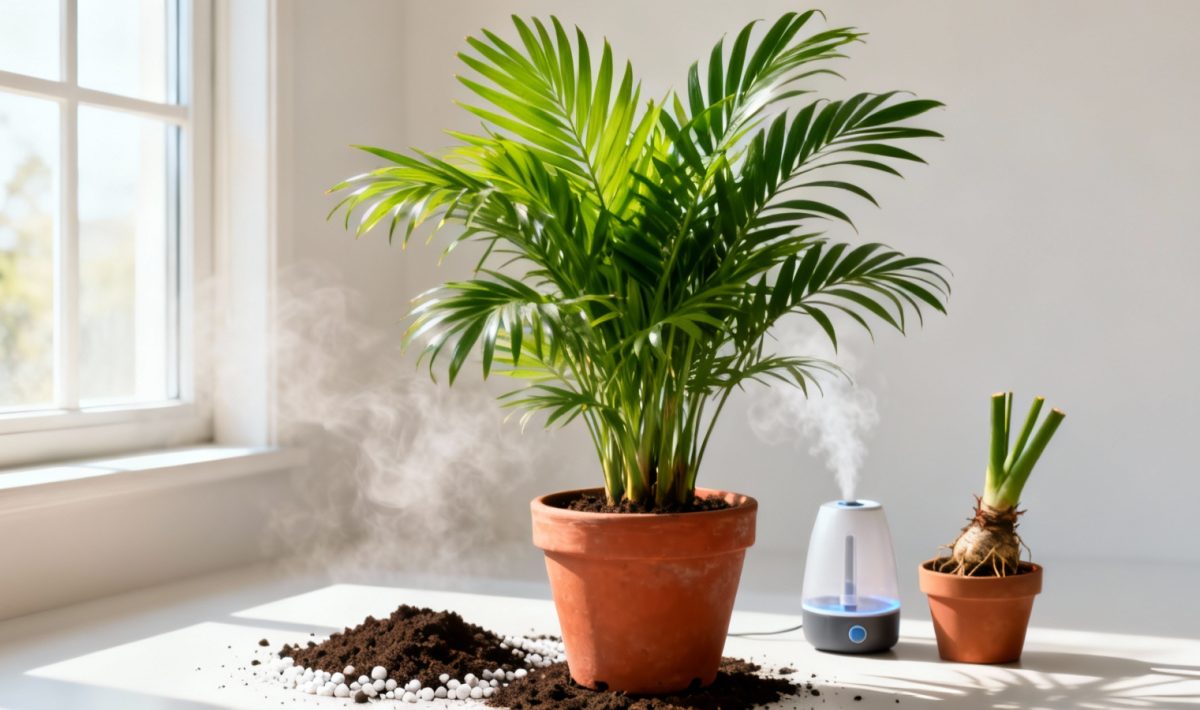
The Parlor palm, scientifically known as Chamaedorea elegans, has become one of the most beloved indoor plants for good reason. This elegant palm brings a touch of tropical beauty to any interior space while remaining surprisingly easy to care for. Whether you’re a seasoned plant parent or just starting your indoor garden journey, understanding the specific needs of this charming palm will help you create the perfect environment for it to thrive.
Understanding your Parlor palm – Chamaedorea elegans
Originally from the tropical forests of southern Mexico and Guatemala, the Parlor palm has adapted beautifully to indoor life. This slow-growing beauty typically reaches 3 to 4 feet in height when grown indoors, making it perfect for apartments and smaller spaces. Unlike many other plants, this palm is completely safe for pets and children, while also serving as a natural air purifier for your home.
The elegant fronds of Chamaedorea elegans emerge gracefully from multiple stems, creating a full, lush appearance that adds life to any room. Its compact size and tolerance for lower light conditions make it an ideal choice for offices, living rooms, or bedrooms where direct sunlight might be limited.
Essential care requirements for healthy growth
Lighting needs for optimal development
Getting the lighting right is crucial for your Parlor palm’s health. These plants thrive in bright, indirect light but can tolerate partial shade quite well. Place your palm near a window with filtered sunlight, or in a spot where it receives plenty of ambient light throughout the day. However, avoid direct sunlight at all costs, as it will quickly burn the delicate fronds and cause permanent damage.
If you notice the leaves turning yellow or brown, it’s often a sign that your plant is receiving too much direct light. On the other hand, if growth seems extremely slow or the fronds appear pale, your palm might need a brighter location. Just like with care tips for growing apricots, finding the right balance of light exposure is key to success.
Soil and potting requirements
The foundation of healthy plant growth starts with the right soil. Your Parlor palm needs well-draining potting mix that retains some moisture without becoming waterlogged. A high-quality indoor plant soil mixed with perlite or bark chips works wonderfully. The soil should feel slightly moist to the touch but never soggy.
Choose a pot with drainage holes to prevent water from accumulating at the bottom. Terra cotta pots work particularly well as they allow excess moisture to evaporate through the porous material. When repotting, which typically happens every 2-3 years due to the slow growth rate, select a container only slightly larger than the current one.
Watering and humidity management
Proper watering technique can make or break your Parlor palm care routine. Water your plant when the top inch of soil feels dry to the touch, usually every 1-2 weeks depending on your home’s humidity levels and temperature. Pour water slowly until it begins to drain from the bottom, then empty the drainage tray after 15-20 minutes.
Humidity plays a vital role in keeping your palm healthy. These tropical plants prefer humidity levels between 40-60%. If your home is particularly dry, especially during winter months, consider using a humidity tray or placing a small humidifier nearby. You can also group several plants together to create a more humid microclimate.
Signs of overwatering include yellowing fronds starting from the bottom, musty soil odor, or soft, dark roots. Underwatered plants typically show brown, crispy leaf tips and soil that pulls away from the pot edges. Similar to best practices for cucumber cultivation, consistent moisture management is essential.
Temperature and environmental considerations
Maintaining the right temperature range keeps your Parlor palm comfortable year-round. These plants prefer temperatures between 65-80°F (18-26°C) and don’t tolerate cold drafts or sudden temperature changes well. Keep your palm away from heating vents, air conditioning units, and drafty windows or doors.
During winter months, be extra careful about cold exposure. Temperatures below 50°F (10°C) can cause serious damage to the plant. If you need to move your palm during colder seasons, wrap it carefully and minimize exposure time to cold air.
Fertilizing for healthy growth
Feed your Parlor palm with a balanced, diluted liquid fertilizer once a month during the growing season (spring and summer). Use a fertilizer specifically designed for houseplants or palms, diluted to half the recommended strength. Over-fertilizing can cause more harm than good, leading to salt buildup in the soil and burned roots.
During fall and winter, reduce feeding to once every 6-8 weeks or stop altogether, as the plant’s growth naturally slows during these months. Watch for signs of nutrient deficiency, such as pale new growth or yellowing older fronds, which might indicate your plant needs more regular feeding.
Propagation methods for expanding your collection
Propagating Parlor palms requires patience, as these plants naturally grow quite slowly. The most reliable method is division, which works best when your plant has developed multiple stems or has become quite mature. Carefully remove the plant from its pot and gently separate the root clusters, ensuring each division has healthy roots and at least one growing point.
Plant each division in fresh, well-draining soil and water lightly. Keep the newly separated plants in bright, indirect light and maintain slightly higher humidity while they establish themselves. This process can take several weeks to months, so don’t be discouraged if progress seems slow initially.
Some gardeners also try growing from seeds, though this method requires considerable patience as germination can take 1-2 months, and seedlings grow extremely slowly for the first year. Whether you’re propagating palms or learning about guidelines for Philodendron ‘Birkin’ care, consistency and patience are your best allies.
Common problems and solutions
Even with proper care, you might encounter some challenges with your Parlor palm. Brown leaf tips are among the most common issues, usually caused by low humidity, fluoride in tap water, or inconsistent watering. Try using distilled water and increase humidity around your plant to address this problem.
Spider mites can occasionally affect indoor palms, especially in dry conditions. Regular misting and maintaining proper humidity levels help prevent these pests. If you do notice tiny webs or stippling on the leaves, treat with insecticidal soap or neem oil according to package directions.
Yellow or brown fronds starting from the bottom are often normal aging, but if it happens rapidly or affects multiple fronds simultaneously, check your watering routine and soil drainage. Just as how to care for Madagascar dragon tree requires attention to similar details, consistent monitoring helps catch problems early.
Seasonal care adjustments
Your Parlor palm’s needs change slightly with the seasons. During spring and summer, when growth is most active, maintain regular watering and feeding schedules. These warmer months are also the best time for repotting if needed, as the plant can recover more quickly from any root disturbance.
Fall and winter require more careful attention to watering, as cooler temperatures and lower light levels slow the plant’s metabolism. Water less frequently and avoid fertilizing unless you notice clear signs of nutrient deficiency. This seasonal adjustment helps prevent root rot and other moisture-related problems during the dormant period.
Consider the changing light conditions throughout the year as well. A spot that provides perfect lighting in summer might be too dim in winter, so you may need to relocate your palm closer to a window during darker months. Understanding these natural cycles, similar to how caring for common sowthistle plants requires seasonal awareness, helps you provide optimal care year-round.
Long-term health and maintenance
Regular maintenance keeps your Parlor palm looking its best for years to come. Remove any completely brown or yellow fronds by cutting them at the base with clean, sharp scissors. This not only improves appearance but also prevents the plant from wasting energy on damaged foliage.
Dust accumulation on the fronds can interfere with photosynthesis and make your plant look dull. Wipe the leaves gently with a damp cloth every few weeks, or give your palm an occasional lukewarm shower to remove dust and refresh the foliage. This simple maintenance step makes a significant difference in your plant’s overall health and appearance.
Monitor your palm’s growth and general condition regularly. Healthy Parlor palms should produce new fronds periodically, though growth is naturally slow. If your plant hasn’t shown any new growth for an extended period, review your care routine and consider whether adjustments to lighting, watering, or nutrition might be needed. The principles that apply to tips for growing red raspberries regarding consistent care also benefit indoor palms tremendously.
With proper attention to these care details, your Parlor palm can become a long-lasting, beautiful addition to your indoor plant collection. The effort you invest in understanding and meeting its specific needs will be rewarded with years of elegant, tropical beauty in your home.

Allan is a lifelong gardening enthusiast who still gets excited when the first seedlings pop up in spring. With a deep love for nature and a hands-in-the-soil approach, he shares practical tips, plant discoveries, and clever tricks picked up over years of digging, planting, and observing. Whether you’re a new gardener or have a shed full of tools, Allan writes like a neighbor who’s always happy to swap cuttings and stories over the fence.
You can find more about Allan’s work on Malt or connect with him on LinkedIn.


