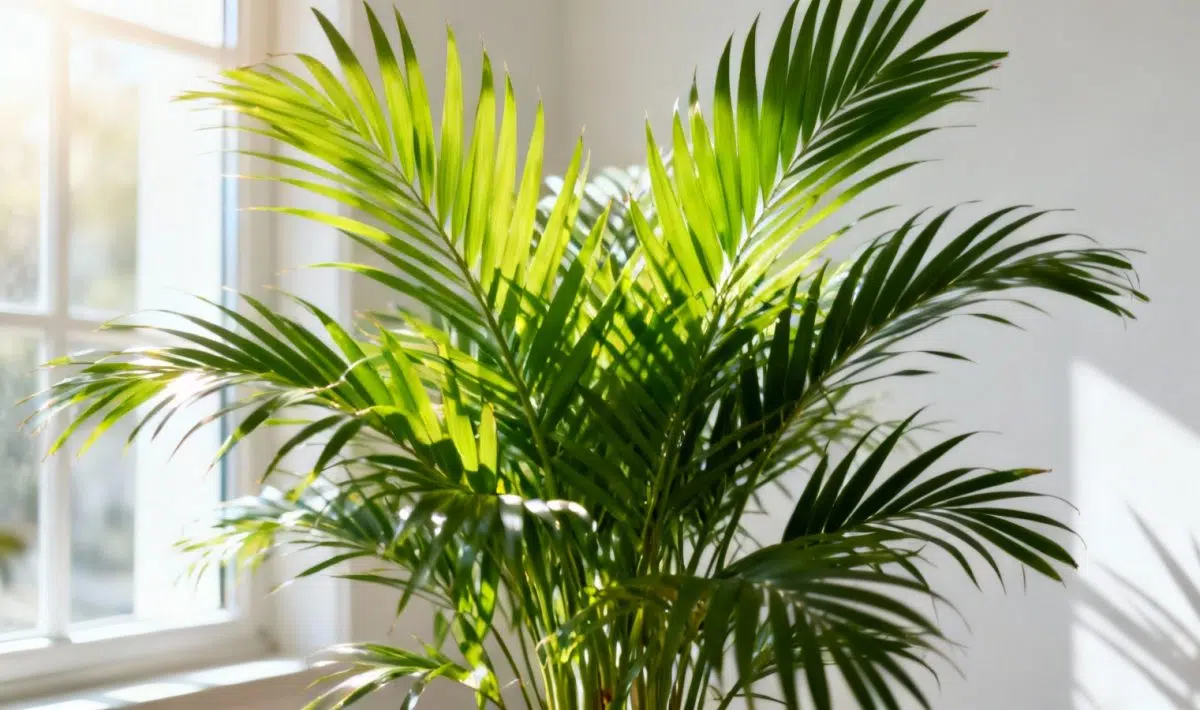
How much sunlight does parlor palm need – caring tips and growing advice
The parlor palm, scientifically known as Chamaedorea elegans or Neanthe bella, has become one of the most beloved indoor plants for good reason. This elegant palm brings a touch of tropical charm to any home while being surprisingly forgiving when it comes to care. However, understanding its sunlight requirements is crucial for keeping your parlor palm healthy and thriving year-round.
When you buy a parlor palm, you’re investing in a plant that can live for decades with proper care. The key to success lies in providing the right amount of light – not too much, not too little, but just the perfect balance that mimics its natural habitat.
Your parlor palm thrives best in bright, indirect sunlight rather than direct exposure. This beautiful plant originates from the rainforests of Mexico and Guatemala, where it grows naturally under the canopy of larger trees. In this environment, it receives filtered light throughout the day, never harsh direct rays.
Direct sunlight can actually harm your parlor palm, causing the leaves to turn yellow or brown and potentially scorching the delicate fronds. Instead, aim for a location that receives plenty of ambient light without the intense heat that comes with direct sun exposure. A north-facing window typically provides ideal conditions for this item.
The color of your palm’s leaves will tell you a lot about whether it’s receiving the right amount of light. Healthy parlor palms display rich green foliage that maintains its vibrant appearance throughout the seasons.
Best placement options in your home
Finding the perfect spot for your parlor palm doesn’t have to be complicated. Look for areas in your home that receive consistent, filtered light throughout the day. East-facing windows work wonderfully, as they provide gentle morning sunlight without the harsh afternoon heat.
You can also place your palm several feet away from a south-facing window, where it will benefit from the bright ambient light without direct exposure. Many plant enthusiasts find success positioning their parlor palms in living rooms or bedrooms with large windows, creating beautiful focal points while ensuring the plant receives adequate illumination.
Consider rotating your plant occasionally to ensure all sides receive equal light exposure. This simple practice helps maintain symmetrical growth and prevents the palm from leaning toward the light source. Just like understanding sunlight requirements for strawberries helps with fruit production, knowing your parlor palm’s needs ensures optimal growth.
Signs your parlor palm needs more or less light
Your parlor palm will communicate its lighting needs through its appearance. When receiving too little light, you’ll notice the fronds becoming pale green or starting to stretch toward the nearest light source. Growth may slow significantly, and new fronds might appear smaller than usual.
On the other hand, too much direct sunlight causes brown spots or yellowing on the leaves, particularly on the tips and edges. The foliage might appear bleached or washed out, losing its natural deep green color. These are clear indicators that your plant needs to be moved to a location with more filtered light.
Healthy parlor palms maintain their compact, bushy appearance with consistently green fronds. The recommended approach is to monitor your plant regularly and adjust its position as needed based on these visual cues.
Seasonal lighting considerations
Throughout the year, the intensity and duration of natural light in your home will change. During winter months, you might need to move your parlor palm closer to windows or consider supplemental lighting. The shorter days and weaker sunlight can affect your plant’s growth and overall health.
Summer presents different challenges, as the sun becomes more intense and direct. You may need to provide additional shade or move your palm further from windows during the hottest months. This seasonal awareness is similar to how optimal sunlight for tree of heaven varies throughout the growing season.
Fast shipping options are available from many online retailers, allowing you to quickly obtain shade cloths or plant stands to help adjust your palm’s lighting conditions as seasons change.
Artificial lighting solutions
When natural light isn’t sufficient, artificial lighting can supplement your parlor palm’s needs effectively. LED grow lights designed for houseplants provide excellent results without generating excessive heat that could damage your plant.
Position grow lights 12-18 inches above your palm and run them for 8-12 hours daily to simulate natural daylight patterns. This approach works particularly well in darker homes or during winter months when natural light is limited. The key is consistency – your palm will adapt to artificial lighting as long as you maintain regular schedules.
Many indoor gardeners find that combining natural and artificial light creates the perfect environment for their parlor palms. Understanding different plants’ needs, from giant onion sunlight needs to palm requirements, helps create thriving indoor gardens.
Common lighting mistakes to avoid
One frequent mistake is assuming that because parlor palms tolerate low light, they prefer it. While these plants can survive in dimmer conditions, they truly thrive with bright, indirect light. Another common error is placing them directly in sunny windows without considering the intensity of the rays.
Moving your parlor palm too frequently in search of the perfect spot can stress the plant unnecessarily. Once you find a location where your palm appears happy and healthy, resist the urge to relocate it constantly. Plants need time to adapt to their environment and establish routines.
Neglecting to clean the leaves regularly can also impact light absorption. Dust buildup on fronds reduces the plant’s ability to photosynthesize effectively, even when positioned in optimal lighting conditions. Just as sunlight preferences for common yew require specific care considerations, your parlor palm benefits from regular maintenance.
Maximizing your parlor palm’s health
Beyond lighting, several factors work together to keep your parlor palm thriving. Proper watering, humidity levels, and temperature all interact with light requirements to create optimal growing conditions. When all these elements are balanced, your palm will reward you with lush, green growth.
Consider the overall environment of your maison when selecting the perfect spot for your palm. Indoor air circulation, proximity to heating or cooling vents, and seasonal temperature fluctuations all play roles in your plant’s success.
Regular feeding during the growing season, combined with appropriate lighting, will encourage healthy development. Much like how guava sunlight requirements for fruit production require specific conditions, your parlor palm needs consistent care to reach its full potential.
Purchasing and care recommendations
When shopping for a parlor palm, whether online or at local nurseries, look for plants with vibrant green foliage and no signs of stress. Many retailers offer fast shipping options, ensuring your new plant arrives in excellent condition.
The beauty of parlor palms lies in their adaptability and long-lasting nature. With proper lighting and care, these plants can grace your home for many years, growing slowly but steadily into impressive specimens that serve as natural art pieces in your living space.
Remember that patience is key when caring for parlor palms. These slow-growing plants take time to show responses to changes in their care routine, so give your plant several weeks to adjust to new lighting conditions before making additional modifications.
Allan is a lifelong gardening enthusiast who still gets excited when the first seedlings pop up in spring. With a deep love for nature and a hands-in-the-soil approach, he shares practical tips, plant discoveries, and clever tricks picked up over years of digging, planting, and observing. Whether you’re a new gardener or have a shed full of tools, Allan writes like a neighbor who’s always happy to swap cuttings and stories over the fence.
You can find more about Allan’s work on Malt or connect with him on LinkedIn.