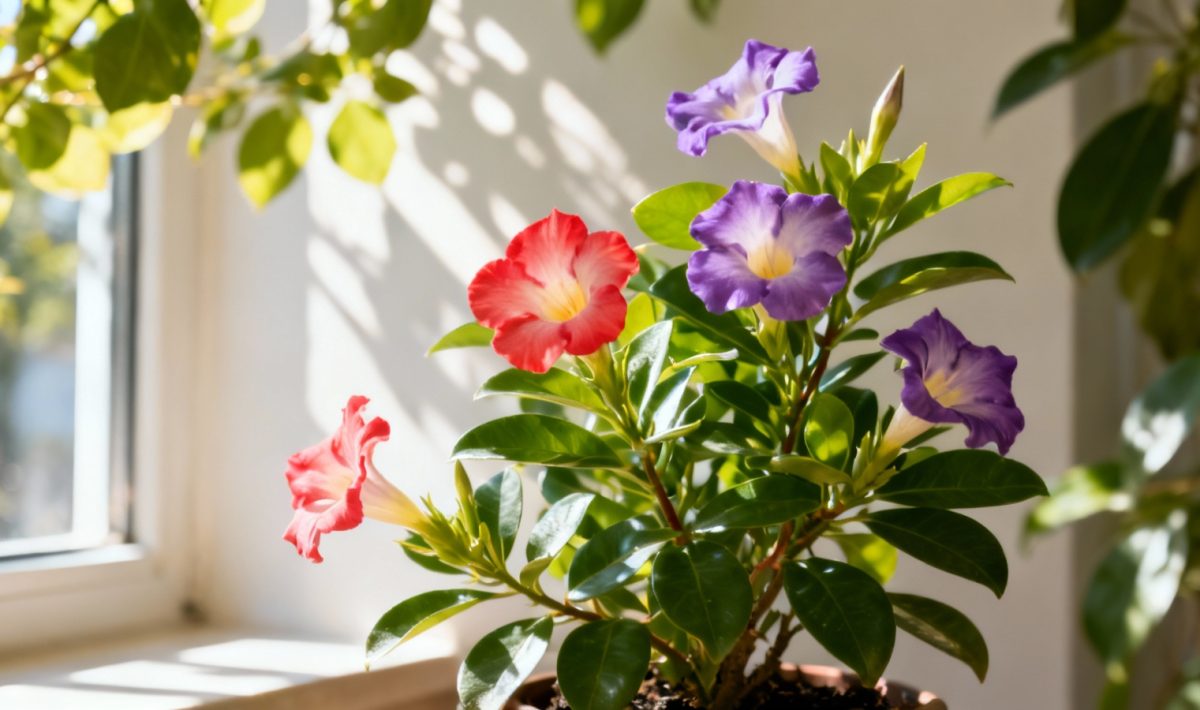
Understanding your porcelainflower’s lighting needs
The porcelainflower, scientifically known as Hoya bella, is a stunning tropical plant that will captivate you with its delicate, waxy blooms. This charming houseplant originates from Southeast Asia and has adapted to thrive under the forest canopy, which means it prefers bright, indirect light rather than harsh direct sunlight. Understanding how much sunlight does porcelainflower need is crucial for keeping your plant healthy and encouraging those amazing porcelain-like flowers that give this plant its common name.
Many plant enthusiasts struggle with providing the right amount of light for their Hoya bella, often placing it in spots that are either too dark or too bright. The key is finding that sweet spot where your porcelainflower receives adequate illumination without suffering from leaf burn or becoming leggy from insufficient light.
Optimal light conditions for porcelainflower care
Your porcelainflower thrives best with 4 to 6 hours of bright, filtered sunlight daily. This translates to approximately 2000 to 5000 lux, which you can easily achieve by placing your plant near an east or west-facing window, positioned about 1 to 2 meters away from the glass. Direct morning sun through an east window works well, but you’ll want to protect your plant from intense afternoon rays.
During winter months, when natural light becomes scarce, your porcelainflower will benefit from at least 12 hours of ambient light. If your home doesn’t provide enough natural illumination, consider using LED grow lights with a full spectrum at 6500K temperature. Position these lights 10 to 20 centimeters away from your plant and keep them on for 12 to 14 hours daily.
Keep in mind that different plants have varying light requirements. For example, when considering sunlight requirements for healthy lemon growth, you’ll find that citrus plants generally need more direct sunlight than your porcelainflower.
Indoor growing considerations
When growing your porcelainflower indoors, pay close attention to the type of light filtering through your windows. South-facing windows often provide too much direct sunlight, especially during summer months, which can scorch the delicate leaves. Instead, opt for east or north-facing windows that offer gentler illumination throughout the day.
Sheer curtains or blinds can help diffuse intense light, creating the perfect environment for your plant. You’ll notice your porcelainflower’s leaves maintaining their vibrant green color and waxy texture when they receive appropriate lighting. Signs of proper light exposure include steady growth and the eventual development of those beautiful white star-shaped flowers with their distinctive shape.
Outdoor garden placement
If you’re lucky enough to live in a warm climate where you can grow your porcelainflower outdoors year-round, choose a location that receives morning sun and afternoon shade. A spot under a tree canopy or on a covered porch works wonderfully, as these locations mimic the plant’s natural habitat in tropical forests.
In Canada, particularly in regions like Ontario, outdoor growing is typically limited to summer months. During this time, place your potted porcelainflower in a sheltered location where it can enjoy the warm weather without being exposed to harsh midday sun. Much like how sunlight needs for vibrant garden nasturtium vary from other flowering plants, your porcelainflower has its own specific requirements.
Recognizing proper light exposure
Your porcelainflower will tell you whether it’s receiving the right amount of light through various visual cues. Healthy plants display thick, succulent-like leaves with a deep green color and glossy surface. The stems remain compact, and new growth appears regularly during the growing season.
However, if your plant isn’t getting enough light, you’ll notice the leaves becoming pale or yellowish, and the stems may stretch toward the nearest light source, creating a leggy appearance. This etiolation is your plant’s way of searching for better illumination.
Signs of too much light
Conversely, excessive direct sunlight can cause serious damage to your porcelainflower. Watch for brown or yellow patches on the leaves, which indicate sunburn. The leaves may also appear bleached or develop a reddish tinge when exposed to too much intensity.
If you notice these symptoms, immediately relocate your plant to a location with softer, filtered light. Unlike plants such as optimal sunlight for white clover growth which can tolerate more direct exposure, porcelainflowers are much more sensitive to harsh lighting conditions.
Seasonal lighting adjustments
Throughout the year, you’ll need to make adjustments to accommodate changing light conditions. During spring and summer, when days are longer and sunlight is more intense, your porcelainflower may need protection from the strongest rays while still receiving adequate brightness for photosynthesis and flower production.
As autumn approaches and daylight hours decrease, gradually move your plant closer to windows or supplement with artificial lighting. Winter care requires particular attention, as reduced natural light can slow growth and prevent flowering. This seasonal variation is quite different from what you might experience with other houseplants.
Similar to how healthy growth conditions for cape jasmine require specific seasonal considerations, your porcelainflower benefits from consistent monitoring and adjustment of its light exposure throughout the year.
Creating the perfect indoor environment
To create an ideal growing environment for your porcelainflower, consider the overall lighting setup in your home. North-facing windows provide consistent, gentle light that works well for these plants, while south-facing windows may require some form of light diffusion during peak hours.
Keep your plant away from heat sources like radiators or air conditioning vents, as these can affect both temperature and humidity levels. The combination of proper lighting, consistent temperature, and adequate humidity will encourage your porcelainflower to thrive and eventually reward you with its spectacular blooms.
Troubleshooting common lighting issues
If your porcelainflower hasn’t been blooming, insufficient light is often the culprit. These plants need adequate energy from photosynthesis to produce their intricate flower clusters. Ensure your plant receives consistent, bright indirect light for several months before expecting blooms.
Another common issue is leaf drop, which can occur when plants experience sudden changes in lighting conditions. Always make gradual transitions when moving your porcelainflower to a new location, allowing it time to adjust to different light levels over the course of a week or two.
Consider that different plants in your collection may have varying needs. For instance, ideal sunlight for common purslane differs significantly from your porcelainflower’s requirements, so group plants with similar light needs together for easier care management.
Long-term care and maintenance
Maintaining proper lighting for your porcelainflower is an ongoing process that requires observation and adjustment. Keep a simple log of your plant’s response to different lighting conditions, noting any changes in growth patterns, leaf color, or flowering behavior.
Regular rotation of your plant ensures all sides receive equal light exposure, promoting balanced growth and preventing the plant from leaning toward the light source. Quarter turns every few weeks will keep your porcelainflower looking full and symmetrical.
Remember that patience is key with these plants. Porcelainflowers are slow growers that may take time to establish themselves and begin flowering. With consistent, appropriate lighting and proper care, your plant will reward you with years of beauty and those amazing fragrant blooms that make this species so special. The waxy, star-shaped flowers are truly worth the wait and care you put into providing the right growing conditions.
Allan is a lifelong gardening enthusiast who still gets excited when the first seedlings pop up in spring. With a deep love for nature and a hands-in-the-soil approach, he shares practical tips, plant discoveries, and clever tricks picked up over years of digging, planting, and observing. Whether you’re a new gardener or have a shed full of tools, Allan writes like a neighbor who’s always happy to swap cuttings and stories over the fence.
You can find more about Allan’s work on Malt or connect with him on LinkedIn.