
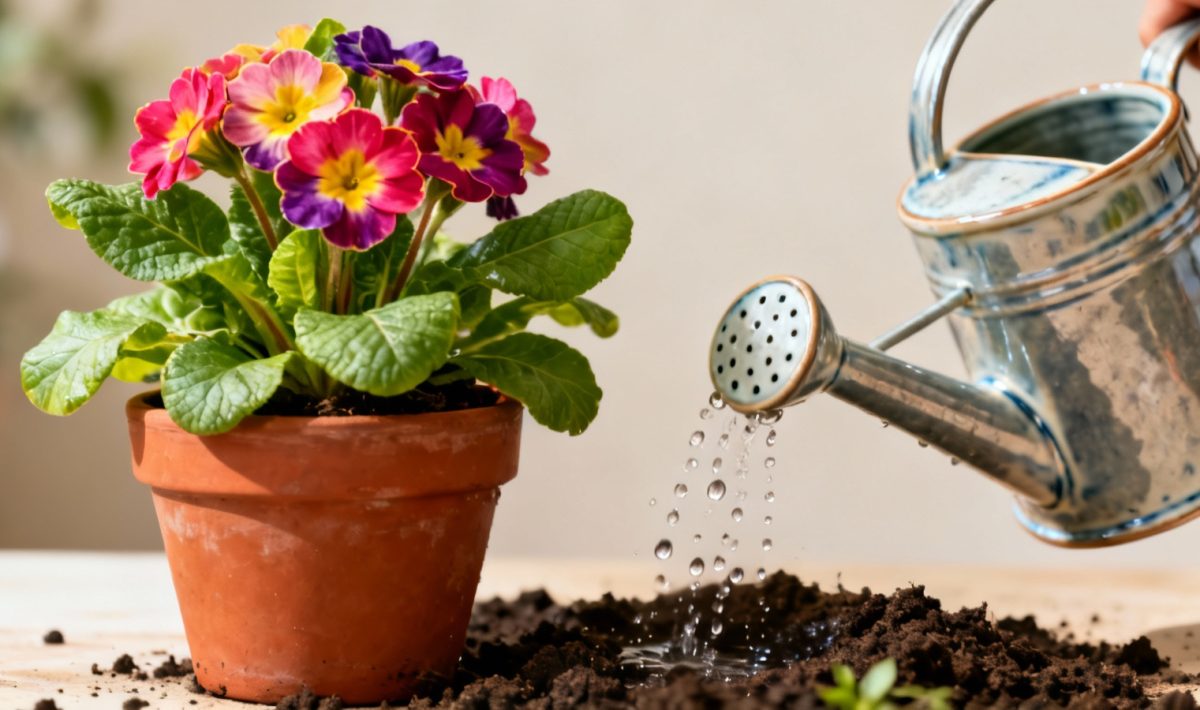
Your porcelainflower, also known as Hoya, needs the right watering schedule to thrive in your home or garden. How often should you water your porcelainflower depends on several key factors, but generally every 2-3 weeks works well for most indoor plants. Understanding these beautiful flowering plants and their water needs will help you create the perfect growing environment.
Understanding your porcelainflower’s water needs
These stunning plants with their waxy white flowers are surprisingly easy to care for once you know their preferences. Your Hoya comes from tropical regions where they grow as epiphytes, meaning they naturally absorb moisture from the air and occasional rainfall. This background explains why they prefer to dry out between waterings rather than staying constantly moist.
The thick, succulent-like leaves of your porcelainflower actually store water, making them quite drought-tolerant. This natural adaptation means overwatering poses a much greater risk than underwatering. When you see those beautiful clusters of star-shaped flowers blooming, you’ll know your watering routine is working perfectly.
Factors that influence watering frequency
Light exposure plays a crucial role in determining how often your plant needs water. Plants in bright, indirect light will use water more quickly than those in lower light conditions. During summer months when daylight hours are longer, you might need to water more frequently than in winter.
The size of your pot matters too – smaller containers dry out faster than larger ones. A well-draining potting mix is essential for healthy growth. Similar to how you would consider watering frequency for Norfolk Island pine, you need to assess your specific growing conditions.
Room temperature and humidity also affect water needs. Warmer homes with dry air will require more frequent watering, while cooler, more humid environments extend the time between waterings. Your plant will tell you what it needs if you know the signs to watch for.
Seasonal watering adjustments
Spring and summer are the growing seasons when your porcelainflower is most active. During these months, check the soil every week and water when the top inch feels dry. This typically means watering every 10-14 days, but always let the soil be your guide rather than sticking to a rigid schedule.
Winter brings a natural slowdown in growth, and your plant needs much less water. Reduce watering frequency to every 3-4 weeks, allowing the soil to dry out more completely between waterings. This rest period is actually beneficial and helps prepare your plant for the next growing season.
Just as you might adjust your approach for optimal watering for gladiolus blooms, your porcelainflower benefits from seasonal awareness in your care routine.
Proper watering technique
When it’s time to water, do it thoroughly. Pour water slowly around the base of the plant until you see it draining from the bottom holes. This ensures the entire root system gets moisture and encourages healthy root development throughout the pot.
Always use lukewarm water rather than cold water straight from the tap. Cold water can shock the roots and stress your plant. Let tap water sit overnight to allow chlorine to evaporate, or use filtered water if your local water is heavily treated.
Empty the drainage tray about 30 minutes after watering to prevent your plant from sitting in standing water. This simple step prevents root rot, which is one of the most common problems with porcelainflower care.
Signs your plant needs water
Your porcelainflower will give you clear signals when it’s thirsty. The leaves may feel slightly softer than usual or look less plump. Some varieties develop a slightly wrinkled appearance on the leaves when they need water. These are normal signs and not cause for alarm.
Stick your finger about an inch into the soil – if it feels dry at that depth, it’s time to water. The top surface of the soil might look dry while deeper layers still hold moisture, so this finger test is more reliable than just looking at the surface.
Understanding these signs helps you develop confidence in your plant care, much like learning watering tips for Tutsan plants – each species has its own way of communicating needs.
Common watering mistakes to avoid
The biggest mistake new porcelainflower owners make is watering too frequently. These plants hate wet feet and will develop root rot if kept constantly moist. Yellow leaves falling off the plant often indicate overwatering rather than underwatering.
Misting the leaves isn’t necessary and can actually cause problems if water gets trapped in the leaf joints. Instead, focus on proper soil watering and consider placing a humidity tray nearby if your home is very dry.
Don’t water on a strict schedule without checking the soil first. Environmental conditions change throughout the year, and your plant’s needs change with them. Flexibility in your approach leads to healthier plants.
Creating the ideal growing environment
Beyond watering, your porcelainflower thrives with bright, indirect light and temperatures between 65-80°F. Good air circulation helps prevent fungal issues while maintaining the humidity these tropical plants appreciate.
Choose a well-draining potting mix designed for houseplants or succulents. Adding perlite or orchid bark improves drainage and creates the airy root environment your Hoya prefers. This setup makes proper watering much easier to achieve.
Consider the growing requirements of other plants in your collection too – best ways to water spearmint differs significantly from porcelainflower needs, so grouping plants with similar requirements makes care more efficient.
If your plant shows signs of stress, examine your watering habits first. Soft, mushy stems or a foul smell from the soil indicates overwatering and possible root rot. In this case, you’ll need to repot in fresh, dry soil and trim away any damaged roots.
Extremely wrinkled leaves or stems that feel hollow suggest severe underwatering. Give the plant a thorough drink and monitor recovery over the next few days. Most porcelainflowers are quite resilient and bounce back quickly from temporary drought stress.
Brown leaf tips might indicate water quality issues or mineral buildup from hard water. Switching to filtered water often resolves this problem. Some growers find success with watering guidelines for loquat trees principles – using rainwater when possible for the purest results.
Long-term success with your porcelainflower
Developing a good relationship with your porcelainflower takes time and observation. Each plant is slightly different, and your growing conditions are unique. Pay attention to how your plant responds to your care and adjust accordingly.
Keep a simple log of when you water and any changes you notice in your plant’s appearance. This helps you identify patterns and refine your timing. Over time, you’ll develop an intuitive sense of when your plant needs attention.
With proper watering and care, your porcelainflower will reward you with those amazing clusters of fragrant, waxy flowers that make these plants so special. The wait is worth it when you see those first blooms appear, often after the plant has matured for several years in your care.

Allan is a lifelong gardening enthusiast who still gets excited when the first seedlings pop up in spring. With a deep love for nature and a hands-in-the-soil approach, he shares practical tips, plant discoveries, and clever tricks picked up over years of digging, planting, and observing. Whether you’re a new gardener or have a shed full of tools, Allan writes like a neighbor who’s always happy to swap cuttings and stories over the fence.
You can find more about Allan’s work on Malt or connect with him on LinkedIn.


