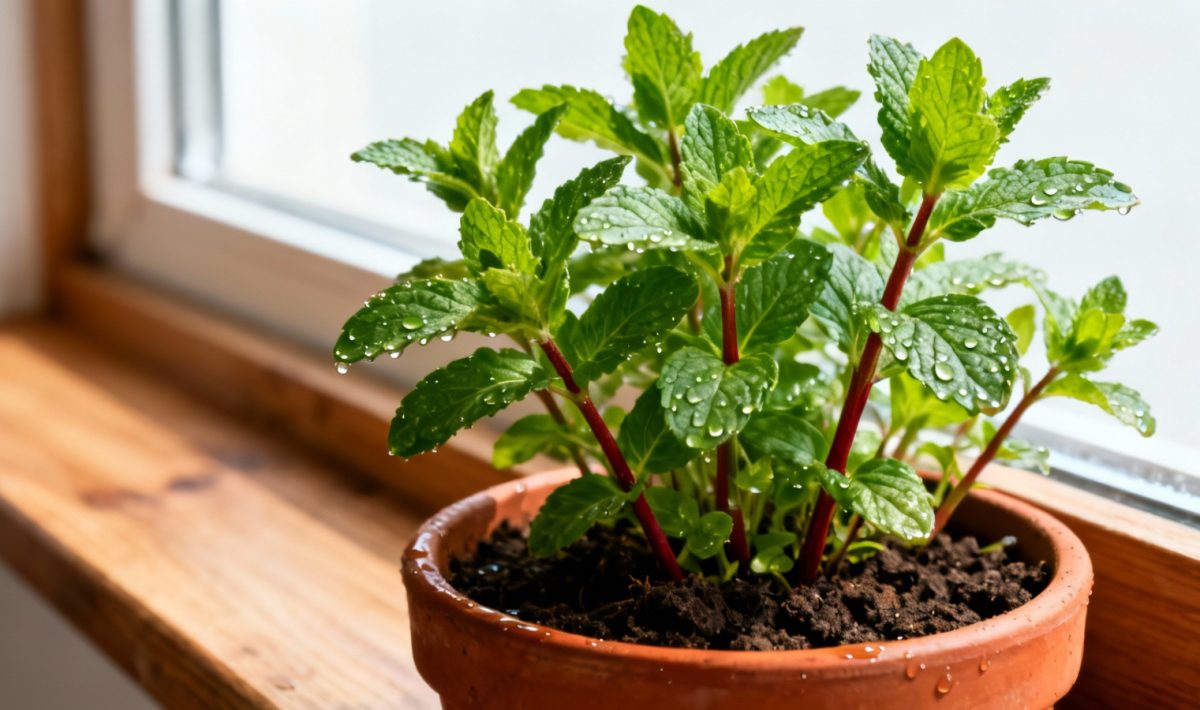
How often should you water your spearmint for thriving plants
Proper watering is absolutely crucial for spearmint success, and getting the frequency right can make the difference between a thriving herb garden and disappointing results. Many gardeners struggle with finding that sweet spot between too much and too little water for their mint plants. Understanding how often should you water your spearmint depends on several key factors that we’ll explore together.
Spearmint has quite different requirements compared to other herbs you might grow in your garden. While Mediterranean herbs like rosemary prefer drier conditions, your spearmint plant actually thrives with consistent moisture. This herb originally comes from wet meadows and stream banks, which explains why it loves water so much.
The general rule for spearmint is to water when the top inch of soil feels dry to the touch. During active growing seasons, this typically means watering every 2-3 days. However, this frequency can vary significantly based on your specific growing conditions and climate.
How often should you water your spearmint throughout the seasons
Spring marks the beginning of active growth for your spearmint plants. During this time, you’ll want to water approximately every 2-3 days, depending on rainfall. The soil should remain consistently moist but never waterlogged, as this can lead to root problems.
Summer brings the highest water demands for your mint. Hot weather and longer days mean your plants will use more water. You might find yourself watering daily during heat waves, especially if your spearmint is growing in containers or receiving full sun exposure.
Fall watering should gradually decrease as temperatures drop and plant growth slows. Reduce watering frequency to every 4-5 days, always checking soil moisture first. Winter care varies by climate, but generally requires minimal watering since most spearmint varieties go dormant.
Essential factors that influence watering frequency
Container-grown spearmint requires more frequent watering than plants growing directly in garden soil. Pots dry out much faster, especially during warm weather. Check your container plants daily and be prepared to water when the top inch feels dry.
Soil type plays a huge role in determining watering needs. Sandy soils drain quickly and require more frequent watering, while clay soils hold moisture longer. Adding organic matter like compost helps improve both drainage and water retention for optimal growing conditions.
Light exposure significantly affects water consumption. Plants in full sun locations will need more water than those growing in partial shade. If you’re also growing other herbs that require different watering schedules, consider learning about watering coriander for fresh and vibrant leaves to better understand herb-specific needs.
Humidity levels in your area also impact watering frequency. Higher humidity means less frequent watering, while dry climates require more attention to soil moisture levels.
Signs your spearmint needs water
Learning to read your plant’s signals helps you provide the best care possible. Slightly wilted leaves are often the first sign that your spearmint is thirsty. The leaves may appear less vibrant and start to droop, especially during the warmest part of the day.
Check soil moisture by inserting your finger about an inch deep into the soil near the plant. If it feels dry at this depth, it’s time to water. This simple test is more reliable than just looking at the soil surface, which can appear dry while deeper layers still hold moisture.
Slower growth and reduced leaf production can also indicate water stress. Healthy spearmint should produce new leaves regularly during the growing season. If growth seems stunted, evaluate your watering routine alongside other care factors.
Proper watering techniques for healthy spearmint
Water early morning or evening to minimize evaporation and reduce stress on your plants. Avoid watering during the hottest part of the day, as this can actually shock the plant and waste precious water through rapid evaporation.
Direct water to the soil around the base of the plant rather than overhead watering. Wet leaves can encourage fungal problems, especially in humid conditions. Use a watering can with a narrow spout or a drip irrigation system for precise application.
Apply water slowly and deeply to encourage strong root development. Quick, shallow watering leads to weak root systems that can’t support healthy plant growth. Similar principles apply when you learn about essential tips for watering rosemary, though the frequency differs significantly.
Avoiding common watering mistakes
Overwatering is just as problematic as underwatering for spearmint plants. Signs of too much water include yellowing leaves, musty odors from the soil, and soft, brown roots. If you notice these symptoms, reduce watering frequency and improve drainage around your plants.
Inconsistent watering creates stress that reduces the quality and quantity of your mint harvest. Try to maintain a regular schedule while remaining flexible based on weather conditions and soil moisture levels.
Optimizing soil drainage and moisture retention
Good drainage prevents waterlogged conditions that can kill spearmint roots. If your garden soil drains poorly, consider adding perlite, sand, or compost to improve soil structure. Raised beds also provide better drainage control for herb growing.
Mulching around your spearmint helps retain soil moisture between waterings. Use organic mulches like straw or shredded leaves, keeping the mulch a few inches away from the plant stem to prevent pest issues.
For those growing larger plants or trees that might shade your herbs, understanding different watering needs becomes important. You might find it helpful to research guidelines for watering your arborvitae if you have larger garden specimens nearby.
Special considerations for different growing situations
Indoor spearmint requires careful attention to humidity and air circulation. Indoor air tends to be drier, especially during heating seasons, which can increase watering needs. Consider using a humidity tray or regular misting to supplement soil watering.
Companion planting can affect watering schedules since different plants have varying water requirements. Group plants with similar needs together to simplify your care routine and ensure each species gets optimal conditions.
If you’re also cultivating fruit plants alongside your herbs, learning about watering tips for healthy loquat growth can help you understand how different plant types require varying care approaches.
Maximizing spearmint health through proper hydration
Consistent, appropriate watering leads to more flavorful leaves and better harvests from your spearmint plants. Well-hydrated plants produce more essential oils, which give mint its characteristic flavor and aroma that you want for culinary use.
Regular watering also supports the perennial nature of spearmint, helping plants establish strong root systems that survive winter conditions and return vigorously each spring. This long-term approach to plant care ensures years of fresh mint for your kitchen.
Monitor your plants closely during their first growing season to establish the best watering routine for your specific conditions. Once you understand your spearmint’s preferences, maintaining healthy plants becomes much easier and more rewarding.
Allan is a lifelong gardening enthusiast who still gets excited when the first seedlings pop up in spring. With a deep love for nature and a hands-in-the-soil approach, he shares practical tips, plant discoveries, and clever tricks picked up over years of digging, planting, and observing. Whether you’re a new gardener or have a shed full of tools, Allan writes like a neighbor who’s always happy to swap cuttings and stories over the fence.
You can find more about Allan’s work on Malt or connect with him on LinkedIn.