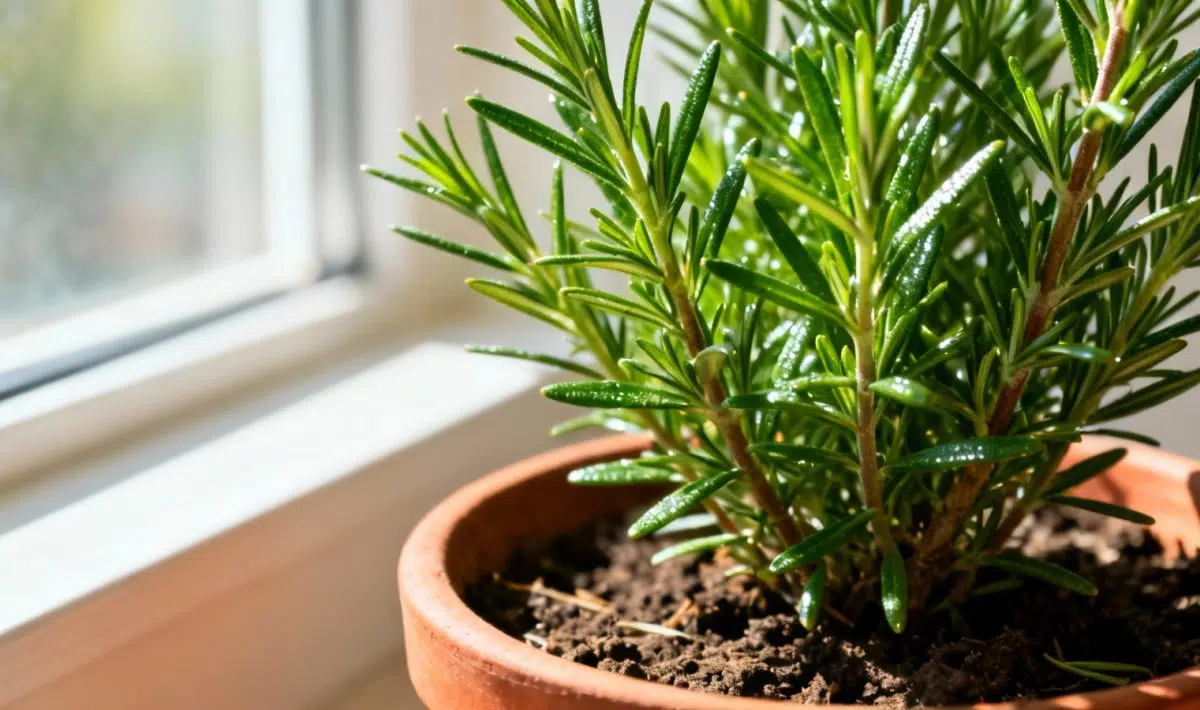
How much sunlight does rosemary need for perfect growth and aromatic leaves
Growing rosemary successfully starts with understanding its fundamental light requirements. This Mediterranean herb thrives in bright conditions and demands specific sunlight exposure to develop its signature aromatic leaves and robust growth. Understanding how much sunlight does rosemary need will help you cultivate healthy, flavorful plants that can enhance your culinary adventures for years to come.
Essential sunlight requirements for rosemary plants
Rosemary plants require a minimum of 6 to 8 hours of direct sunlight daily to reach their full potential. This aromatic herb evolved in sunny Mediterranean climates where intense light exposure is the norm. When your rosemary receives adequate sunlight, it develops dense, fragrant foliage and maintains the robust flavor that makes it so valuable in cooking.
The plant’s photosynthesis process depends heavily on consistent light exposure throughout the day. Without sufficient sunlight, rosemary struggles to produce the essential oils that give it its distinctive aroma and taste. Most successful gardeners place their rosemary plants in the sunniest spots available, ensuring they receive morning sun that continues well into the afternoon.
Just like understanding sunlight requirements for potato plants helps with vegetable gardens, knowing rosemary’s specific needs ensures your herb garden thrives. The key difference is that rosemary can tolerate even more intense light than many other plants, making it perfect for those bright, hot spots where other herbs might struggle.
Different types of light exposure for rosemary
Direct sunlight provides the best conditions for rosemary growth, but understanding the nuances helps optimize your plant’s health. Morning sunlight is particularly beneficial as it helps dry any moisture from the leaves, preventing fungal issues that can plague herbs in humid conditions.
Afternoon sun, while intense, is equally important for rosemary development. The plant uses this energy to concentrate its essential oils, creating those powerful flavors we love in our cooking. However, in extremely hot climates where temperatures exceed 95°F regularly, some light afternoon shade can prevent stress without compromising the plant’s overall health.
Indoor growers can successfully cultivate rosemary using grow lights, but they need to provide at least 10,000 to 20,000 lux for optimal results. Full-spectrum LED lights work best, positioned 12 to 18 inches above the plant and kept on for 12 to 14 hours daily to compensate for the lower intensity compared to natural sunlight.
Factors that influence rosemary’s light needs
Seasonal changes significantly impact how much light your rosemary receives and requires. During winter months, even outdoor plants may need supplemental lighting or relocation to maintain their health. The shorter days and weaker sun angle can stress plants that were thriving during summer months.
Temperature plays a crucial role in how effectively rosemary uses available light. In cooler weather, the plant’s metabolism slows down, so it can manage with slightly less intense light exposure. Conversely, during hot summer months, maximum light exposure helps the plant cope with heat stress by maintaining vigorous photosynthesis.
Soil conditions also affect how well rosemary utilizes sunlight. Well-draining soil allows the plant to focus energy on growth rather than fighting waterlogged conditions. When soil drains properly, rosemary can fully benefit from intense light exposure without developing root problems that might limit its overall health.
Optimizing placement for maximum light exposure
Choosing the right location for your rosemary determines its long-term success. In garden beds, select spots that receive unobstructed southern exposure where buildings or large plants won’t cast shadows during peak daylight hours. Avoid areas near walls or structures that might block afternoon sun.
Container growing offers flexibility for maximizing light exposure throughout the seasons. You can rotate pots to ensure even light distribution and move plants to follow the sun as seasons change. This mobility is particularly valuable in areas with limited sunny spaces or during winter months when optimal spots shift.
For indoor cultivation, south-facing windows provide the most consistent light exposure. However, even the brightest windows rarely match outdoor conditions, so consider this when planning your herb garden. Similar to how ideal sunlight for coriander growth varies with location, rosemary’s needs may require adjustment based on your specific growing environment.
Recognizing insufficient light in rosemary plants
Several telltale signs indicate when your rosemary isn’t receiving adequate sunlight. The most obvious symptom is leggy, stretched growth where the plant reaches desperately toward available light sources. This etiolated growth produces weak stems and sparse foliage that lacks the plant’s characteristic robust appearance.
Leaf color changes often accompany light deficiency in rosemary plants. Instead of the deep green or silver-green hue of healthy plants, light-starved rosemary develops pale, yellowish leaves that may drop prematurely. The remaining foliage typically feels less aromatic when crushed, indicating reduced essential oil production.
Poor flowering is another indicator of insufficient light exposure. Rosemary plants that receive adequate sunlight produce small blue, purple, or white flowers that attract beneficial insects. When light is limited, flowering decreases significantly or stops entirely, reducing the plant’s overall appeal and ecological value in your garden.
Solutions for improving light conditions
Relocating plants to brighter locations is often the most effective solution for light-deficient rosemary. For garden plantings, this might mean transplanting to a sunnier spot, while container plants can simply be moved to receive better exposure throughout the day.
Pruning nearby plants or structures that cast shadows can dramatically improve light availability. Sometimes removing just one overhanging branch or relocating a temporary structure opens up enough additional light to transform a struggling rosemary plant into a thriving specimen.
Supplemental lighting becomes necessary when natural light simply isn’t available in sufficient quantities. LED grow lights have become affordable and effective for indoor herb gardens, allowing you to provide consistent, controlled lighting regardless of weather or season. Understanding these principles applies to various plants, much like knowing sunlight needs of orchard grass helps with lawn management.
Growing rosemary from seeds with proper lighting
Starting rosemary from seeds requires careful attention to lighting from the very beginning. Fresh seeds need consistent warmth and bright light to germinate successfully, though direct sunlight might be too intense for newly sprouted seedlings. A sunny windowsill with some protection from harsh afternoon rays often provides ideal conditions.
Once your seedlings develop their first true leaves, they can gradually handle more intense light exposure. This transition period is crucial for developing strong, stocky plants rather than weak, stretched specimens. Gradually increasing light exposure over several days helps young plants adapt without shock.
Many customers who purchase quality rosemary seeds find that providing optimal lighting from the start results in faster establishment and stronger plants. The investment in proper lighting pays off with healthy herbs that can be harvested within months of planting, providing fresh aromatic leaves for your cooking adventures.
Understanding light requirements is just as important as knowing sunlight for healthy English oak trees when planning your landscape. Each plant has specific needs that, when met, result in vigorous growth and maximum benefits for your garden ecosystem.
Maximizing your rosemary harvest through proper lighting
Well-lit rosemary plants produce more harvestable material throughout the growing season. Plants receiving optimal sunlight develop dense branching that provides multiple cutting opportunities without compromising plant health. Regular harvesting actually encourages bushier growth when plants have adequate light to support new growth.
The essential oil content in rosemary leaves reaches its peak when plants receive full sun exposure. This means your culinary creations will have more intense flavor when you grow rosemary under ideal lighting conditions. Professional chefs often notice the difference between herbs grown in optimal light versus those grown in partial shade.
Dried rosemary from sun-grown plants retains its potency longer than herbs grown in low-light conditions. The concentrated essential oils developed under bright light conditions remain stable during the drying process, giving you aromatic seasoning that maintains its quality for months after harvest.
Allan is a lifelong gardening enthusiast who still gets excited when the first seedlings pop up in spring. With a deep love for nature and a hands-in-the-soil approach, he shares practical tips, plant discoveries, and clever tricks picked up over years of digging, planting, and observing. Whether you’re a new gardener or have a shed full of tools, Allan writes like a neighbor who’s always happy to swap cuttings and stories over the fence.
You can find more about Allan’s work on Malt or connect with him on LinkedIn.