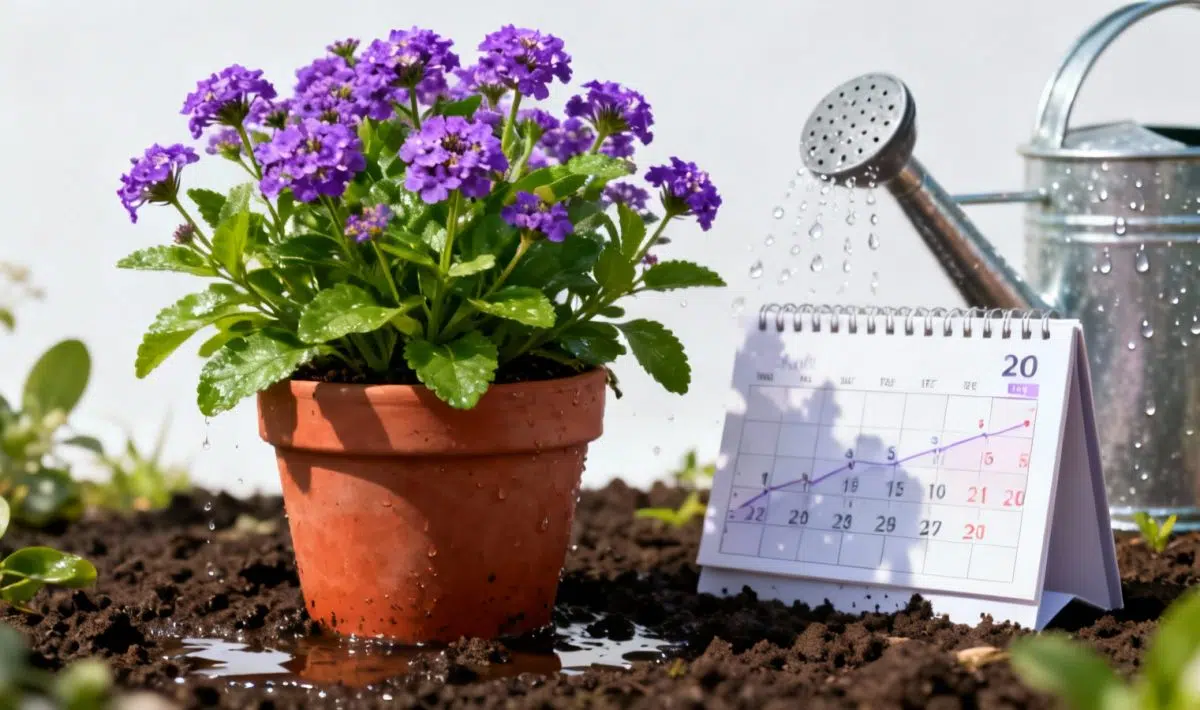
How often should you water your purpletop vervain for thriving blooms
How often should you water your purpletop vervain? This hardy perennial, also known as Verbena bonariensis, brings stunning purple flowers to any garden with relatively simple care requirements. The key to successful growing lies in understanding its water needs, which vary significantly depending on plant age and growing conditions.
Purpletop vervain stands out as one of the most resilient plants for modern gardens. This South American native produces delicate purple blooms atop tall, slender stems that sway gracefully in the breeze. The plant typically reaches heights of 3-6 feet, making it perfect for adding vertical interest to flower beds.
What makes this verbena particularly appealing is its fast growth rate and ability to self-seed readily. Once established, it becomes surprisingly drought-tolerant, much like how proper watering techniques benefit other herbs. For comparison, similar careful attention to moisture levels is needed when you chives need regular watering to maintain their flavor and growth.
The plant’s hardy nature means it can withstand cold temperatures in many regions, often returning each spring from its extensive root system. Its adaptability to various soil types and growing conditions makes it an excellent choice for both novice and experienced gardeners.
Watering frequency for new plants
During the first growing season, your purpletop vervain requires consistent moisture to establish a strong root system. Water newly planted verbena approximately every 10 days during summer months, ensuring the soil remains consistently moist but never waterlogged.
Check soil moisture by inserting your finger about 2 inches deep into the soil around the plant base. If the soil feels dry at this depth, it’s time for a thorough watering session. This initial period typically lasts 8-12 weeks, during which consistent care determines the plant’s long-term health.
For container-grown plants, the watering requirements increase significantly. Potted purpletop vervain needs attention every 3-5 days during active growing periods, as containers dry out much faster than garden soil. Always ensure proper drainage to prevent root rot.
Established plant watering schedule
Once your verbena becomes established, typically after the first full growing season, its watering needs change dramatically. Mature plants demonstrate remarkable drought tolerance and actually prefer periods of slight stress between waterings.
Water established plants only during extended dry periods lasting more than two weeks without rainfall. This approach encourages deeper root development and prevents the common problems associated with overwatering. The plant’s natural resilience shines through when given appropriate growing conditions.
During particularly hot summer months, watch for signs of stress such as wilting during the hottest part of the day. If plants remain wilted in early morning or late evening, additional water may be necessary. However, avoid creating a strict watering schedule that doesn’t account for natural rainfall.
Soil considerations and drainage
The type of soil in your garden significantly impacts watering frequency requirements. Sandy soils drain quickly and may require more frequent watering, while clay soils retain moisture longer but can become waterlogged easily.
Improve heavy clay soil by adding organic matter such as compost or well-aged manure before planting. This amendment enhances drainage while providing essential nutrients for healthy growth. Well-draining soil prevents many common issues that plague poorly drained gardens.
Consider mulching around your plants to retain soil moisture and reduce watering frequency. A 2-3 inch layer of organic mulch helps maintain consistent soil temperature and moisture levels while suppressing competing weeds that might steal water from your verbena.
Seasonal watering adjustments
Spring watering focuses on supporting new growth as temperatures warm and daylight hours increase. Begin regular watering when you notice new shoots emerging from the soil, typically in late spring depending on your location.
Summer requires the most attention, especially for first-year plants and those grown in containers. Hot, dry conditions stress plants more than any other season, making consistent moisture crucial for continued blooming. Just as vegetables like melons require careful attention during peak growing season, similar consideration applies when you need to know about watering watermelon for optimal growth.
Fall watering gradually decreases as temperatures cool and growth slows. Stop regular watering about 4-6 weeks before your average first frost date, allowing plants to naturally prepare for winter dormancy. This hardening process improves cold tolerance.
Signs of proper vs improper watering
Properly watered purpletop vervain displays vibrant purple blooms, strong upright stems, and healthy green foliage. The plants should appear robust and continue producing new flowers throughout the growing season when conditions are optimal.
Overwatering symptoms include yellowing leaves, soft stems, and reduced flowering. Root rot may develop in consistently soggy soil, leading to plant death. These issues are preventable with proper drainage and appropriate watering frequency.
Underwatering signs include premature wilting, brown leaf edges, and reduced bloom production. While established plants tolerate drought well, severe water stress can impact flowering and overall plant vigor. Finding the right balance requires observation and adjustment based on your specific growing conditions.
Best practices for watering success
Water early morning when possible to allow plants time to absorb moisture before heat stress occurs. Avoid overhead watering that wets foliage, as this can promote fungal diseases in humid conditions.
Use a soaker hose or drip irrigation system for efficient water delivery directly to root zones. These methods reduce water waste while providing consistent moisture without wetting leaves. Deep, infrequent watering encourages stronger root systems than frequent shallow watering.
Monitor local weather patterns and adjust watering accordingly. Natural rainfall often provides sufficient moisture, eliminating the need for supplemental watering. Keep a simple garden journal to track watering frequency and plant response over time.
Container growing considerations
Container-grown purpletop vervain requires more intensive watering management than garden-planted specimens. Pots dry out quickly, especially during hot weather, requiring daily attention during peak summer months.
Choose containers with adequate drainage holes and use high-quality potting mix designed for container gardening. Avoid garden soil in containers, as it compacts and drains poorly, leading to root problems. Similar attention to container moisture is important for various plants, including when you water your coriander for fresh leaves in pots.
Consider adding water-retaining crystals to potting mix for containers exposed to intense sunlight. These crystals absorb excess water during irrigation and release it gradually as soil dries, reducing watering frequency while maintaining consistent moisture levels.
Troubleshooting common watering problems
If your verbena appears stressed despite regular watering, check soil drainage first. Poor drainage causes more problems than insufficient water for this hardy plant. Improve drainage by adding coarse sand or perlite to heavy soils.
Plants that wilt immediately after watering may have root rot from previous overwatering. Unfortunately, severely damaged plants rarely recover, but you can prevent future problems by improving soil conditions and adjusting watering practices.
Inconsistent blooming often relates to watering stress during flower development. Maintain steady soil moisture during active growing periods to support continuous bloom production throughout the season. The same principle applies to other garden plants that benefit from consistent moisture, such as when you need proper watering for common mallow during its flowering period.
Long-term care and maintenance
Established purpletop vervain becomes increasingly low-maintenance with each passing year. The extensive root system develops drought tolerance that makes this plant perfect for xeriscaping and low-water gardens.
Allow plants to go to seed if you want natural propagation in your garden. The seeds readily germinate in spring, creating new plants that require the same initial watering attention as first-year specimens. This self-seeding habit makes vervain an excellent choice for naturalistic garden designs.
Regular deadheading promotes continued blooming and prevents excessive self-seeding if desired. However, leaving some seed heads provides winter interest and food for birds while ensuring future plant generations in your garden.
Allan is a lifelong gardening enthusiast who still gets excited when the first seedlings pop up in spring. With a deep love for nature and a hands-in-the-soil approach, he shares practical tips, plant discoveries, and clever tricks picked up over years of digging, planting, and observing. Whether you’re a new gardener or have a shed full of tools, Allan writes like a neighbor who’s always happy to swap cuttings and stories over the fence.
You can find more about Allan’s work on Malt or connect with him on LinkedIn.