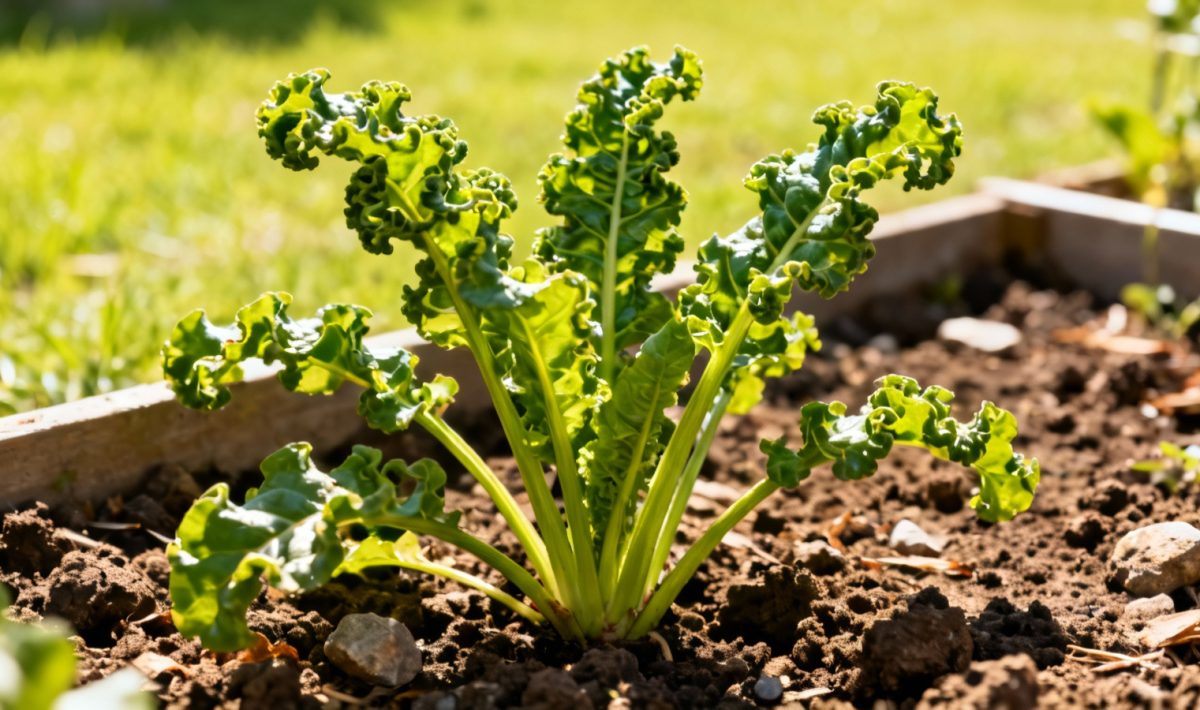
Curly dock, scientifically known as Rumex crispus, is a remarkably hardy perennial that has adapted to various growing conditions across the globe. This robust plant thrives best when provided with at least 6 hours of direct sunlight daily. However, understanding exactly how much sunlight does curly dock need requires exploring its natural habitat and growth patterns more deeply.
The plant’s tolerance for different light conditions makes it incredibly versatile. While it prefers full sun exposure, curly dock can establish itself in partial shade environments, though this may impact its overall vigor and flowering capacity. Just as sunlight requirements for potato plants vary based on growing conditions, curly dock’s light needs can be adjusted depending on your specific garden setup.
Natural habitat and light preferences
In the wild, you’ll typically find curly dock growing in open fields, meadows, and disturbed soils where it receives abundant direct sunlight. This tells us that the plant has evolved to make the most of bright, unfiltered light. When grown in these optimal conditions, curly dock develops its characteristic robust leaves and produces the distinctive seed heads that make it so recognizable.
The plant’s ability to photosynthesize efficiently under full sun allows it to build strong root systems and maintain healthy foliage throughout the growing season. This is particularly important for those interested in harvesting the leaves for culinary or medicinal purposes.
Optimal sunlight conditions for healthy growth
To achieve the best results when growing curly dock, you should aim for 6-8 hours of direct morning and midday sunlight. This exposure pattern allows the plant to maximize its photosynthetic activity during the most intense light periods while avoiding potential stress from excessive afternoon heat in very hot climates.
Morning sunlight is particularly beneficial as it helps dry any dew from the leaves, reducing the risk of fungal issues that can affect plant health. The gentle warming effect of early sun rays also stimulates metabolic processes that support robust growth throughout the day.
Seasonal light variations and adaptations
Curly dock shows remarkable adaptability to seasonal changes in light availability. During spring and early summer, when days are longer, the plant experiences its most vigorous growth phase. This is when adequate sunlight becomes crucial for establishing strong root systems and healthy foliage development.
As autumn approaches and daylight hours decrease, the plant naturally begins to slow its growth and prepare for winter dormancy. This seasonal rhythm demonstrates why consistent light exposure during the active growing months is so important for overall plant health.
Signs of inadequate lighting conditions
When curly dock doesn’t receive sufficient sunlight, several telltale signs become apparent. The most obvious indicator is pale, elongated leaves that appear stretched and weak. This etiolation occurs as the plant desperately reaches toward available light sources.
You may also notice reduced flowering and seed production in plants grown under insufficient light conditions. Just like understanding ideal sunlight for growing coriander helps optimize herb gardens, recognizing these symptoms in curly dock allows for timely adjustments.
Addressing light deficiency issues
If you notice signs of inadequate lighting, consider relocating your curly dock to a sunnier spot in your garden. The plant’s hardy nature means it can tolerate transplanting reasonably well, especially during cooler months when stress levels are lower.
For container-grown plants, simply moving the pot to receive more direct sunlight can make a dramatic difference in plant health within just a few weeks. Monitor the transition carefully and ensure adequate watering during this adjustment period.
Managing excessive sunlight exposure
While curly dock is generally sun-loving, extremely intense sunlight combined with high temperatures can sometimes cause stress. In regions with particularly harsh summer conditions, providing some afternoon shade can help prevent leaf scorch and maintain optimal growth rates.
Look for signs of sun stress such as brown leaf edges, wilting during the hottest part of the day, or overall plant decline despite adequate watering. These symptoms indicate that while the plant needs good light, some protection during peak intensity hours may be beneficial.
Balancing light and other growing factors
Remember that sunlight works in combination with other environmental factors to determine plant health. Adequate soil moisture becomes even more critical when plants receive full sun exposure, as increased photosynthetic activity demands more water for optimal function.
Temperature considerations also play a role in how much direct sunlight your curly dock can handle comfortably. In cooler climates, maximum sun exposure is rarely a problem, while warmer regions may require more careful management.
Companion planting and light considerations
When planning your garden layout, consider how companion plants might affect light availability for your curly dock. Tall plants positioned on the southern side can create unwanted shade, while lower-growing companions can actually help by reflecting additional light upward.
Similar to how optimal sunlight for orchard grass influences pasture management, understanding light dynamics in mixed plantings helps create thriving garden ecosystems. Strategic placement ensures all plants receive their required light levels.
Creating microclimates for optimal growth
You can manipulate light conditions in small areas by using reflective mulches or positioning plants near light-colored walls or fences. These surfaces bounce additional light onto your curly dock, effectively increasing overall light exposure without requiring a different planting location.
This technique is particularly useful in gardens with limited fully sunny areas, allowing you to maximize the growing potential of spaces that might otherwise seem unsuitable.
Seasonal cultivation strategies
Spring planting offers the advantage of gradually increasing light levels as the season progresses, allowing young curly dock plants to acclimate naturally. This timing aligns well with the plant’s natural growth cycle and reduces transplant shock.
For those in regions with harsh winters, understanding how reduced winter light affects dormant plants helps with proper garden planning. While dormant curly dock requires minimal light, planning for spring emergence becomes important for long-term success.
Indoor growing considerations
If you’re growing curly dock indoors or in protected environments, providing adequate artificial lighting becomes essential. Full-spectrum grow lights positioned 12-18 inches above the plants and operated for 12-14 hours daily can supplement natural window light effectively.
Just as sunlight needs of English oak trees demonstrate the importance of proper light planning for different species, indoor curly dock cultivation requires careful attention to lighting schedules and intensity levels.
Maximizing your curly dock harvest
Proper light management directly impacts the quality and quantity of leaves available for harvest. Plants grown in optimal sunlight conditions produce more tender, flavorful leaves with higher concentrations of beneficial compounds.
The timing of harvest also relates to light exposure, as leaves harvested in the morning after a full night of rest often have the best texture and flavor profile. This makes morning sunlight particularly valuable for both plant health and harvest quality.
Regular harvesting of outer leaves actually encourages continued growth and can help maintain plant vigor throughout the season. Combined with proper light exposure, this practice ensures a continuous supply of high-quality curly dock leaves for your culinary and medicinal needs.
Allan is a lifelong gardening enthusiast who still gets excited when the first seedlings pop up in spring. With a deep love for nature and a hands-in-the-soil approach, he shares practical tips, plant discoveries, and clever tricks picked up over years of digging, planting, and observing. Whether you’re a new gardener or have a shed full of tools, Allan writes like a neighbor who’s always happy to swap cuttings and stories over the fence.
You can find more about Allan’s work on Malt or connect with him on LinkedIn.