How much sunlight does cape leadwort need – Complete planting requirements
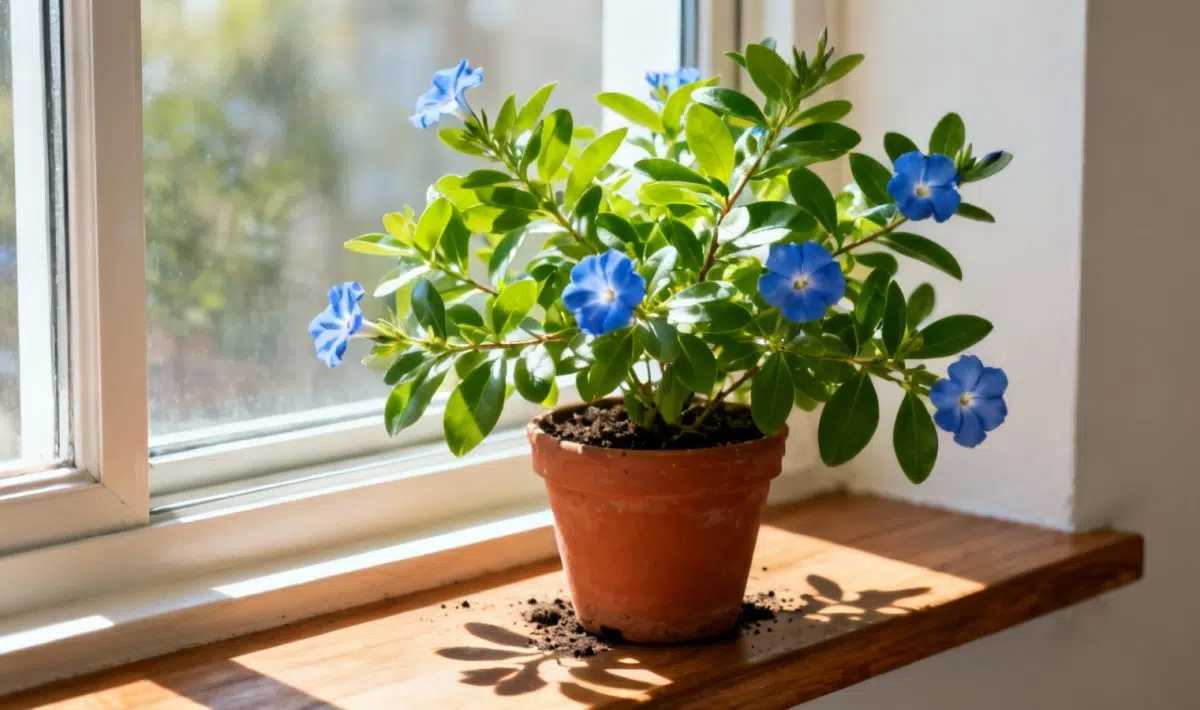
When planning your garden with beautiful blue flowering plants, understanding how much sunlight does cape leadwort need becomes essential for successful cultivation. This vibrant perennial plant, known scientifically as Plumbago auriculata, creates stunning displays of blue flowers that attract pollinators throughout the growing season. With proper light conditions and care, cape leadwort transforms ordinary garden spaces into colorful landscapes filled with continuous blooms.
Cape leadwort thrives best with 6 to 8 hours of direct sunlight daily, though it demonstrates remarkable adaptability to various light conditions. This flexibility makes it an ideal choice for gardeners working with different exposure areas in their outdoor spaces.
Native to South Africa, cape leadwort naturally grows in sunny, warm climates where it receives abundant sunlight. The plant has evolved to flourish under intense sun exposure while maintaining its striking blue flower color. However, unlike some sun-loving plants, cape leadwort shows surprising tolerance for partial shade conditions, making it versatile for various garden designs.
The plant’s adaptability extends beyond just sunlight tolerance. Cape leadwort grows well in different soil types, provided they offer good drainage. This hardy perennial can withstand periods of drought once established, though consistent moisture encourages better flower production and overall plant health.
Optimal sunlight requirements for maximum flowering
For the most abundant flower production, cape leadwort performs best in full sun locations receiving 6 to 8 hours of direct sunlight. Under these optimal conditions, the plant produces masses of vibrant blue flowers from late spring through fall. The intense sunlight helps maintain the flower’s brilliant blue color while encouraging dense, bushy growth.
Morning sunlight proves particularly beneficial for cape leadwort, as it helps dry any moisture on the foliage and reduces disease risks. When planning your garden layout, consider positioning cape leadwort where it receives morning sun and protection from harsh afternoon heat in extremely hot climates.
Partial shade tolerance and performance
While full sun produces the best results, cape leadwort tolerates partial shade remarkably well. In locations receiving 4 to 6 hours of sunlight, the plant continues flowering, though blooms may be less abundant. This shade tolerance makes cape leadwort an excellent choice for gardens with mixed light conditions or areas transitioning from full sun to partial shade throughout the day.
When grown in partial shade, cape leadwort may develop a more open growth habit compared to full sun specimens. The plant tends to stretch slightly toward available light sources, creating an interesting architectural element in shaded garden areas.
Soil and growing conditions for healthy development
Beyond sunlight requirements, cape leadwort needs well-draining soil to prevent root rot and other moisture-related problems. The plant grows successfully in various soil types, from sandy loams to clay soils, provided excess water can drain away. Adding organic matter improves soil structure and provides nutrients that support vigorous growth and flowering.
Cape leadwort demonstrates excellent heat tolerance, making it suitable for hot climate gardens. Much like other sun-loving plants such as those requiring ideal sunlight for garden thyme, this plumbago species thrives in warm temperatures and handles summer heat stress better than many flowering perennials.
Watering and maintenance considerations
Proper watering complements appropriate sunlight exposure for optimal cape leadwort performance. Young plants need regular watering until established, typically requiring moisture once or twice weekly during the first growing season. Established plants show good drought tolerance but benefit from supplemental irrigation during extended dry periods.
Regular pruning encourages continued flowering and maintains plant shape. Remove spent flowers to promote additional bloom production throughout the growing season. In colder climates, cape leadwort may die back to the ground in winter, returning with new growth in spring.
Comparing light needs with other garden plants
Understanding how cape leadwort’s sunlight requirements compare to other garden plants helps with companion planting and garden design. While cape leadwort needs substantial sun exposure, it’s more flexible than many herbs. For instance, plants requiring sunlight requirements for growing catnip often demand similar full sun conditions but may be less tolerant of partial shade situations.
This adaptability makes cape leadwort an excellent choice for mixed perennial borders where light conditions vary. The plant works well alongside other moderate sun requirements plants, creating diverse garden compositions with extended blooming periods.
Seasonal light variations and plant response
Cape leadwort adjusts to seasonal light changes throughout the growing year. During peak summer months, the plant handles intense sunlight well, producing maximum flower output. As daylight hours decrease in fall, flowering gradually diminishes, though the plant may continue producing blooms until the first frost in many regions.
In areas with mild winters, cape leadwort may maintain some foliage year-round, though growth slows significantly. The plant’s ability to adapt to changing light conditions throughout seasons contributes to its reputation as a reliable garden performer.
Planting and establishment tips
When establishing cape leadwort in your garden, choose locations that receive adequate morning sunlight for healthy plant development. Plant spacing affects light penetration to lower foliage, so allow sufficient room between plants for air circulation and light access. Proper spacing also reduces competition for nutrients and water resources.
Consider the mature size of cape leadwort when planning garden layouts. This vigorous grower can reach 3 to 6 feet in height and spread, requiring adequate space to develop properly. Unlike more compact plants such as those needing light needs for woodland strawberries, cape leadwort benefits from generous spacing for optimal sun exposure to all plant parts.
Soil preparation and planting techniques
Prepare planting sites by improving soil drainage and adding organic matter before installing cape leadwort plants. Work compost or well-rotted manure into the planting area to provide nutrients and improve soil structure. Good soil preparation supports healthy root development and enhances the plant’s ability to utilize available sunlight efficiently.
Plant cape leadwort at the same depth it was growing in containers, ensuring the root ball is level with the surrounding soil surface. Water thoroughly after planting and maintain consistent moisture during the establishment period while the plant develops its root system.
Maximizing flower production and garden appeal
To achieve the most impressive display of blue flowers from cape leadwort, combine optimal sunlight exposure with proper cultural practices. Regular fertilizing during the growing season supports abundant flower production, while deadheading spent blooms encourages continued flowering throughout summer and fall.
Cape leadwort’s stunning blue flowers create excellent contrast in garden designs, particularly when combined with plants having different colored blooms or foliage. The plant’s extended flowering period provides reliable color from late spring through fall, making it valuable for maintaining garden interest across growing seasons.
Consider cape leadwort’s vigorous growth habit when designing garden borders and landscape plantings. This robust plant can serve as an anchor specimen in perennial beds or provide reliable background color for smaller flowering plants. Unlike crops requiring specific conditions such as optimal sunlight for wine grapes, cape leadwort offers more flexibility in garden placement while still delivering spectacular results.
Long-term garden benefits
Established cape leadwort plants provide years of reliable flowering with minimal maintenance requirements. The plant’s drought tolerance and adaptability to various light conditions make it an excellent choice for sustainable garden designs. Regular division every few years helps maintain plant vigor while providing new plants for garden expansion or sharing with fellow gardeners.
With proper sunlight exposure and basic care, cape leadwort delivers consistent performance year after year, creating beautiful blue flower displays that enhance any garden setting. This reliable perennial proves its worth through continuous blooms, pollinator attraction, and minimal maintenance demands, making it an ideal choice for both beginning and experienced gardeners seeking dependable flowering plants.
Allan is a lifelong gardening enthusiast who still gets excited when the first seedlings pop up in spring. With a deep love for nature and a hands-in-the-soil approach, he shares practical tips, plant discoveries, and clever tricks picked up over years of digging, planting, and observing. Whether you’re a new gardener or have a shed full of tools, Allan writes like a neighbor who’s always happy to swap cuttings and stories over the fence.
You can find more about Allan’s work on Malt or connect with him on LinkedIn.