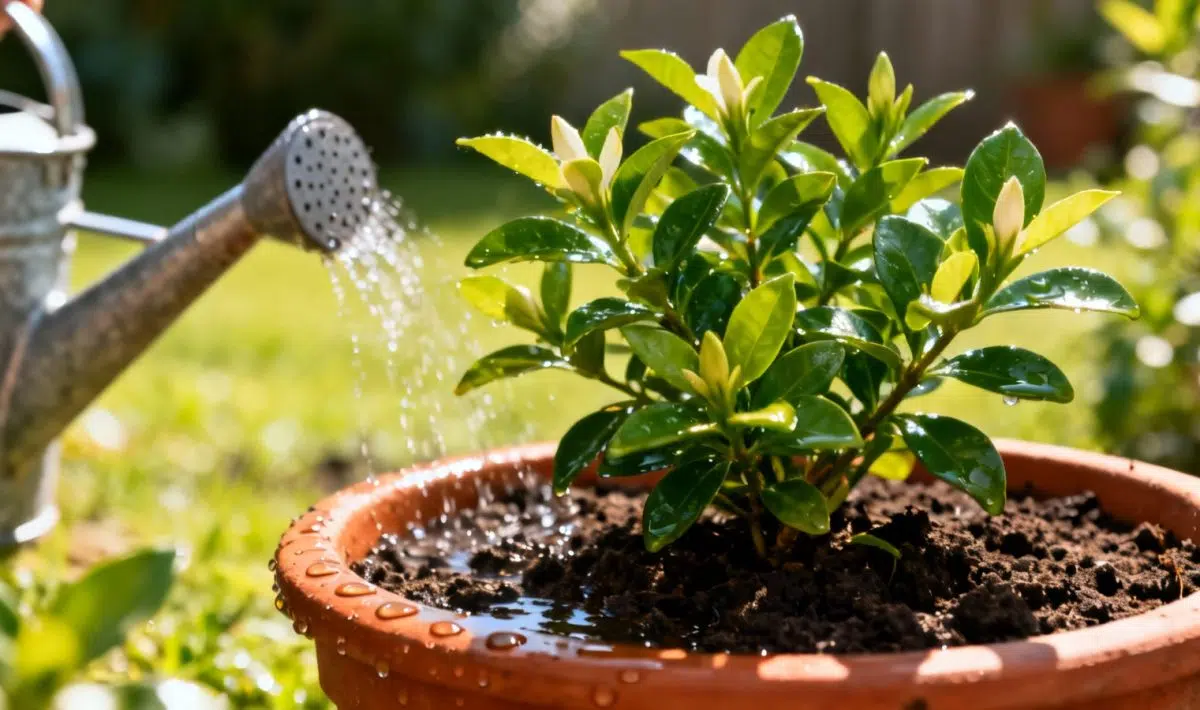
Cape jasmine, scientifically known as Gardenia jasminoides, is a stunning shrub that brings incredible fragrance and beauty to any garden. However, many gardeners struggle with the question: how often should you water your cape jasmine? The answer isn’t as straightforward as you might think, as several factors influence this beautiful plant’s water requirements.
This fragrant shrub originates from Asia and has become a beloved addition to gardens worldwide. With its glossy green leaves and creamy white flowers, the cape jasmine creates an elegant focal point that’s well worth the careful attention it requires. Understanding the proper watering schedule will ensure your plant thrives and produces those magnificent blooms you love.
The key to successful cape jasmine care lies in finding the perfect balance. Too much water can lead to root rot and yellowing leaves, while too little will cause wilting and poor flower production. Let’s explore how to achieve this delicate balance for your gardenia.
Factors that influence cape jasmine watering frequency
Soil type and drainage considerations
Your cape jasmine’s watering needs depend heavily on the type of soil in your garden. Well-draining, slightly acidic soil with a pH between 5.0 and 6.0 is ideal for this shrub. Clay soils retain moisture longer than sandy soils, which means you’ll need to adjust your watering schedule accordingly.
Good drainage is essential because cape jasmine roots are sensitive to waterlogged conditions. If your soil doesn’t drain well naturally, consider amending it with organic matter or creating raised beds. This improvement will help you maintain the consistent moisture levels your plant craves without risking root problems.
Check your soil’s drainage by digging a hole about 12 inches deep and filling it with water. If the water takes more than a few hours to drain, you’ll need to improve drainage before planting or reduce watering frequency for established plants.
Climate and seasonal variations
Weather conditions play a significant role in determining how often you should water your cape jasmine. During hot summer months, your plant will require more frequent watering than in cooler seasons. Similarly, humidity levels affect moisture retention in both soil and plant tissues.
In spring and summer, when growth is active and temperatures are higher, you might need to water weekly or even twice weekly during particularly hot spells. Fall and winter typically require less frequent watering, sometimes extending to every 10-14 days, depending on your climate.
Rain also affects your watering schedule significantly. Keep track of natural precipitation and adjust accordingly. A good rule of thumb is to provide about 19-25 mm (3/4 to 1 inch) of water per week, including rainfall.
Establishing the right watering schedule
The finger test method
The most reliable way to determine when your cape jasmine needs water is through the finger test. Insert your finger into the soil around your plant to a depth of 5-8 cm (2-3 inches). If the soil feels dry at this depth, it’s time to water.
This simple technique is more accurate than watering on a fixed schedule because it accounts for varying weather conditions and soil types. Your cape jasmine prefers consistently moist but not soggy soil, and this method helps you achieve that perfect balance.
For those growing cape jasmine in containers, the finger test is especially important since potted plants dry out faster than those planted in the ground. Container plants might need watering every few days during hot weather, while ground-planted specimens can often go a week between waterings.
Best timing for watering sessions
Early morning is the optimal time to water your cape jasmine. Watering between 6 AM and 10 AM allows the plant to absorb moisture before the heat of the day and reduces the risk of fungal diseases that thrive in humid nighttime conditions.
Evening watering should generally be avoided because wet foliage overnight can promote disease development. However, if morning watering isn’t possible, late afternoon (around 4-5 PM) is acceptable, giving leaves time to dry before nightfall.
Deep, infrequent watering is preferable to frequent shallow watering. This approach encourages deeper root development and makes your plant more drought-resistant over time. When you do water, make sure to thoroughly soak the root zone.
Watering techniques and common mistakes
Proper watering methods
Water your cape jasmine at soil level rather than from above to prevent water from sitting on the leaves. Use a soaker hose, drip irrigation, or water slowly with a hose or watering can directed at the base of the plant.
Apply water slowly to allow proper soil penetration. Quick watering often results in runoff, leaving the root zone inadequately moistened. Take your time and let the water soak in gradually for the best results.
Much like the careful attention needed for other aromatic herbs, such as those detailed in watering rosemary for optimal growth, cape jasmine benefits from consistent, thoughtful watering practices.
Signs of watering problems
Overwatering symptoms include yellowing leaves (especially lower leaves), mushy or dark roots, and a generally unhealthy appearance. If you notice these signs, reduce watering frequency immediately and improve drainage if necessary.
Underwatering manifests as wilting leaves, brown leaf edges, bud drop, and poor flowering. The soil will be noticeably dry, and the plant may appear stressed even in moderate temperatures.
Monitor your cape jasmine regularly for these warning signs. Quick adjustments to your watering routine can prevent serious damage and keep your plant healthy and blooming beautifully.
Seasonal care and adjustments
Spring and summer watering
During the growing season, your cape jasmine will be most active and require consistent moisture. Weekly watering is typically sufficient, but hot, dry spells may necessitate more frequent attention. Always check soil moisture before adding water.
This is also the time when your plant produces its spectacular blooms, making proper hydration especially important. Inadequate water during flowering can result in bud drop and reduced bloom quality.
Consider applying mulch around your cape jasmine during these warmer months to help retain soil moisture and reduce watering frequency. Organic mulches like pine needles or bark chips work well and slowly improve soil quality as they decompose.
Fall and winter considerations
As temperatures cool and plant growth slows, reduce watering frequency but don’t let the soil become completely dry. Your cape jasmine still needs moisture, just less frequently than during active growing periods.
In regions with freezing temperatures, be careful not to water too late in the season if frost is expected. Wet soil can freeze and damage roots. However, going into winter with adequately moist (not waterlogged) soil helps protect the plant.
Indoor cape jasmine plants or those in containers may need more attention during winter months due to heating systems that dry the air and soil more quickly than outdoor conditions.
Companion planting and related care
When planning your garden layout, consider the watering needs of plants you place near your cape jasmine. Some herbs and shrubs have similar moisture requirements, making them excellent companions. For instance, understanding proper watering for arborvitae health can help you create cohesive watering zones in your garden.
Other plants with complementary watering needs include certain herbs that thrive with consistent moisture. Learning about keeping coriander well-watered can provide insights into creating a diverse yet manageable garden watering schedule.
For gardeners interested in expanding their herb collection, resources on watering chives for healthy growth offer valuable information about maintaining various plants with similar care requirements.
Troubleshooting and advanced tips
Dealing with specific challenges
Container-grown cape jasmine plants require more frequent monitoring than those planted directly in the ground. The confined root space means soil dries out more quickly, especially in terra cotta or unglazed ceramic pots.
For hanging baskets or elevated containers, check soil moisture daily during hot weather. These installations are exposed to more air circulation and heat, accelerating moisture loss.
If you’re growing cape jasmine in particularly challenging conditions, you might benefit from learning about other plants that require specialized care, such as essential care for American burnweed, which can provide insights into adapting watering practices for difficult situations.
Long-term plant health
Establishing a consistent watering routine helps your cape jasmine develop a strong, healthy root system. Over time, well-established plants become more drought-tolerant and require less frequent intervention.
Keep detailed records of your watering schedule, noting weather conditions and plant responses. This information becomes invaluable for fine-tuning your approach and achieving the best results year after year.
Remember that patience is key when growing cape jasmine. These beautiful shrubs reward careful attention with stunning blooms and delightful fragrance that makes every effort worthwhile. Your dedication to proper watering will result in a thriving plant that brings joy to your garden for many seasons to come.
Allan is a lifelong gardening enthusiast who still gets excited when the first seedlings pop up in spring. With a deep love for nature and a hands-in-the-soil approach, he shares practical tips, plant discoveries, and clever tricks picked up over years of digging, planting, and observing. Whether you’re a new gardener or have a shed full of tools, Allan writes like a neighbor who’s always happy to swap cuttings and stories over the fence.
You can find more about Allan’s work on Malt or connect with him on LinkedIn.