How much sunlight does rose geranium need for healthy growth and flowering
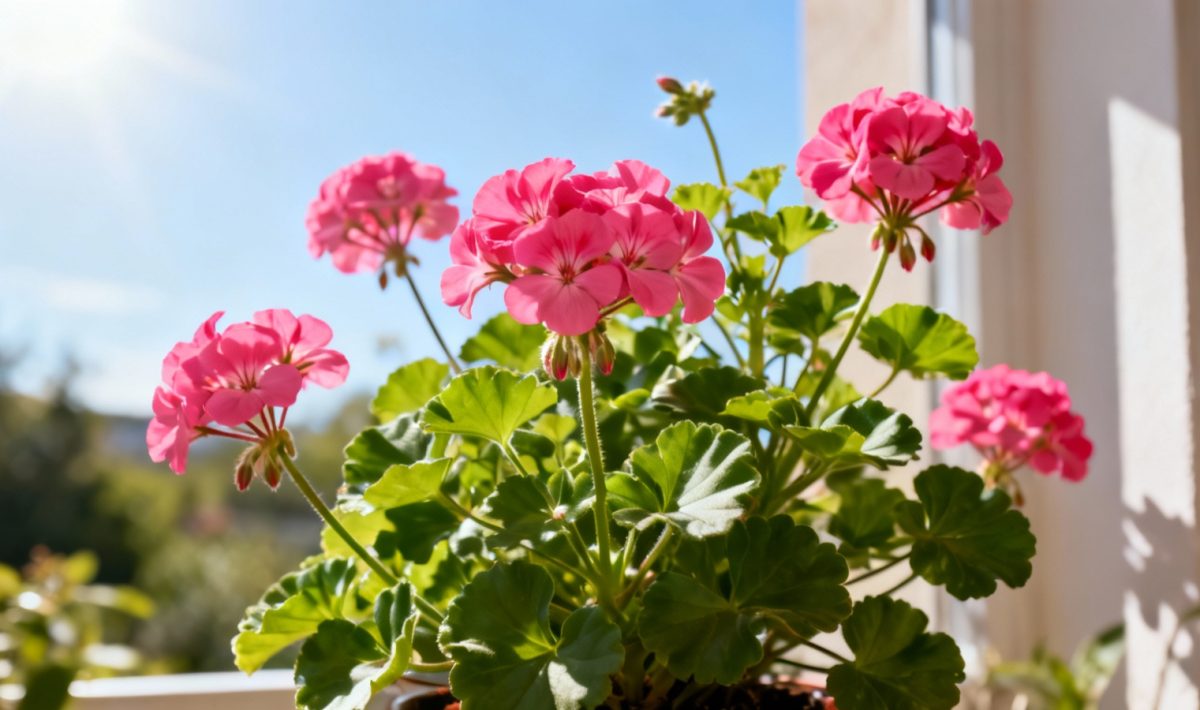
Rose geranium plants are stunning additions to any garden, but understanding their sunlight needs is crucial for success. These beautiful flowering plants require specific growing conditions to thrive and produce their signature pink and white blooms. When you’re planning your garden layout, knowing exactly how much sunlight your rose geranium needs will make all the difference in your planting success.
Essential sunlight requirements for rose geranium plants
Rose geranium plants flourish with at least 6 hours of direct sunlight daily for optimal growth and flowering. This full sun requirement ensures strong stems, vibrant flowers, and healthy foliage throughout the growing season. Much like other sun-loving plants, geraniums respond dramatically to adequate light exposure with more abundant blooms and robust growth patterns.
During peak growing months from spring through summer, your rose geranium plants can handle even more sunlight when soil moisture is maintained properly. The strong morning sun is particularly beneficial for these plants, helping them photosynthesize efficiently while temperatures are still moderate.
Understanding light adaptation in different growing conditions
While rose geraniums prefer full sun, they can adapt to partial shade in extremely hot climates. When temperatures soar above 90°F consistently, providing afternoon shade can prevent leaf scorch and stress. This adaptation makes them versatile for various garden locations and growing zones.
For gardeners in cooler regions, maximizing sunlight exposure becomes even more critical. Position your plants where they receive unobstructed morning and midday sun to compensate for shorter daylight hours. This strategy ensures your flowers develop properly and plants remain vigorous throughout the season.
Planting location selection for optimal sun exposure
Choosing the right spot in your garden sets the foundation for successful rose geranium cultivation. Look for areas that receive consistent sunlight from early morning through mid-afternoon. South-facing locations typically provide the most reliable sun exposure for these flowering plants.
Avoid planting near large trees or structures that cast shadows during peak daylight hours. Even temporary shade can reduce flowering potential and weaken plant structure over time. Consider how seasonal sun patterns change in your garden when selecting the perfect planting site.
Soil preparation and drainage considerations
Well-draining soil becomes crucial when growing rose geraniums in full sun conditions. These plants cannot tolerate waterlogged roots, especially when combined with intense sunlight and heat. Prepare your planting area with loose, fertile soil that allows excess water to drain quickly after irrigation.
Adding organic matter like compost improves both drainage and soil structure. This preparation helps plants access nutrients more efficiently while maintaining proper moisture levels during hot, sunny days. Good soil drainage also prevents root rot issues that commonly affect geraniums in wet conditions.
Watering strategies for sun-exposed plants
Plants grown in full sunlight require consistent watering schedules to maintain healthy growth. Water your rose geraniums deeply but less frequently to encourage strong root development. This approach helps plants become more drought tolerant and better adapted to intense sunlight exposure.
Early morning watering works best for sun-loving geraniums, allowing plants to absorb moisture before heat intensifies. Avoid watering during peak afternoon hours when rapid evaporation reduces water efficiency and can stress plants further.
Seasonal adjustments for changing light conditions
Spring planting requires gradual acclimation to full sunlight, especially for seedlings or indoor-grown plants. Start with partial sun exposure and gradually increase daily light duration over 7-10 days. This hardening process prevents transplant shock and sunburn damage to tender foliage.
During autumn months, rose geraniums can tolerate slightly reduced sunlight as they prepare for dormancy. However, maintaining at least 4-5 hours of direct light helps plants store energy for next season’s growth. In regions with mild winters, continued sun exposure supports year-round flowering potential.
For gardeners interested in comparing sunlight needs across different plant varieties, understanding sunlight requirements for zonal geraniums can provide valuable insights for garden planning. Similarly, those growing diverse sun-loving plants might find it helpful to learn about sunlight needs of desert roses for comprehensive garden design strategies.
Growing from seeds and transplant considerations
Starting rose geraniums from seeds requires careful attention to light exposure as seedlings develop. Young plants need bright, indirect light initially, then gradual introduction to direct sunlight over several weeks. This process ensures strong root systems develop before plants face full sun stress.
When transplanting mature plants, timing becomes critical for sun adaptation. Late spring transplanting allows plants to establish before summer heat peaks. Choose overcast days for transplanting when possible to reduce initial sun stress on disturbed root systems.
Companion planting for enhanced garden design
Strategic companion planting can enhance your rose geranium garden while maximizing sunlight usage. Plant shorter sun-loving annuals around geranium bases to create layered garden designs. This approach utilizes available sunlight efficiently while creating beautiful color combinations throughout growing seasons.
Consider plant spacing carefully to prevent competition for sunlight among neighboring plants. Rose geraniums need adequate air circulation around foliage, which also helps prevent fungal issues in humid conditions. Proper spacing ensures each plant receives optimal light exposure for healthy development.
Gardeners expanding their knowledge of sunlight requirements across various crops might also benefit from understanding optimal sunlight for cucumber plants for vegetable garden planning. Additionally, those incorporating trees into their landscape design can explore sunlight needs for sycamore trees for comprehensive outdoor planning.
Troubleshooting common sunlight-related issues
Insufficient sunlight often manifests as leggy growth, reduced flowering, and pale foliage in rose geraniums. These symptoms indicate plants are stretching toward available light sources and struggling to photosynthesize effectively. Relocating plants to sunnier locations typically resolves these growth issues quickly.
Excessive sun exposure can cause leaf margins to brown and flowers to fade prematurely. In regions with intense afternoon sun, providing temporary shade cloth during peak summer heat protects plants while maintaining adequate light levels. This balance ensures continued flowering without stress damage.
For those interested in diverse growing applications, understanding potato sunlight requirements for growth can provide additional perspective on maximizing garden productivity through proper light management.
Maximizing flowering potential through proper sun exposure
Consistent sunlight exposure directly impacts flower production quality and quantity in rose geraniums. Plants receiving adequate daily sun typically produce more vibrant blooms with stronger stems and longer-lasting flowers. This relationship between light and flowering makes proper placement essential for ornamental success.
Regular deadheading combined with optimal sunlight encourages continuous blooming throughout growing seasons. Remove spent flowers promptly to redirect plant energy toward new bud development rather than seed production. This maintenance practice, when combined with proper sun exposure, extends flowering periods significantly.
Understanding how much sunlight rose geraniums need empowers gardeners to create thriving flower displays. With proper planning, soil preparation, and attention to seasonal changes, these beautiful plants reward careful cultivation with abundant, colorful blooms that enhance any garden space throughout the growing season.
Allan is a lifelong gardening enthusiast who still gets excited when the first seedlings pop up in spring. With a deep love for nature and a hands-in-the-soil approach, he shares practical tips, plant discoveries, and clever tricks picked up over years of digging, planting, and observing. Whether you’re a new gardener or have a shed full of tools, Allan writes like a neighbor who’s always happy to swap cuttings and stories over the fence.
You can find more about Allan’s work on Malt or connect with him on LinkedIn.