
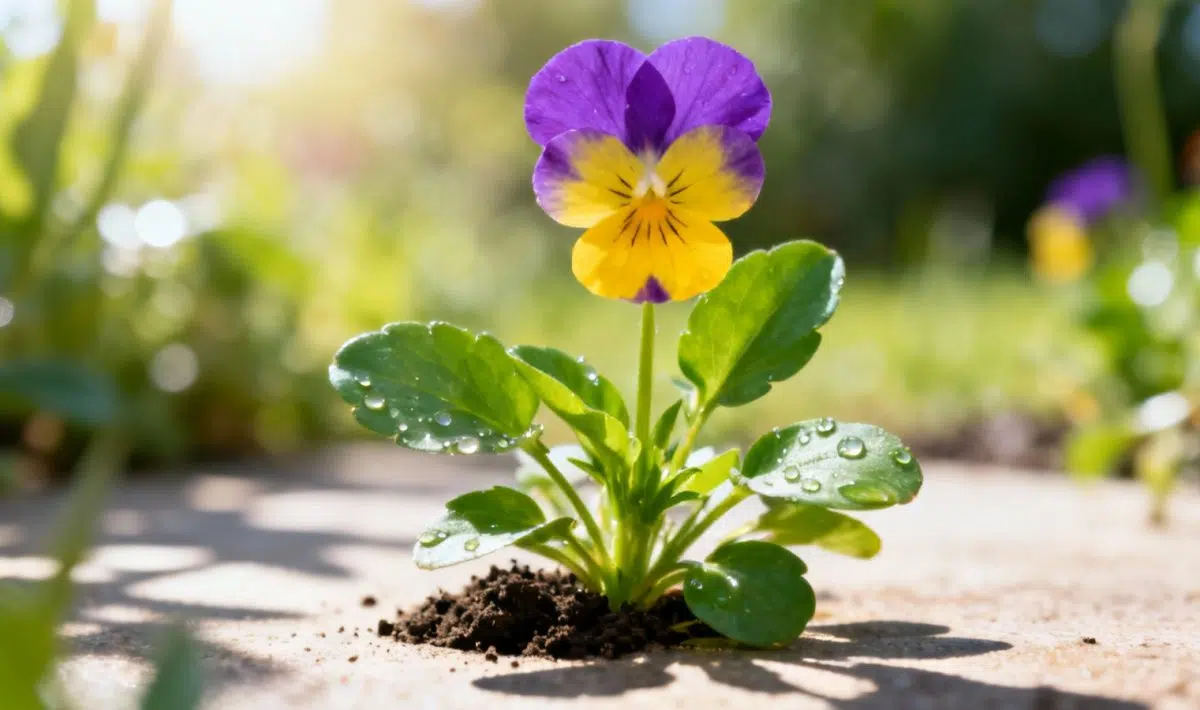
Understanding Johnny jump up and its sunlight requirements
Johnny Jump Up, scientifically known as Viola tricolor, is a charming flower that brings delightful color to any garden. These petite blooms are beloved for their distinctive “faces” and ability to self-seed readily. Understanding how much sunlight does Johnny jump up need is crucial for achieving the best results from your seeds.
This hardy perennial thrives in cooler weather and can tolerate some challenging growing conditions. The flower mix typically produces blooms in purple, yellow, and white combinations that dance gracefully in garden breezes. Many gardeners appreciate them for their low-maintenance nature and quick establishment from seeds.
Johnny Jump Ups serve multiple purposes in garden design. They work excellently as ground cover, edge plantings, or scattered throughout wildflower mixes. Their compact growth habit makes them perfect for containers, window boxes, and small garden spaces where larger plants might overwhelm the design.
Optimal sunlight exposure for vigorous growth
These resilient flowers require approximately 6 hours of direct sunlight daily for optimal blooming. Full sun to partial shade conditions work well, though morning sun with afternoon shade proves ideal in warmer climates. The plant adapts remarkably well to varying light conditions, making it versatile for different garden locations.
In cooler zones (USDA 3-5), Johnny Jump Ups benefit from 6-8 hours of full sunlight. This extended exposure helps them grow vigorously and produce abundant blooms throughout their growing season. The seeds germinate reliably when planted in sunny locations with good air circulation.
Warmer regions (zones 6-9) require more careful light management. Four to six hours of morning sun followed by afternoon shade prevents heat stress and extends the blooming period. This approach helps maintain flower quality and prevents the premature decline that can occur with excessive heat exposure.
Growing conditions and care requirements
Successful cultivation depends on more than just sunlight exposure. Well-draining soil with moderate fertility supports healthy root development and consistent blooming. These flowers prefer slightly acidic to neutral soil pH levels, typically ranging from 6.0 to 7.0 for best performance.
Regular watering during dry periods keeps the plants thriving, though they tolerate drought once established. Consistent moisture during germination and early growth stages ensures good establishment from seeds. Avoid overwatering, which can lead to root rot and poor flowering performance.
Johnny Jump Ups benefit from cool, moist conditions similar to those needed by other garden favorites. Much like how optimal sunlight requirements for cucumbers vary by season, these flowers adapt their growth patterns to available light and temperature conditions.
Planting and maintenance tips
Direct seeding in early spring or late fall works best for these hardy flowers. The seeds are small but germinate reliably with consistent moisture and cool temperatures. Many gardeners find that fall planting produces the most vigorous spring blooms.
Deadheading spent flowers encourages continued blooming, though allowing some seed development ensures natural reseeding for next year’s display. These self-seeding habits make them valuable for naturalizing areas where maintenance is minimal but color is desired.
The plants typically reach 6-8 inches in height with a similar spread. Their compact size makes them suitable for front-of-border plantings or mixed container arrangements. Regular fertilization isn’t necessary, as overly rich soil can reduce flowering in favor of foliage growth.
Selecting quality seeds and suppliers
When shopping for Johnny Jump Up seeds, look for reputable sellers with positive customer reviews. Quality seeds should be fresh, properly packaged, and well-described with clear growing instructions. Many online retailers offer good service with fast delivery options for gardening enthusiasts.
Packaged seeds from established companies typically include detailed growing information and expected germination rates. This item is often available through various channels including specialty garden centers, online marketplaces like eBay, and dedicated seed companies with extensive flower selections.
Customer evaluations and seller feedback provide valuable insights into seed quality and service reliability. Look for sellers who offer detailed descriptions, clear photos, and responsive communication. Many buyers appreciate sellers who provide growing tips and support for successful cultivation.
Comparing varieties and mixes
Different Johnny Jump Up varieties offer subtle variations in color patterns and bloom size. Some mixes include additional viola species that complement the traditional tricolor forms. These expanded mixes provide longer blooming periods and more diverse color combinations throughout the growing season.
Understanding light requirements helps when planning garden layouts alongside other plants. Trees that need specific conditions, such as learning about healthy sunlight levels for sycamore trees, can influence where you position these smaller flowers for best results.
Some gardeners prefer selected varieties with specific color combinations, while others enjoy the surprise of mixed seed packets. The choice depends on your garden design goals and whether you want predictable or varied color displays throughout the growing season.
Maximizing garden benefits
These flowers attract beneficial insects including bees and butterflies, making them valuable additions to pollinator gardens. Their early blooming habit provides nectar when few other flowers are available, supporting beneficial insects throughout the growing season.
Johnny Jump Ups work well in companion planting schemes with vegetables and herbs. They can be positioned near crops that need different light conditions, similar to how gardeners must consider sunlight needs for growing potatoes when planning vegetable gardens.
The edible flowers add color and mild flavor to salads and garnishes. This dual-purpose quality makes them particularly valuable in kitchen gardens where beauty and functionality combine. Many gardeners appreciate plants that serve multiple purposes in limited space situations.
Seasonal considerations
Spring and fall provide the best growing conditions for Johnny Jump Ups. They often slow their blooming during hot summer months but resume vigorous flowering when temperatures cool. This natural cycle makes them excellent choices for extending garden color beyond traditional summer blooming periods.
Winter protection isn’t necessary in most climates, as these hardy plants survive freezing temperatures readily. In severe winter areas, a light mulch layer can provide additional protection for overwintering plants. Some gardeners find them blooming through light snow in protected locations.
Planning garden combinations with other shade-tolerant plants creates interesting displays. Flowers that thrive in partial shade, such as those requiring sunlight for vibrant hardy fuchsia blooms, can create complementary color schemes with Johnny Jump Ups in mixed plantings.
Conclusion
Understanding proper sunlight requirements ensures successful Johnny Jump Up cultivation in any garden setting. These versatile flowers adapt to various light conditions while providing reliable color and charm throughout their growing season. With proper planting techniques and quality seeds from trusted suppliers, gardeners can enjoy these delightful blooms year after year through their natural self-seeding abilities.

Allan is a lifelong gardening enthusiast who still gets excited when the first seedlings pop up in spring. With a deep love for nature and a hands-in-the-soil approach, he shares practical tips, plant discoveries, and clever tricks picked up over years of digging, planting, and observing. Whether you’re a new gardener or have a shed full of tools, Allan writes like a neighbor who’s always happy to swap cuttings and stories over the fence.
You can find more about Allan’s work on Malt or connect with him on LinkedIn.


