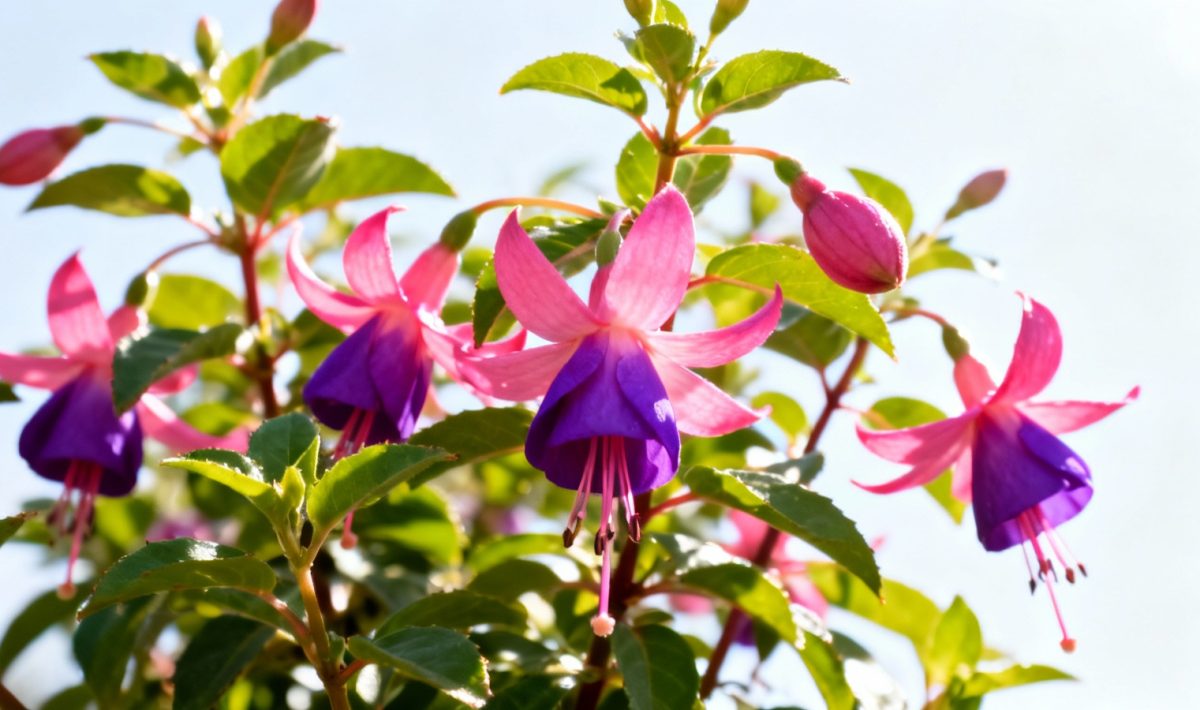
How much sunlight does hardy fuchsia need for beautiful flowers
Hardy fuchsias are remarkable flowering plants that bring stunning color to any garden with their distinctive drooping blooms. Understanding how much sunlight does hardy fuchsia need is crucial for achieving those magnificent pink, purple, and white flowers you’ve been dreaming of. These resilient plants have specific light requirements that differ from many other garden flowers, making proper placement essential for success.
Understanding hardy fuchsia varieties and their light preferences
Fuchsia plants come in numerous varieties, each with unique characteristics that make them perfect additions to different garden settings. Hardy fuchsias, such as the popular ‘Bernisser Hardy’ variety, can withstand cold temperatures while producing abundant flowers throughout the growing season. These organic plants typically feature small, delicate blooms that hang gracefully from green foliage.
Most hardy fuchsia varieties prefer partial shade conditions, thriving when they receive filtered sunlight rather than direct, harsh rays. This preference stems from their natural habitat, where they originally grew under forest canopies. When choosing seeds or plants for your garden, consider varieties that suit your specific light conditions.
The key difference between hardy and tender fuchsias lies in their cold tolerance. Hardy varieties can survive freezing temperatures when properly established, making them excellent long-term investments for your garden. These plants are not genetically modified (non-GMO) and maintain their natural characteristics when grown from quality seeds.
Optimal sunlight conditions for healthy fuchsia growth
Hardy fuchsias perform best with 3 to 6 hours of indirect sunlight daily, preferably receiving morning sun followed by afternoon shade. This lighting schedule allows the plant to photosynthesize effectively while protecting delicate flowers from scorching heat. Too much direct sunlight can cause leaf burn and reduce flowering, while insufficient light leads to weak, leggy growth.
Morning sunlight is particularly beneficial because it’s gentler and helps dry morning dew from leaves, reducing disease risk. When plants receive harsh afternoon sun, they often wilt and require more frequent watering. You can create ideal conditions by planting fuchsias near taller plants or structures that provide natural shade during peak heat hours.
Just as understanding light conditions for healthy potato plants helps with vegetable gardening, knowing fuchsia light requirements ensures beautiful flower production. The right balance of light and shade encourages continuous blooming from late spring through early fall.
Signs of proper versus improper light exposure
Well-positioned fuchsias display vibrant green foliage and produce numerous flower buds throughout the growing season. The flowers maintain their rich colors and hang gracefully without wilting during normal weather conditions. Healthy plants also show steady growth and develop strong root systems.
Conversely, fuchsias receiving too much direct sunlight often show yellowing or browning leaf edges, with flowers that fade quickly or drop prematurely. Plants in overly sunny locations frequently appear stressed and require constant watering. On the other hand, fuchsias in deep shade may grow tall and spindly with few flowers, indicating they need more light.
Planting and caring for your fuchsia collection
When planting fuchsia seeds, start them indoors 10-12 weeks before your last frost date. These small seeds require consistent moisture and warm temperatures for germination. Use a quality seed starting mix and keep soil lightly moist but not waterlogged. Germination can take 2-4 weeks, so patience is essential.
Young fuchsia plants benefit from gradual acclimatization to outdoor conditions. Begin by placing them outside for short periods in a sheltered location, gradually increasing exposure time over a week. This process, called hardening off, helps prevent transplant shock and ensures strong establishment.
Similar to how sunlight requirements for growing cucumbers vary by variety, different fuchsia cultivars may have slightly different needs. However, most hardy types flourish with consistent care and proper positioning in the garden.
Essential care tips for thriving fuchsias
Regular watering is crucial for fuchsia health, as these plants prefer consistently moist but well-draining soil. Water deeply when the top inch of soil feels dry, typically every 2-3 days during warm weather. Mulching around plants helps retain moisture and keeps roots cool.
Fertilizing every 2-4 weeks during the growing season encourages abundant flowering. Use a balanced, water-soluble fertilizer at half strength to avoid burning delicate roots. Deadheading spent flowers regularly promotes continuous blooming and prevents the plant from setting seed prematurely.
Understanding light needs extends beyond fuchsias to other garden plants, such as learning about optimal sunlight for sycamore trees when planning your landscape. Proper plant placement ensures each species receives appropriate growing conditions.
Maximizing flower production and plant health
Hardy fuchsias reward proper care with months of spectacular blooms. The key to success lies in providing consistent conditions rather than perfect ones. These adaptable plants can adjust to various garden situations when their basic needs are met.
Pinching growing tips when plants are young encourages bushy growth and more flowering sites. This technique, performed when plants reach 4-6 inches tall, creates fuller, more attractive specimens. Continue pinching until 6-8 weeks before you want flowers to appear.
Just as tutsan’s sunlight needs for growth require specific attention, fuchsias benefit from thoughtful positioning in your garden design. Consider their mature size and spreading habit when selecting planting locations.
Seasonal care considerations
During autumn, hardy fuchsias begin preparing for winter dormancy. Reduce watering frequency and stop fertilizing to help plants harden off naturally. In colder regions, apply a thick mulch layer around the base to protect roots from freezing.
Spring brings new growth from the crown of established hardy fuchsias. Remove any winter-damaged stems and begin regular care routines as temperatures warm. New growth often appears late in spring, so don’t worry if your plants seem slow to emerge.
Understanding light requirements for various plants, including greater periwinkle’s sunshine essentials, helps create a well-balanced garden where each plant thrives in its preferred conditions.
Creating the perfect environment for fuchsia success
Successful fuchsia growing depends on understanding that these plants prefer conditions similar to their native cloud forest habitat. This means providing bright, filtered light rather than intense direct sun. Morning sun followed by afternoon shade creates ideal conditions for robust growth and abundant flowering.
Consider companion planting with other shade-loving plants to create natural microclimates. Hostas, ferns, and begonias make excellent neighbors that share similar light and moisture requirements. This approach creates visually appealing garden combinations while providing mutual benefits.
Quality seeds from reputable suppliers ensure you’re starting with healthy, viable plants. Look for organic, non-GMO varieties that maintain the natural characteristics fuchsia lovers have cherished for generations. With proper delivery and storage, these seeds remain viable for several years.
Remember that fuchsia care is a journey of discovery. Each garden presents unique challenges and opportunities, and observing your plants’ responses helps you fine-tune their growing conditions. With patience and attention to their light requirements, your hardy fuchsias will reward you with stunning displays of colorful flowers for years to come.
Allan is a lifelong gardening enthusiast who still gets excited when the first seedlings pop up in spring. With a deep love for nature and a hands-in-the-soil approach, he shares practical tips, plant discoveries, and clever tricks picked up over years of digging, planting, and observing. Whether you’re a new gardener or have a shed full of tools, Allan writes like a neighbor who’s always happy to swap cuttings and stories over the fence.
You can find more about Allan’s work on Malt or connect with him on LinkedIn.