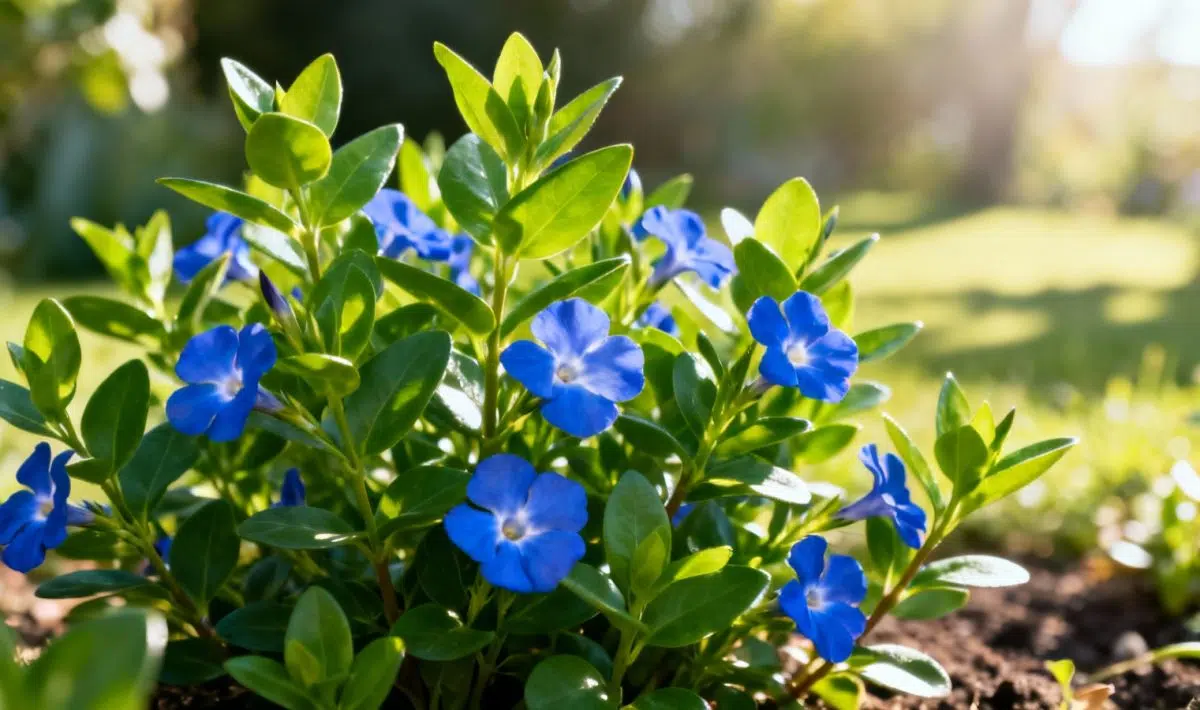
How much sunlight does greater periwinkle need for healthy growth
When it comes to growing beautiful periwinkle flowers in your garden, understanding their sunlight needs is absolutely crucial for success. Greater periwinkle (Vinca major) is a charming ground cover that produces stunning purple flowers, but getting the light conditions just right makes all the difference between a thriving plant and a struggling one.
Greater periwinkle prefers a sweet spot when it comes to sunlight exposure. These resilient plants thrive best with 3 to 6 hours of direct sunlight daily, though they’re quite forgiving if you can’t provide perfect conditions. What’s particularly wonderful about vinca is its adaptability – it can handle everything from full sun to partial shade with remarkable grace.
In my experience, the key is finding that balance where your periwinkle gets enough light to produce those gorgeous flowers without becoming stressed from too much intense sun. Just like understanding sunlight requirements for cucumbers, each plant has its sweet spot for optimal growth.
The plant actually prefers morning sunlight paired with afternoon shade in particularly hot climates. This protects the delicate flowers from scorching while still providing enough energy for robust growth and blooming.
Optimal growing conditions for periwinkle success
Beyond just sunlight, your vinca needs the right combination of conditions to truly flourish. Moist, well-draining soil paired with appropriate light creates the perfect environment for these hardy plants to spread and bloom abundantly.
When selecting seeds for your garden, look for varieties that match your specific light conditions. Some periwinkle cultivars are more shade-tolerant, while others absolutely love full sun exposure. Reading the seed packet carefully helps ensure you’re choosing the right variety for your garden’s unique conditions.
Temperature also plays a role in how much sunlight your plants can handle. In cooler climates, vinca can tolerate more direct sun, while in hot southern regions, some afternoon protection becomes essential for preventing stress.
Managing sunlight in different garden areas
Different areas of your garden likely receive varying amounts of sunlight throughout the day. Understanding these patterns helps you position your periwinkle for maximum success. Areas near tall trees or buildings might provide the perfect partial shade environment these plants often prefer.
Consider how seasonal changes affect light patterns too. What seems like full sun in spring might become heavily shaded once trees leaf out completely. Planning ahead prevents disappointment and ensures your vinca has consistent growing conditions.
Similar to how sycamore tree sunlight needs vary with location, periwinkle adapts its growth patterns based on available light, making it quite versatile for different garden situations.
Varieties and their specific light preferences
Not all periwinkle varieties have identical sunlight requirements. Vinca major, the greater periwinkle, generally handles more shade than its smaller cousin Vinca minor. This makes it particularly valuable for those challenging spots where other flowering plants might struggle.
Some cultivars have been bred specifically for low-light conditions, producing flowers even in areas that receive only 2-3 hours of direct sunlight. These shade-tolerant varieties often have deeper green foliage and slightly smaller, but still abundant, blooms.
For gardeners dealing with very sunny, dry areas, heat-tolerant periwinkle varieties can handle 6-8 hours of direct sunlight when provided with adequate moisture. These sun-loving types often produce more flowers and denser growth patterns.
Matching varieties to your garden conditions
Choosing the right periwinkle variety for your specific light conditions saves time and frustration later. If you’re working with a shady corner that gets minimal direct sun, opt for shade-tolerant cultivars that will actually thrive rather than merely survive.
For sunny borders and open areas, heat-tolerant varieties with good drought resistance perform beautifully. These plants often develop into dense, spreading ground cover that suppresses weeds while providing continuous color.
Just as potato growth and sunlight requirements guide vegetable garden planning, understanding your periwinkle’s specific needs helps create a more successful ornamental garden.
Practical planting and care tips
When planting your periwinkle seeds or transplants, timing matters almost as much as location. Spring planting allows plants to establish before summer heat, while fall planting in milder climates gives them a head start for the following year.
Water deeply but infrequently to encourage strong root development. Shallow, frequent watering creates weak root systems that can’t support the plant during periods of stress or intense sunlight.
Mulching around your periwinkle plants helps regulate soil temperature and moisture, making them more resilient to varying sunlight conditions. A 2-3 inch layer of organic mulch works perfectly for most situations.
Monitoring and adjusting care
Watch your plants for signs they’re getting too much or too little sunlight. Excessive sun often causes leaf yellowing or browning, while insufficient light results in leggy growth and fewer flowers.
If your periwinkle seems stressed from too much sun, consider adding temporary shade during the hottest part of the day. Shade cloth or strategically placed larger plants can provide relief while maintaining adequate light for growth.
Conversely, if your plants are stretching toward light sources or blooming poorly, you might need to relocate them to a brighter spot. Understanding light needs for Black-eyed Susan and other flowering plants helps create a cohesive garden design with plants that complement each other’s requirements.
Troubleshooting common sunlight-related issues
Even experienced gardeners sometimes struggle with getting the light balance right for their periwinkle. Yellowing leaves often indicate too much direct sun, especially during the hottest part of summer. Moving plants to a location with morning sun and afternoon shade usually solves this problem.
Poor flowering despite healthy foliage typically means insufficient light. While vinca tolerates shade, it needs adequate sunlight to produce those beautiful flowers that make it such a garden favorite.
Leggy, stretched growth is another clear sign of inadequate lighting. Plants reaching desperately for light sources need either relocation or removal of whatever’s blocking their access to proper sunlight exposure.
Remember that periwinkle is remarkably adaptable once established. With proper attention to their sunlight needs and basic care requirements, these charming plants will reward you with months of beautiful flowers and reliable ground cover that enhances any garden space.
Allan is a lifelong gardening enthusiast who still gets excited when the first seedlings pop up in spring. With a deep love for nature and a hands-in-the-soil approach, he shares practical tips, plant discoveries, and clever tricks picked up over years of digging, planting, and observing. Whether you’re a new gardener or have a shed full of tools, Allan writes like a neighbor who’s always happy to swap cuttings and stories over the fence.
You can find more about Allan’s work on Malt or connect with him on LinkedIn.