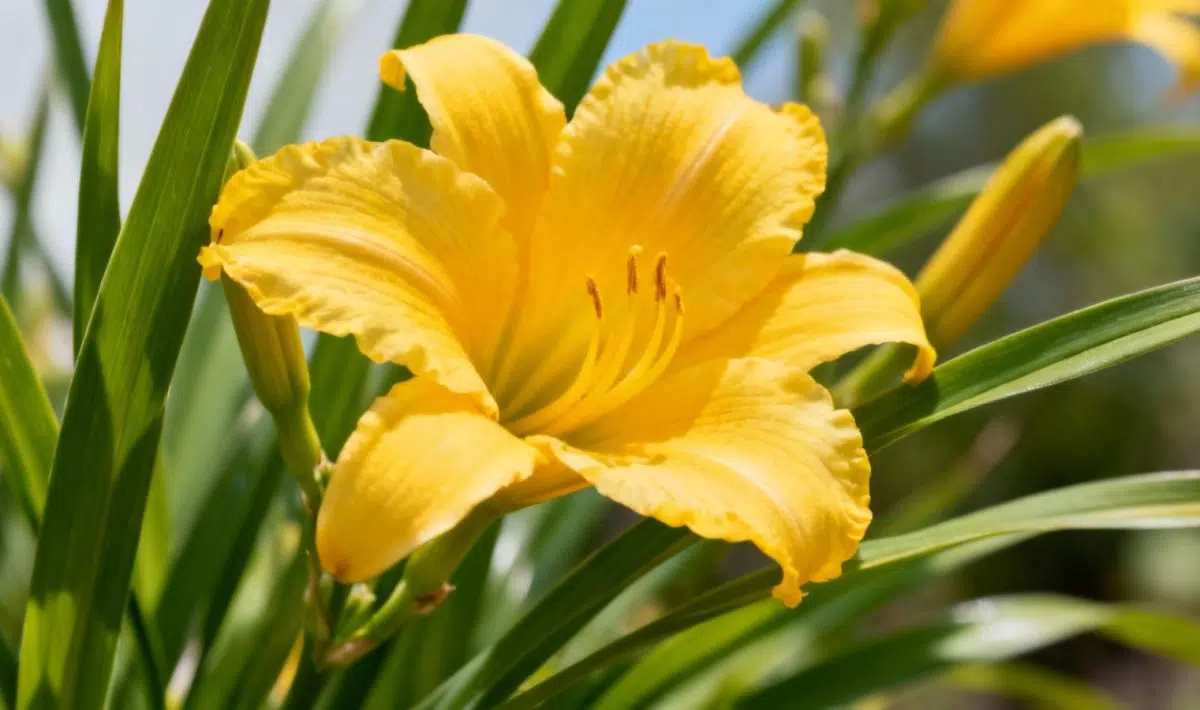
How often should you water your yellow daylily for optimal blooms
Yellow daylilies are among the most rewarding flowers you can grow in your garden, but getting their watering schedule right makes all the difference between mediocre blooms and spectacular displays. These resilient hemerocallis plants have specific water needs that change throughout the growing season, and understanding these requirements will help you achieve the vibrant, long-lasting blooms that make these plants so beloved by gardeners worldwide.
Understanding your yellow daylily’s water requirements
Yellow daylilies, or hemerocallis as they’re scientifically known, are surprisingly drought-tolerant once established, but they perform best with consistent moisture throughout their growing season. These plants develop deep root systems that can access water from lower soil levels, yet they still benefit from regular watering to produce their characteristic bright blooms that open fresh each day.
The key to successful daylily care lies in providing deep, infrequent watering rather than frequent shallow applications. This approach encourages strong root development and helps the plant become more resilient during dry periods. For most gardeners, this means watering once or twice per week, depending on your local climate and soil conditions.
During the active growing season from spring through early fall, your yellow daylilies will need approximately one inch of water per week. This includes both rainfall and supplemental irrigation, so it’s important to monitor your local weather patterns and adjust your watering schedule accordingly.
Seasonal watering schedules for optimal growth
Spring marks the beginning of your daylily’s most critical water period. As new growth emerges and flower buds begin forming, consistent moisture becomes essential for proper development. During this time, water your plants twice weekly if rainfall is insufficient, providing deep irrigation that reaches 20-30 cm into the soil.
Summer brings the peak blooming period for most yellow daylily varieties, and maintaining adequate moisture becomes crucial for continuous flower production. Each bloom may only last one day, but with proper watering, your plants will produce dozens of buds throughout the season. During hot summer months, you may need to increase watering frequency to every other day, especially if temperatures consistently exceed 85°F (29°C).
Early morning watering proves most effective during summer, as it allows plants to absorb moisture before the heat of the day while reducing evaporation losses. This timing also helps prevent fungal diseases that can develop when foliage remains wet overnight. Just as you might follow watering tips for healthy arborvitae growth, consistency in timing benefits all garden plants.
Fall watering requirements decrease as temperatures cool and growth slows. However, don’t completely stop watering until the ground freezes, as plants continue developing their root systems well into autumn. Reduce frequency to once weekly, focusing on deep watering sessions that help plants prepare for winter dormancy.
Signs your yellow daylily needs water
Learning to read your plants’ signals helps you fine-tune your watering schedule beyond general recommendations. Healthy, well-watered daylilies display vibrant green foliage that stands upright and feels firm to the touch. The leaves should have a slight glossy appearance and show no signs of wilting, even during the hottest part of the day.
Water stress typically appears first in the foliage, with leaves becoming dull or slightly grayish-green before progressing to obvious wilting. You might notice that flower buds fail to open properly or that blooms appear smaller than usual when plants don’t receive adequate moisture. These early warning signs allow you to adjust your watering before serious damage occurs.
Soil moisture provides another reliable indicator of watering needs. Insert your finger 2-3 inches into the soil near your plants – if it feels dry at this depth, it’s time to water. This simple test works better than relying solely on surface appearance, as soil can look dry on top while retaining moisture below. Similar techniques apply when learning how to keep coriander fresh through proper moisture management.
Watering techniques for best results
The method you choose for watering your yellow daylilies can significantly impact their health and blooming performance. Drip irrigation systems provide the most efficient water delivery, applying moisture directly to the root zone while minimizing waste and reducing disease risk. These systems work particularly well for established daylily beds where you want consistent moisture without frequent manual intervention.
Hand watering with a soaker hose or watering wand gives you more control over water placement and volume. Focus the water at the base of each plant rather than overhead watering, which can promote fungal diseases and wastes water through evaporation. Apply water slowly to allow proper soil penetration, avoiding rapid applications that create runoff.
Mulching around your daylilies helps retain soil moisture between watering sessions while regulating soil temperature. Apply a 2-3 inch layer of organic mulch such as shredded bark or compost, keeping it a few inches away from plant crowns to prevent crown rot. This practice reduces watering frequency while improving overall plant health. The same principles that guide ways to water chives effectively apply to maintaining consistent soil moisture for perennial plants.
Avoiding common watering mistakes
Overwatering poses as much risk to yellow daylilies as drought stress, particularly in heavy clay soils that retain moisture for extended periods. Signs of excessive watering include yellowing lower leaves, soft or mushy crowns, and reduced flowering despite healthy-looking foliage. If you notice these symptoms, reduce watering frequency and improve soil drainage if necessary.
Shallow, frequent watering creates weak root systems that struggle during dry periods. Instead of daily light applications, focus on longer, deeper watering sessions that encourage roots to grow downward. This approach builds plant resilience and reduces your long-term maintenance requirements.
Timing mistakes can also impact plant health and your watering efficiency. Avoid watering during the heat of the day when evaporation rates peak, and never water late in the evening when foliage won’t dry before nightfall. These practices waste water and can promote disease problems that compromise plant health. Whether you’re managing daylilies or following watering practices for vibrant Cock’s comb blooms, timing remains crucial for success.
Adjusting for soil type and climate
Your local soil conditions significantly influence how often you should water your yellow daylilies. Sandy soils drain quickly and may require more frequent watering, while clay soils retain moisture longer but can become waterlogged if overwatered. Conduct a simple percolation test by digging a hole and filling it with water – if it drains within a few hours, you have well-draining soil that may need more frequent irrigation.
Climate factors such as humidity, wind, and temperature all affect water requirements. Gardens in hot, windy locations lose moisture more rapidly than those in sheltered, humid environments. High temperatures increase transpiration rates, requiring more frequent watering to maintain plant health and flowering performance.
Regional rainfall patterns also influence your watering schedule. Track local precipitation using a rain gauge, and adjust your irrigation accordingly. Many areas receive adequate spring rainfall but require supplemental watering during summer months. Understanding these patterns helps you develop an efficient, responsive watering routine. The same awareness benefits other flowering plants, such as when learning about ensuring treasure flowers thrive with water.
Maximizing bloom production through proper hydration
Consistent moisture during bud formation proves critical for maximum bloom production in yellow daylilies. These plants typically begin forming flower buds 6-8 weeks before blooming, making spring and early summer watering particularly important. Maintain steady soil moisture during this period to ensure full bud development and vibrant color intensity.
Each daylily bloom lasts only one day, but well-watered plants produce multiple buds on each stem, extending the flowering period for weeks or even months. Proper hydration also influences flower size, with well-watered plants typically producing larger, more impressive blooms than those experiencing water stress.
Different daylily cultivars may have slightly varying water needs, but most yellow varieties perform best with the same general care approach. Monitor individual plants for signs of stress, and adjust watering for any that seem to struggle with your standard routine. The observational skills you develop apply broadly, whether tending daylilies or learning tips for watering oxeye daisies.
Long-term care and establishment
Newly planted yellow daylilies require more frequent watering until their root systems become established, typically taking 6-12 months depending on planting time and growing conditions. During this establishment period, water 2-3 times per week, ensuring the root zone stays consistently moist but not waterlogged.
Once established, mature daylilies become remarkably drought-tolerant and may survive extended dry periods, though flowering quality will suffer without adequate moisture. These hardy perennials can live for decades with proper care, making the initial investment in establishing good watering practices well worthwhile.
Regular monitoring and adjustment of your watering routine ensures your yellow daylilies continue thriving year after year. Keep notes on what works best in your specific garden conditions, and don’t hesitate to modify your approach as plants mature or climate conditions change. With proper attention to their water needs, your yellow daylilies will reward you with spectacular displays of golden blooms that brighten your garden throughout the growing season.
Allan is a lifelong gardening enthusiast who still gets excited when the first seedlings pop up in spring. With a deep love for nature and a hands-in-the-soil approach, he shares practical tips, plant discoveries, and clever tricks picked up over years of digging, planting, and observing. Whether you’re a new gardener or have a shed full of tools, Allan writes like a neighbor who’s always happy to swap cuttings and stories over the fence.
You can find more about Allan’s work on Malt or connect with him on LinkedIn.