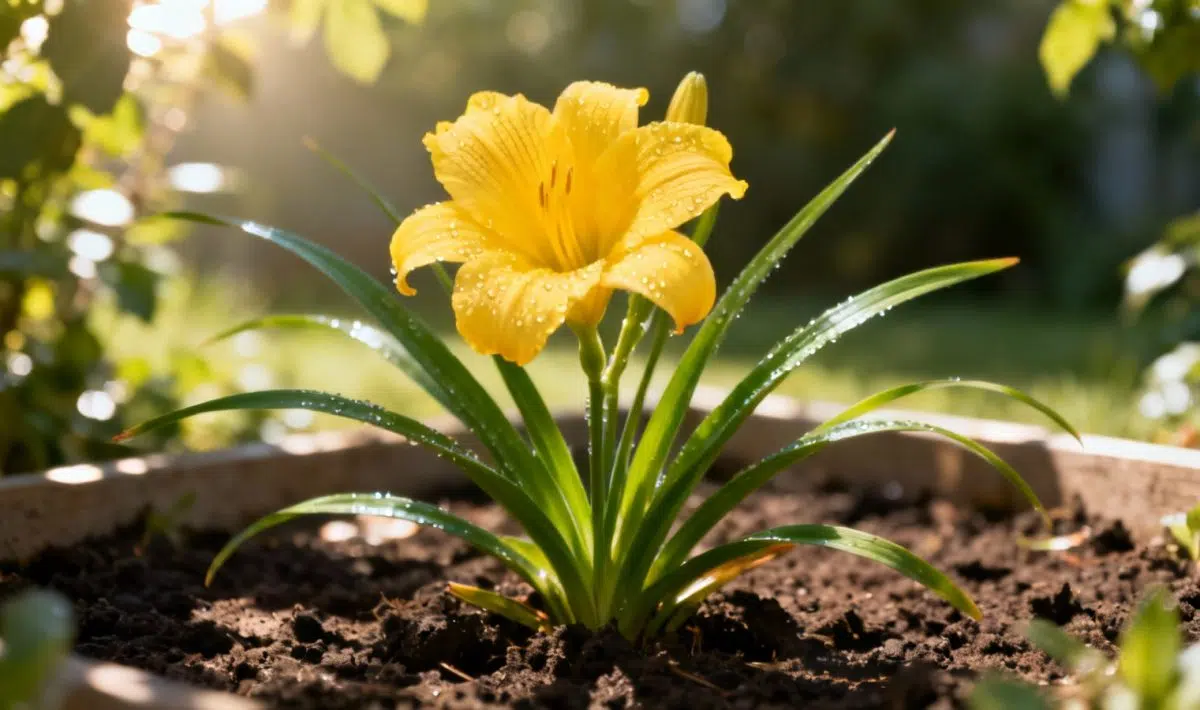
How much sunlight does yellow daylily need for optimal growth and flowering
Yellow daylilies are among the most rewarding perennial flowers you can grow in your garden. These hardy plants, scientifically known as Hemerocallis, have captured gardeners’ hearts with their bright golden blooms and easy-care nature. Understanding their sunlight needs is crucial for achieving that spectacular display of vibrant flowers that makes these plants so special.
Yellow daylilies thrive best with 6 to 8 hours of direct sunlight each day. This full sun exposure ensures optimal flowering performance and helps develop those stunning yellow blooms that gardeners love so much. However, these adaptable plants are quite forgiving and will tolerate partial shade conditions with only 4 to 6 hours of direct sunlight.
When daylilies receive adequate sunlight, you’ll notice several benefits in their growth pattern. The plants develop stronger stems, more abundant flower production, and deeper, more vibrant yellow colors. Morning sunlight is particularly beneficial as it helps dry dew from the leaves quickly, reducing the risk of fungal diseases.
Many gardeners are surprised to learn that while daylilies are very tolerant plants, insufficient light can significantly impact their performance. Plants receiving less than 4 hours of direct sunlight may still survive, but their flowering will be noticeably reduced, and the blooms may appear paler than expected.
Optimal growing conditions for yellow daylilies
Creating the perfect environment for your yellow daylilies involves more than just sunlight considerations. These plants prefer well-draining soil that retains some moisture but doesn’t become waterlogged. A slightly acidic to neutral pH between 6.0 and 7.0 provides the best growing conditions for healthy root development.
When planning your garden layout, consider that daylilies planted in full sun locations will need more consistent watering than those in partial shade. The increased light exposure means more evaporation and higher water requirements. However, the trade-off is worth it for the enhanced flowering display you’ll receive.
Organic matter is crucial for daylily success, as it helps retain moisture while improving soil drainage. Well-composted organic materials worked into the planting area will support healthy growth and provide nutrients throughout the growing season. Just like understanding the sunlight requirements for eggplant growth, knowing your plants’ specific needs makes all the difference in garden success.
Planting and establishment tips
The best time to plant yellow daylilies is in early spring or fall when temperatures are moderate and rainfall is typically more reliable. This timing allows the roots to establish well before facing the stress of summer heat or winter cold. Choose a location that receives your target sunlight hours and has good air circulation to prevent disease issues.
When you purchase daylily plants or divisions, look for healthy specimens with well-developed root systems. Many growers offer quick delivery of quality plants that arrive ready to transplant. Small starter plants can establish just as successfully as larger specimens and are often more affordable for gardeners on a budget.
Dig holes that are twice as wide as the root ball but no deeper than the original growing depth. This approach encourages roots to spread horizontally rather than growing in circles. Water thoroughly after planting and maintain consistent moisture during the first few weeks while roots establish in their new location.
Comparing sunlight needs with other garden plants
Understanding how daylilies compare to other popular garden plants helps with overall garden planning and design. While daylilies are quite adaptable to varying light conditions, some plants have more specific requirements. For instance, learning about sunlight needs of angel’s-wings can help you create complementary plant combinations.
Many vegetables have similar sunlight requirements to daylilies, making them good companion plants in mixed gardens. Root vegetables like those discussed in guides about optimal sunlight for radish plants often thrive in the same sunny conditions that keep daylilies blooming abundantly.
Some gardeners successfully grow daylilies alongside houseplants that spend summer outdoors. Plants with different light tolerances, such as those requiring conditions similar to selloum’s sunlight requirements for growth, can create interesting contrasts in mixed container displays.
Care and maintenance throughout the growing season
Regular maintenance keeps yellow daylilies looking their best all season long. Deadheading spent blooms encourages continued flowering and keeps plants looking tidy. Since each flower lasts only one day, as the name suggests, you’ll have daily opportunities to remove faded blooms and enjoy fresh ones opening.
Fertilization should be moderate and focused on balanced nutrition rather than high nitrogen feeding. Too much nitrogen can result in excessive foliage growth at the expense of flower production. A slow-release organic fertilizer applied in early spring provides steady nutrition throughout the growing season without overwhelming the plants.
Water management becomes increasingly important during hot summer months when plants in full sun locations experience more stress. Deep, infrequent watering encourages deep root growth and helps plants become more drought tolerant over time. Mulching around plants helps retain moisture and regulate soil temperature.
Troubleshooting common sunlight-related issues
When daylilies don’t receive adequate sunlight, several symptoms become apparent over time. Reduced flowering is the most obvious sign, but you may also notice plants becoming leggy as they stretch toward available light sources. The foliage may appear darker green than normal, and flower colors might be less intense than expected.
Conversely, in extremely hot climates, even sun-loving daylilies can benefit from some afternoon shade protection. If leaves appear scorched or flowers fade quickly, consider providing shade during the hottest part of the day. This is particularly important in southern regions where summer temperatures regularly exceed 90°F.
Understanding these nuances helps gardeners adapt their care to local conditions. Some gardeners even grow unusual plants alongside their daylilies, learning about diverse sunlight needs like those of Jimsonweed and its sunlight needs for educational purposes or unique garden displays.
Seasonal considerations and long-term success
Yellow daylilies are perennial plants that return year after year with proper care and appropriate growing conditions. As plants mature, they form larger clumps that produce more flowers each season. This natural progression makes daylilies an excellent investment for long-term garden beauty.
Division every 3 to 5 years keeps plants vigorous and provides opportunities to expand your collection or share with other gardeners. The best time for division is early spring or fall, coinciding with optimal planting conditions. Divided plants will reestablish quickly in their new locations when given proper sunlight and care.
Winter preparation is minimal for established daylilies in most climates. The foliage naturally dies back after frost, and plants enter dormancy until spring growth begins. Some gardeners enjoy growing cool-season crops during winter, such as those requiring conditions similar to successful growth of rutabaga with sunlight, in the same garden spaces.
With proper sunlight exposure and basic care, yellow daylilies will reward gardeners with years of reliable blooming performance. These adaptable plants prove that sometimes the most beautiful garden additions are also among the easiest to grow successfully. Whether you’re a beginning gardener or experienced grower, yellow daylilies offer satisfaction and beauty that grows better with each passing season.
Allan is a lifelong gardening enthusiast who still gets excited when the first seedlings pop up in spring. With a deep love for nature and a hands-in-the-soil approach, he shares practical tips, plant discoveries, and clever tricks picked up over years of digging, planting, and observing. Whether you’re a new gardener or have a shed full of tools, Allan writes like a neighbor who’s always happy to swap cuttings and stories over the fence.
You can find more about Allan’s work on Malt or connect with him on LinkedIn.