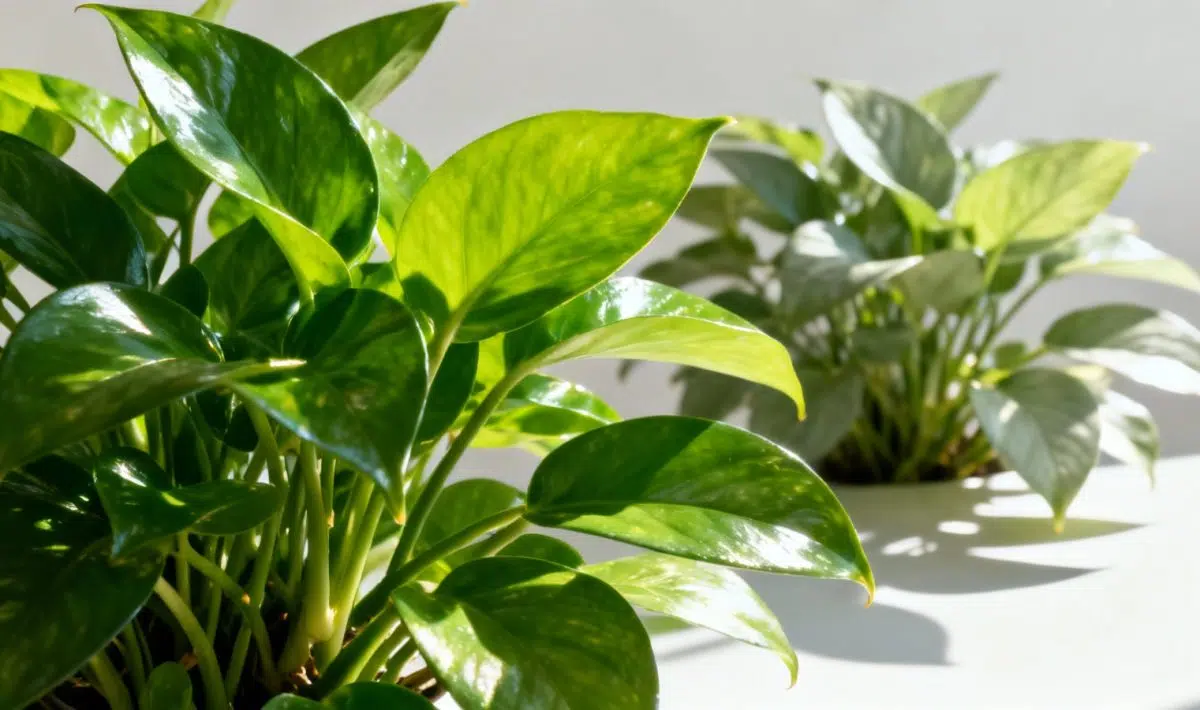
How much sunlight does selloum need for healthy growth
The Philodendron Selloum, also known as Thaumatophyllum bipinnatifidum, has become a beloved tropical houseplant for indoor gardening enthusiasts. Understanding how much sunlight does Selloum need is crucial for maintaining this stunning plant with its characteristic split foliage. This magnificent plant brings a touch of the tropics to your home while being surprisingly adaptable to various lighting conditions.
The Philodendron Selloum originates from the tropical rainforests of South America, where it thrives under the forest canopy. In their natural environment, these plants receive filtered sunlight that penetrates through multiple layers of leaves above. This tropical heritage explains why your indoor Selloum prefers bright, indirect light rather than harsh direct sunlight.
The plant’s distinctive split leaf pattern, which develops as the plant matures, is actually an adaptation to maximize light absorption while reducing wind resistance. Understanding this natural behavior helps us provide optimal care for our indoor specimens.
Optimal sunlight requirements for Selloum plants
Your Selloum thrives best with bright, indirect sunlight for approximately 6-8 hours daily. The ideal light intensity ranges from 2,000 to 6,000 lux, which translates to medium to bright indirect light conditions. This level provides sufficient energy for photosynthesis without causing leaf burn or stress to the plant.
Place your Selloum within 1-3 meters of an east or west-facing window for optimal results. These orientations provide the perfect balance of brightness without the harsh midday sun that can damage the delicate foliage. Just like understanding sunlight requirements for Jimsonweed, each plant species has specific needs that must be respected for healthy growth.
If you only have south-facing windows available, position the plant further back or use a sheer curtain to filter the intense afternoon sun. The key is providing consistent, gentle illumination throughout the day.
Signs your Selloum is receiving proper light
A well-lit Selloum displays vibrant green foliage with deep splits and fenestrations developing as new leaves mature. The plant maintains steady growth with new leaves emerging regularly, typically every few weeks during the growing season. Healthy plants also show strong, upright stems that don’t lean excessively toward light sources.
Proper lighting encourages the development of the plant’s signature split leaf pattern. Young plants may start with solid heart-shaped leaves, but adequate light exposure helps trigger the fenestration process that creates those beautiful architectural splits.
Warning signs of insufficient light
When your Selloum doesn’t receive enough sunlight, several symptoms become apparent. The plant may produce smaller leaves that remain solid without developing splits, even on mature plants. Growth slows significantly, and new leaves may emerge pale or yellowish rather than the rich green color expected from healthy foliage.
Leggy growth is another common indicator, where the plant stretches toward available light sources, creating long spaces between leaves. This etiolation weakens the plant’s structure and reduces its ornamental appeal.
Recognizing too much direct sun
Excessive direct sunlight causes leaf scorching, appearing as brown, crispy edges or yellow patches on the foliage. The leaves may also fade from their normal deep green to a washed-out appearance. Unlike some plants that gradually acclimate to higher light levels, Selloums typically cannot adapt to prolonged direct sun exposure.
If you notice these symptoms, move your plant to a location with filtered light immediately. Similar to how rutabaga sunlight needs for gardening require specific conditions, indoor plants need careful light management to prevent damage.
Indoor placement strategies for optimal lighting
The best indoor locations for your Selloum include spots near bright windows but not in direct sun paths. Consider placing the plant in corners where it receives reflected light from multiple directions, creating even illumination across all the foliage.
Large Selloums work wonderfully as floor plants positioned 2-3 feet from windows, while smaller specimens can thrive on plant stands or tables closer to light sources. Rotate your plant weekly to ensure even growth and prevent it from leaning toward the light.
Seasonal light adjustments
During winter months, you may need to move your Selloum closer to windows or supplement with grow lights. The shorter days and weaker sun intensity can affect plant health if not addressed. Many indoor gardeners find success moving their tropical plants slightly closer to light sources during the darker months.
Spring and summer typically provide adequate natural light, but be cautious of increased sun intensity that might require repositioning your plant further from windows. Just as optimal sunlight for cultivating oregano changes with seasons, your Selloum’s needs may vary throughout the year.
Supplemental lighting options
If natural light is insufficient in your home, LED grow lights can effectively supplement your Selloum’s lighting needs. Full-spectrum LED panels provide the right balance of light wavelengths for healthy growth without generating excessive heat that could damage the plant.
Position grow lights 12-18 inches above the plant canopy and run them for 10-12 hours daily to compensate for inadequate natural light. This setup works particularly well for homes with limited window space or northern exposures.
Timer-controlled lighting systems help maintain consistent light schedules, which tropical plants appreciate. Consistency in lighting helps establish strong growth patterns and prevents stress from fluctuating conditions.
Common lighting mistakes to avoid
One frequent error involves placing Selloums in deep shade areas of the home, thinking they’re low-light plants. While they tolerate partial shade better than many houseplants, they still require bright conditions for optimal growth and leaf development.
Another mistake is sudden light changes, such as moving a plant from a shaded area directly into bright light. Gradual transitions over 1-2 weeks help prevent shock and leaf damage. Understanding light requirements becomes especially important when comparing different plants – for instance, pineapple’s sunlight requirements explained show how diverse plant needs can be.
Neglecting to clean the leaves regularly also reduces light absorption efficiency. Dust accumulation blocks light and reduces photosynthesis, so wipe leaves monthly with a damp cloth to maintain optimal light uptake.
Creating the perfect environment
Beyond just providing adequate sunlight, creating an ideal environment involves considering factors like humidity and air circulation alongside lighting. Tropical plants like the Selloum appreciate humidity levels between 40-60%, which can be maintained through humidifiers or pebble trays.
Good air circulation prevents stagnant conditions that can lead to fungal issues, especially important when plants receive optimal lighting that promotes active growth. Position your plant where it receives gentle air movement but avoid direct drafts from heating or cooling vents.
The combination of proper lighting, appropriate humidity, and good air circulation creates conditions that mirror the plant’s natural tropical habitat. This holistic approach ensures your Selloum not only survives but truly thrives indoors.
Troubleshooting light-related issues
When light problems arise, systematic observation helps identify the root cause. Document changes in leaf color, growth patterns, and overall plant vigor to determine whether adjustments are needed. Photography can help track changes over time that might be subtle day-to-day.
Consider the changing light conditions throughout your home as seasons progress. A spot that provides perfect light in summer might become too dim in winter, requiring seasonal plant relocations or supplemental lighting.
Different plants have varying light tolerances, much like how sweet cherry growth and sunlight requirements differ from indoor houseplants. Understanding these differences helps create better care routines.
Maximizing your plant’s potential
With proper sunlight management, your Selloum can become a stunning focal point in your home. These plants can grow quite large indoors, with mature specimens reaching 3-4 feet in height and width when given adequate light and care.
Regular monitoring and adjustment of light conditions, combined with proper watering and fertilization, ensures your tropical houseplant remains healthy and attractive. The investment in understanding and providing optimal lighting pays dividends in plant health and visual appeal.
Whether you’re growing plants like mock strawberries outdoors or focusing on indoor tropical plants, the principles of proper light management remain essential for success. Your Selloum will reward proper care with years of beautiful, split foliage that brings natural beauty to your indoor space.
Allan is a lifelong gardening enthusiast who still gets excited when the first seedlings pop up in spring. With a deep love for nature and a hands-in-the-soil approach, he shares practical tips, plant discoveries, and clever tricks picked up over years of digging, planting, and observing. Whether you’re a new gardener or have a shed full of tools, Allan writes like a neighbor who’s always happy to swap cuttings and stories over the fence.
You can find more about Allan’s work on Malt or connect with him on LinkedIn.