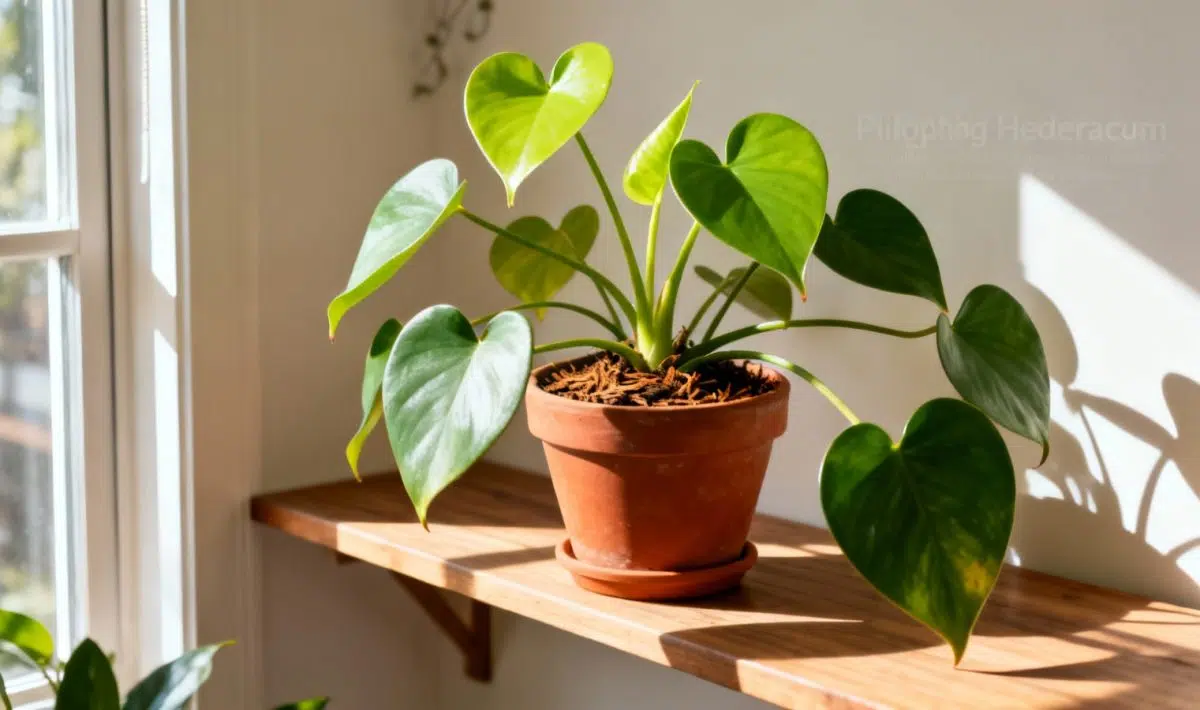
Heartleaf philodendron care: essential tips for growing Philodendron hederaceum indoors
The heartleaf philodendron (Philodendron hederaceum) has become one of the most beloved houseplants for good reason. This charming tropical native from Central America brings lush greenery to any indoor space while being incredibly forgiving to novice plant parents. With its distinctive heart-shaped leaves and trailing growth habit, this philodendron transforms ordinary rooms into vibrant living spaces.
Whether you’re just starting your indoor gardening journey or looking to expand your plant collection, understanding proper care techniques will ensure your heartleaf philodendron thrives for years to come. From ideal lighting conditions to successful propagation methods, mastering these fundamentals opens the door to a rewarding relationship with this exceptional plant.
Understanding the heartleaf philodendron’s characteristics
This remarkable plant showcases glossy, deep green feuilles that emerge in perfect heart shapes, giving it its common name. Young plants typically start at about 6 inches in height, but don’t let their modest beginnings fool you. With proper care, these vigorous growers can develop trailing vines reaching up to 10 feet in length, making them perfect for hanging baskets or training up moss poles.
The philodendron’s rapid growth rate becomes particularly impressive when humidity levels remain high. Under these conditions, the plante produces larger, more vibrant feuilles while developing strong, healthy racines throughout the growing season. However, it’s crucial to remember that all parts of this plant contain calcium oxalate crystals, making it toxic if ingested by children or pets.
One fascinating feature of heartleaf philodendrons is their aerial racines that develop along the tige near leaf nodes. These specialized structures not only help the plant climb in its natural habitat but also make propagation remarkably straightforward. When you notice these small bumps appearing on your plant’s tige, you’re seeing nature’s built-in propagation system at work.
Essential lighting requirements for optimal growth
Getting the lighting right is fundamental to your philodendron’s health and happiness. These adaptable plantes thrive in bright, indirect light but can tolerate lower light conditions better than many other houseplants. However, striking the right balance ensures robust growth and prevents common problems.
Direct sunlight proves too intense for most heartleaf philodendrons, often causing leaf burn and yellowing. Instead, place your plant near a window that receives filtered light throughout the day. East or north-facing windows typically provide ideal conditions, while south and west exposures may require some distance from the glass or sheer curtains for protection.
In darker homes, your philodendron will still survive but may exhibit slower growth and smaller feuilles. If natural light is limited, consider supplementing with a grow light positioned 12-18 inches above the plant. The lumière should run for 10-12 hours daily during the growing season to maintain healthy development.
Mastering watering and soil requirements
Proper watering technique separates successful philodendron care from common failures. These plantes prefer their terreau to dry out slightly between waterings, typically requiring eau every 7-10 days during active growth periods. The key lies in checking the soil moisture rather than following a rigid schedule.
Insert your finger about 2 inches into the terreau near the pot’s edge. When the top portion feels dry but you can still detect slight moisture deeper down, it’s time to water thoroughly. Arrosez until eau drains from the bottom trous, ensuring the entire root system receives adequate hydration without creating waterlogged conditions.
Choose a well-draining potting mix that combines standard houseplant terreau with perlite or bark chips for improved drainage. A mixture of 2 parts quality potting soil to 1 part perlite creates an ideal growing medium. This combination retains enough moisture for healthy racines while preventing the soggy conditions that lead to root rot.
The pot selection is equally important. Ensure your container has multiple drainage trous at the fond to allow excess eau to escape freely. Place a saucer underneath to protect surfaces, but empty it within an hour after watering to prevent the pot from sitting in standing eau.
Propagation techniques for expanding your collection
Creating new plantes from your existing heartleaf philodendron is both rewarding and surprisingly simple. The most reliable method involves taking tige cuttings that include at least one noeud – those small bumps where aerial racines develop. These structures contain the growth hormones necessary for successful root development.
Using clean, sharp scissors, coupez a 4-6 inch section of healthy tige just below a noeud. Remove any feuilles from the lower portion that would sit below the waterline. Place your bouture in a glass of clean eau, ensuring the noeud remains submerged while keeping all remaining feuilles above the surface.
Position your boutures in bright, indirect lumière and change the eau every few days to prevent bacterial growth. Within 2-3 semaines, you’ll notice new racines emerging from the noeud. Once these racines reach 2-3 inches in length, your nouvelles plants are ready for transplanting into terreau.
For those interested in exploring other propagation methods, learning from care tips for garlic mustard can provide valuable insights into different propagation techniques that work across various plant species. While the methods may vary, understanding multiple approaches enhances your overall gardening skills.
Creating optimal growing conditions
Temperature and humidité play crucial roles in your philodendron’s overall health and growth rate. These tropical plantes prefer consistent temperatures between 65-78°F (18-26°C), which fortunately aligns well with most indoor environments. Avoid placing your plant near heating vents, air conditioning units, or drafty windows where temperature fluctuations can stress the plant.
Increasing humidité around your philodendron encourages faster growth and larger feuilles. While these adaptable plantes tolerate average household humidity, they truly shine when humidity levels reach 50-60%. Simple methods include grouping plants together, using a humidifier, or placing the pot on a plateau filled with pebbles and eau.
During the printemps and summer growing season, feed your philodendron monthly with a balanced, diluted liquid fertilizer. Reduce feeding frequency during fall and winter when growth naturally slows. This seasonal approach mimics natural cycles and prevents over-fertilization, which can lead to salt buildup in the terreau.
Just as guidelines for Japanese pieris care emphasize the importance of proper seasonal care, your philodendron benefits from adjusting care routines throughout the year. Understanding these natural rhythms helps create the most supportive environment for your plant.
Troubleshooting common problems
Even with excellent care, philodendrons occasionally face challenges that require quick attention. Yellow feuilles often indicate overwatering, particularly when they feel soft and mushy. If you notice this symptom, reduce watering frequency and ensure your pot has adequate drainage. Remove affected feuilles to prevent the spread of any potential rot.
Brown, crispy leaf edges typically signal low humidité or inconsistent watering. Increase moisture levels around the plant and establish a more regular watering routine. Sometimes, these symptoms appear when plants experience dramatic changes in their environment, such as being moved to a new location.
Leggy growth with large spaces between feuilles usually results from insufficient light. While philodendrons tolerate low light, they need adequate brightness to maintain compact, attractive growth. Move your plant closer to a light source or supplement with artificial lighting. You can also tailler overly long tiges to encourage bushier growth and use the cuttings for propagation.
For plant enthusiasts dealing with challenging indoor conditions, how to care for Dieffenbachia offers excellent strategies that can be adapted for philodendron care. Many tropical houseplants share similar requirements, making these cross-species insights valuable.
Seasonal care adjustments
Understanding how to adjust your care routine throughout the year helps your philodendron maintain optimal health. During printemps and summer, increase watering frequency as the plant enters its active growth phase. This is also the perfect time for repotting if your plant has outgrown its current container.
Watch for nouvelles growth emerging from the growing tips and adjust your support system accordingly. Trailing varieties may need longer hanging spaces, while climbing types benefit from moss poles or trellises. Regular observation during this period allows you to catch and address any issues before they become serious problems.
As temperatures drop in fall and winter, reduce watering frequency and stop fertilizing until growth resumes in spring. The plant’s metabolism slows during these months, requiring less eau and nutrients. However, maintaining consistent humidité remains important, especially in heated homes where dry air can stress your philodendron.
Winter care often involves moving plantes closer to windows to maximize available lumière. However, ensure they don’t touch cold glass surfaces, which can damage the feuilles. If you’re growing other houseplants alongside your philodendron, consider learning from caring for common persimmon trees to understand how different plants adapt to seasonal changes.
Advanced growing techniques
Once you’ve mastered basic care, you can explore advanced techniques to maximize your philodendron’s potential. Training your plant to climb a moss pole or trellis encourages larger leaf development and more dramatic growth patterns. Secure the main tige to the support structure using soft ties, allowing the aerial racines to attach naturally.
Regular grooming keeps your philodendron looking its best while promoting healthy growth. Remove any yellowing or damaged feuilles promptly, cutting close to the main tige with clean tools. This practice directs energy toward healthy growth and prevents potential disease issues.
For those interested in expanding their indoor garden, the principles learned from tips for golden pothos care translate well to philodendron cultivation. Both plants share similar growing requirements and benefit from comparable care techniques.
Consider propager your philodendron regularly to maintain a full, bushy appearance. Taking cuttings not only provides new plantes for your collection or to share with friends but also encourages the parent plant to develop more branching growth points.
Building your indoor jungle
Heartleaf philodendrons serve as excellent foundation plantes for creating lush indoor environments. Their trailing habit complements upright plantes beautifully, while their tolerance for various conditions makes them reliable companions for more demanding species. When grouped with other tropical houseplants, they help create the increased humidité that benefits the entire collection.
The satisfaction of successfully growing and propagating these remarkable plantes often leads to a deeper appreciation for indoor gardinage. Each new bouture that develops racines, every healthy noeud that emerges, and all the nouvelles feuilles that unfurl represent small victories in your plant parenthood journey.
As your confidence grows with heartleaf philodendrons, you might explore other fascinating plants like those covered in growing and caring for catnip. The skills you develop caring for your philodendron provide an excellent foundation for expanding into other species and creating truly spectacular indoor gardens.
Remember that successful plant care comes from observation, patience, and willingness to adjust your approach as needed. Your heartleaf philodendron will reward your attention with years of beautiful growth, endless propagation opportunities, and the quiet satisfaction that comes from nurturing a living connection to the natural world within your home.
Allan is a lifelong gardening enthusiast who still gets excited when the first seedlings pop up in spring. With a deep love for nature and a hands-in-the-soil approach, he shares practical tips, plant discoveries, and clever tricks picked up over years of digging, planting, and observing. Whether you’re a new gardener or have a shed full of tools, Allan writes like a neighbor who’s always happy to swap cuttings and stories over the fence.
You can find more about Allan’s work on Malt or connect with him on LinkedIn.