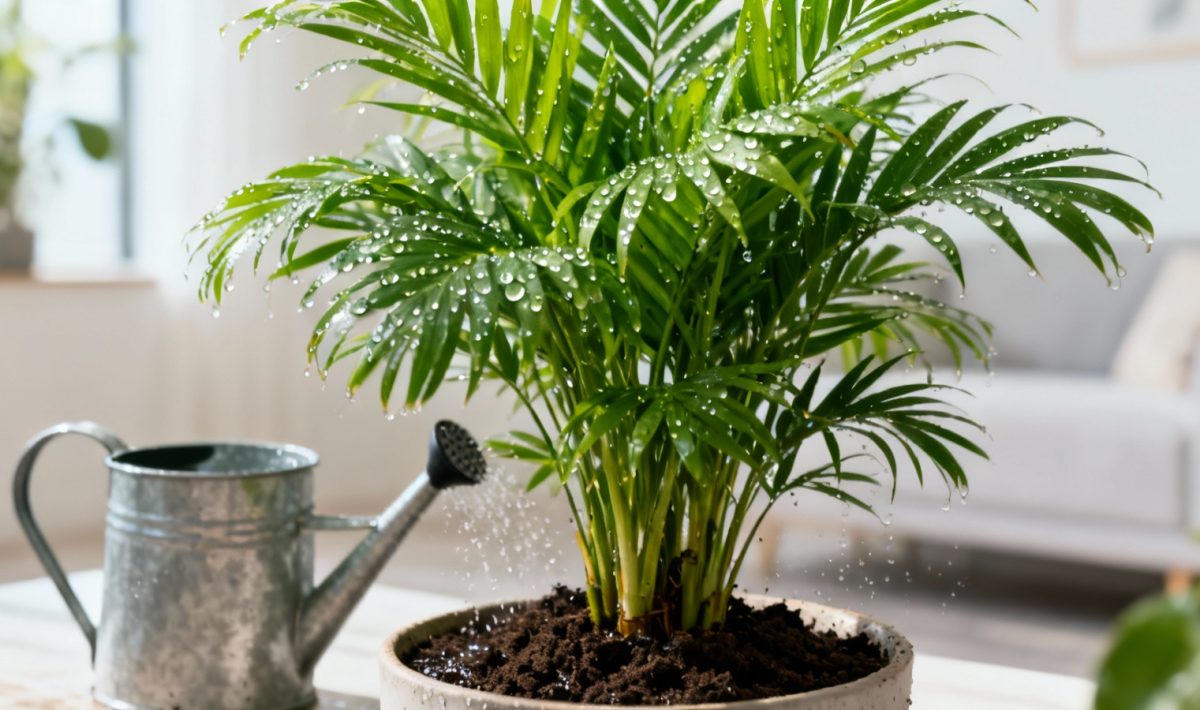
How often should you water your selloum for healthy indoor plants
Caring for your Selloum can feel overwhelming at first, but getting the watering right is honestly the key to success. This beautiful indoor plant has specific needs that change throughout the year, and understanding when your plant needs water will make all the difference. Many plant enthusiasts struggle with how often should you water your Selloum, but once you learn the signs, it becomes second nature.
Your Selloum, scientifically known as Philodendron Selloum, originates from the tropical rainforests of South America. This background means your plant thrives in conditions that mimic its natural habitat – warm temperatures, bright indirect light, and consistent moisture levels. However, the key word here is “consistent,” not “constant.” Your plant doesn’t want to sit in soggy soil, which can quickly lead to root rot.
The watering frequency depends heavily on several environmental factors. During spring and summer months, when your plant is actively growing, you’ll typically need to water more frequently. For medium-sized pots, this usually means watering every 7-10 days. Larger containers with more soil will hold moisture longer, extending the interval to 10-14 days.
Understanding these natural cycles helps you provide the best care for your indoor plants. Just like learning about the watering needs of Norfolk Island pine, each species has its unique requirements that you can master with observation.
How often should you water your Selloum throughout the year
The golden rule for Selloum watering is checking the soil moisture before reaching for your watering can. Stick your finger about 1-2 inches into the soil – if it feels dry, your plant is ready for water. If the soil still feels moist, wait another day or two before checking again.
During the growing season (spring and summer), you’ll generally water once a week. However, this can vary based on your home’s humidity levels, the amount of light your plant receives, and the temperature. Plants placed near south-facing windows with bright indirect light will dry out faster than those in lower light conditions.
Winter brings a different rhythm entirely. Your Selloum enters a rest period where growth slows significantly. During these months, you might only need to water every 2-3 weeks. The reduced daylight hours and lower temperatures mean your plant processes water much more slowly.
Paying attention to seasonal changes is just as important as following watering tips for healthy Tutsan – every plant species benefits from this seasonal awareness.
Signs your plant needs water
Beyond the finger test, your Selloum will give you visual cues when it’s thirsty. The leaves may start to droop slightly, though they should perk up within hours of watering. If you notice the soil pulling away from the edges of the pot, that’s a clear sign the soil has become too dry.
On the flip side, overwatering symptoms include yellowing leaves, musty smells from the soil, and leaves that feel soft or mushy. These signs indicate you need to reduce watering frequency immediately and ensure proper drainage in your pot.
Light conditions and their impact on watering
The amount of light your plant receives directly affects how often you’ll need to water. Plants in bright indirect light process water more quickly than those in low light conditions. If your Selloum sits near a west or south-facing window with filtered light, you’ll likely water more frequently.
Conversely, plants placed in areas with low light will need water less often. The reduced light means slower photosynthesis and water uptake. This is why many indoor gardeners struggle with watering schedules – they don’t adjust for their specific lighting conditions.
Consider moving your plant if you notice it’s consistently struggling. A spot with bright, indirect light near a window is ideal. Direct sun can scorch the leaves, while too little light leads to weak growth and increased risk of overwatering.
This principle applies to many houseplants, much like understanding watering spearmint for best growth requires considering light exposure alongside moisture needs.
Managing humidity for optimal growth
Humidity plays a crucial role in your Selloum’s water needs and overall health. These tropical plants prefer humidity levels between 40-60%, which can be challenging to maintain in most homes, especially during winter when heating systems dry out the air.
Low humidity causes your plant to lose water more quickly through its leaves, meaning you’ll need to water more frequently. You can increase humidity around your plant using several methods:
Place a humidity tray filled with water and pebbles beneath the pot
Group plants together to create a microenvironment
Use a room humidifier during dry months
Mist the air around the plant (not the leaves directly)
Higher humidity means your plant will retain moisture longer, allowing you to extend the time between waterings. This balance is essential for preventing both drought stress and root rot.
Seasonal humidity adjustments
Winter heating systems can drop indoor humidity to 10-20%, far below what your Selloum prefers. During these months, you might need to water slightly more often while also working to increase ambient humidity. Summer typically brings higher natural humidity, which may allow you to reduce watering frequency slightly.
Monitoring both soil moisture and humidity levels gives you the complete picture of your plant’s needs. Similar attention to environmental factors benefits all houseplants, including understanding loquat watering guidelines for health in different seasons.
Watering techniques and best practices
How you water is just as important as when you water. Always use lukewarm water rather than cold water straight from the tap. Cold water can shock the roots and slow nutrient uptake. If possible, let tap water sit out overnight to allow chlorine to dissipate, or use filtered or distilled water.
Water thoroughly until you see drainage coming from the bottom holes. This ensures the entire root system receives moisture and helps flush out any salt buildup from fertilizers. Empty the drainage tray after 30 minutes to prevent the pot from sitting in standing water.
The type of pot and drainage system you use significantly impacts watering success. Pots without drainage holes are nearly impossible to manage properly for most plants. Terra cotta pots dry out faster than plastic ones, which affects your watering schedule.
These watering principles apply broadly to houseplant care, much like the specific techniques needed for rosemary watering for optimal growth require attention to drainage and water quality.
Common watering mistakes to avoid
One of the biggest mistakes is watering on a strict schedule without checking soil moisture. Environmental conditions change daily, affecting how quickly your plant uses water. Sticking to “every Sunday” watering often leads to problems.
Another common error is using water that’s too cold or contains high levels of chemicals. Selloums are sensitive to fluoride and chlorine, which can cause leaf tip burn over time. Always use room temperature water and consider filtering if your tap water is heavily treated.
Finally, many people water too little at a time. Light, frequent watering only moistens the surface soil, encouraging shallow root growth. Deep, thorough watering promotes healthy root development and better drought tolerance.
Troubleshooting watering problems
If your Selloum shows signs of stress, the watering schedule is usually the first place to look. Yellowing leaves often indicate overwatering, especially if they feel soft or develop dark spots. Reduce watering frequency and ensure proper drainage.
Drooping leaves that don’t recover after watering might signal root rot from chronic overwatering. In severe cases, you may need to repot with fresh soil and trim damaged roots. This is why proper drainage is so critical for container plants.
Brown leaf tips can indicate several issues: inconsistent watering, low humidity, or water quality problems. Maintaining steady moisture levels and improving humidity often resolves these issues over time.
Understanding these troubleshooting steps helps with all houseplant care, including recognizing when to adjust proper watering for arborvitae plants and other species in your collection.
Creating a sustainable watering routine
Success with your Selloum comes from developing a flexible routine based on observation rather than rigid scheduling. Check your plant 2-3 times per week, especially when you’re first learning its needs. Keep notes about watering dates and environmental conditions to identify patterns.
Invest in a simple moisture meter if you’re unsure about soil moisture levels. These inexpensive tools take the guesswork out of watering decisions and help prevent both overwatering and underwatering.
Remember that your plant’s needs will change as it grows and as seasons shift. A small plant in a 6-inch pot will need water much more frequently than the same plant in a 12-inch container a year later. Adjust your expectations and schedule accordingly.
With consistent observation and care, your Selloum will reward you with lush, tropical foliage that brings life to any indoor space. The key is finding the balance that works for your specific conditions and sticking with it while remaining flexible as circumstances change.
Allan is a lifelong gardening enthusiast who still gets excited when the first seedlings pop up in spring. With a deep love for nature and a hands-in-the-soil approach, he shares practical tips, plant discoveries, and clever tricks picked up over years of digging, planting, and observing. Whether you’re a new gardener or have a shed full of tools, Allan writes like a neighbor who’s always happy to swap cuttings and stories over the fence.
You can find more about Allan’s work on Malt or connect with him on LinkedIn.