
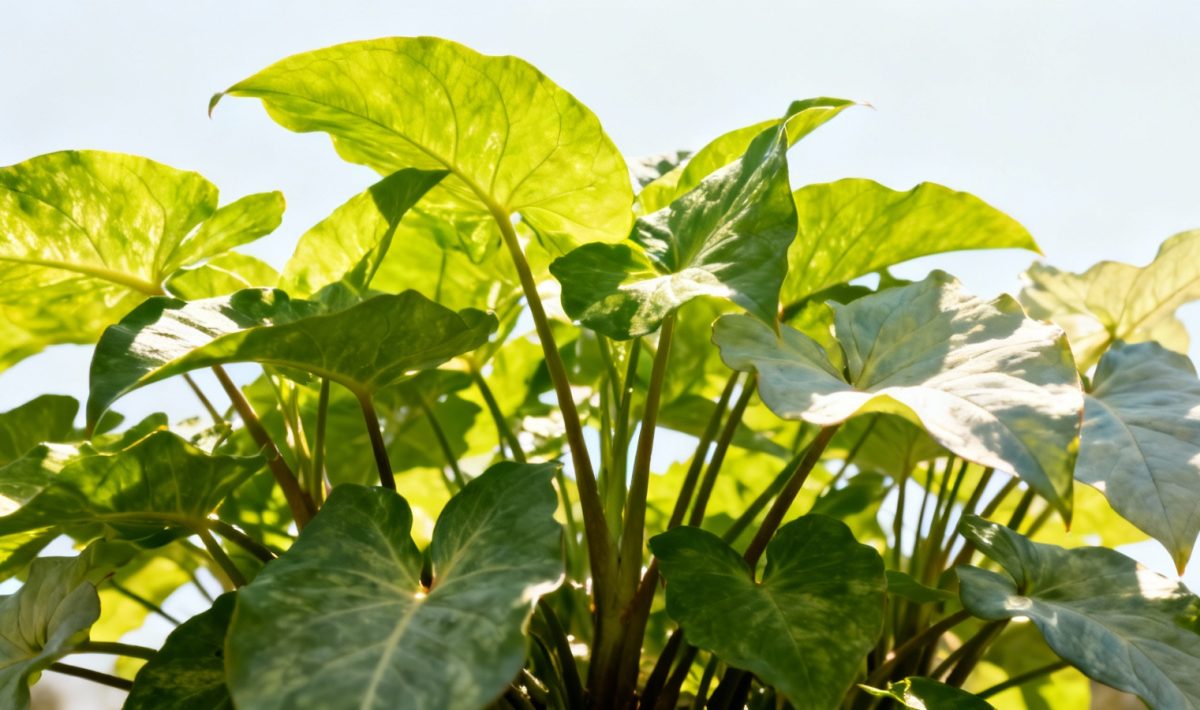
If you’re wondering about the sunlight needs for your Angel’s-wings plant, you’re not alone. This stunning succulent with its distinctive silvery-white foliage has captured the hearts of gardeners everywhere, but getting the light conditions just right can make all the difference between a thriving plant and a struggling one.
What exactly is Angel’s-wings?
Angel’s-wings commonly refers to Senecio candicans, a gorgeous succulent that’s become incredibly popular in recent years. This plant belongs to the vast Senecio genus, which includes hundreds of species with varying characteristics and care requirements. What makes this particular variety so special is its unique adaptation to bright, sunny conditions.
The silvery-white leaves aren’t just for show – they’re actually a clever evolutionary adaptation. This fuzzy coating helps reflect excess sunlight and reduces water loss, making it perfectly suited for sunny spots in your garden or home. The plant develops its best coloration and compact growth when it receives adequate light exposure throughout the day.
Understanding the light requirements for Angel’s-wings
Your Angel’s-wings plant thrives best with at least 6 hours of direct sunlight daily. This succulent absolutely loves full sun conditions and will reward you with vibrant foliage when placed in the right spot. Unlike some houseplants that prefer filtered light, this beauty actually performs better with more intense light exposure.
The type of light matters just as much as the duration. Morning sun is particularly beneficial because it’s gentler and helps the plant wake up naturally. However, don’t worry about strong afternoon sun – this tough plant can handle it well, especially when it’s established and properly watered.
When evaluating your space for the perfect spot, look for areas that receive consistent bright light throughout the day. South-facing windows are typically ideal for indoor cultivation, while outdoor spots should offer good sun exposure without being completely shadowed by buildings or large trees.
Indoor placement strategies
For indoor growing, positioning your Angel’s-wings near a sunny window is essential. The plant can tolerate some indirect light, but you’ll notice the difference in growth quality. With insufficient light, the stems become elongated and the distinctive silver coloring may fade to a more greenish hue.
If you’re dealing with limited natural light in your home, consider supplementing with grow lights. LED grow lights work particularly well for succulents and can provide the consistent light your plant needs during darker months or in rooms with poor natural light.
Rotate your plant occasionally to ensure even growth on all sides. This simple practice prevents the plant from leaning toward the light source and maintains its attractive, symmetrical shape.
Outdoor growing considerations
When growing Angel’s-wings outdoors, full sun exposure is generally the goal. However, in extremely hot climates with intense summer heat, providing some afternoon shade can prevent leaf scorch. The plant is quite adaptable and can handle various light conditions once established.
Good air circulation around your plant is just as important as proper light exposure. This helps prevent moisture-related problems and keeps your plant healthy. Choose locations where gentle breezes can reach the plant without creating harsh wind conditions that might damage the delicate leaves.
Just as different plants have varying light needs – for instance, understanding sunlight requirements for radish plants helps with vegetable gardening – knowing your Angel’s-wings’ specific needs ensures success with this beautiful succulent.
Balancing light with other growing conditions
While light is crucial, it works hand-in-hand with proper watering and humidity levels. Your Angel’s-wings needs well-draining soil that doesn’t retain excess moisture, especially when receiving full sun exposure. The combination of bright light and soggy soil can quickly lead to root rot.
During the growing season, water deeply but allow the soil to dry out between watering sessions. This mimics the natural rainfall patterns in the plant’s native habitat and promotes healthy root development.
Summer heat can be intense, so monitor your plant for signs of stress. While these plants are quite heat-tolerant, providing adequate water during hot, sunny periods helps maintain the lush appearance of the foliage. Some gardeners find that light afternoon shade during the hottest part of summer keeps their plants looking fresh.
Much like how optimal sunlight for selloum growth requires careful consideration of environmental factors, your Angel’s-wings benefits from this balanced approach to care.
Seasonal adjustments
Your plant’s light needs may vary slightly throughout the year. During winter months, when natural light is reduced, moving your Angel’s-wings to the brightest available location helps maintain its health and appearance.
Spring is an excellent time to gradually increase light exposure if you’re transitioning plants from indoor to outdoor growing. This gradual acclimation prevents shock and helps your plant adapt smoothly to more intense conditions.
Interestingly, some plants have very different light requirements – for example, Jimsonweed sunlight needs can vary significantly from succulents, highlighting the importance of species-specific care.
Signs your Angel’s-wings is getting the right amount of light
A happy Angel’s-wings plant displays several telltale characteristics. The foliage maintains its distinctive silvery-white color with a healthy, full appearance. The plant grows in a compact, bushy form rather than stretching toward light sources.
New growth appears regularly during the growing season, and the overall plant maintains good structural integrity. The leaves feel firm and well-developed, not soft or elongated as they might be under insufficient light conditions.
During the flowering season, well-lit plants often produce more abundant blooms. The small, bright flowers add an extra decorative element to the already attractive foliage display.
If your plant starts stretching or losing its compact shape, it’s likely not receiving enough light. This condition, called etiolation, is reversible with proper light adjustment, though the stretched growth won’t return to its original form.
Conversely, if leaves begin to brown or appear burned, the plant might be receiving too much intense light too quickly. Gradually acclimating plants to brighter conditions prevents this type of light damage.
Some gardeners notice their Angel’s-wings changes color throughout the seasons. This is often normal and reflects the plant’s adaptation to varying light conditions and temperatures.
Different plants require different approaches to light management – just as rutabaga growth and sunlight follows specific patterns, your succulent has its own unique rhythm of growth and development.
Best practices for optimal Angel’s-wings care
Creating the ideal environment for your Angel’s-wings combines proper light exposure with good growing practices. Start with well-draining soil that allows excess water to flow away quickly. This prevents root problems that can compromise the plant’s ability to handle bright light.
Regular monitoring helps you catch potential issues early. Check your plant weekly for signs of stress, changes in growth patterns, or pest problems that might affect its light utilization.
Consider the plant’s natural growing cycle when planning care routines. During active growing periods, your Angel’s-wings can handle more intense light and benefits from regular feeding with diluted fertilizer.
Many herbs also have specific light requirements for optimal growth – for instance, learning about sunlight for healthy oregano plants demonstrates how different species have evolved unique adaptations to their preferred light conditions.
Long-term success strategies
Building a successful relationship with your Angel’s-wings plant takes patience and observation. Each plant develops its own characteristics based on your specific growing conditions, so pay attention to how your individual plant responds to different light levels.
Keep records of what works well in your particular environment. Note the seasons when your plant looks its best, the locations where it thrives, and any adjustments that led to improved growth or appearance.
Remember that consistency often matters more than perfection. A plant that receives good, steady light exposure will generally outperform one that experiences dramatic fluctuations in growing conditions.
With proper attention to its sunlight needs, your Angel’s-wings can become a stunning focal point in your plant collection, rewarding you with years of beautiful, silvery foliage and delicate seasonal blooms that make this succulent such a beloved choice among gardeners worldwide.

Allan is a lifelong gardening enthusiast who still gets excited when the first seedlings pop up in spring. With a deep love for nature and a hands-in-the-soil approach, he shares practical tips, plant discoveries, and clever tricks picked up over years of digging, planting, and observing. Whether you’re a new gardener or have a shed full of tools, Allan writes like a neighbor who’s always happy to swap cuttings and stories over the fence.
You can find more about Allan’s work on Malt or connect with him on LinkedIn.


