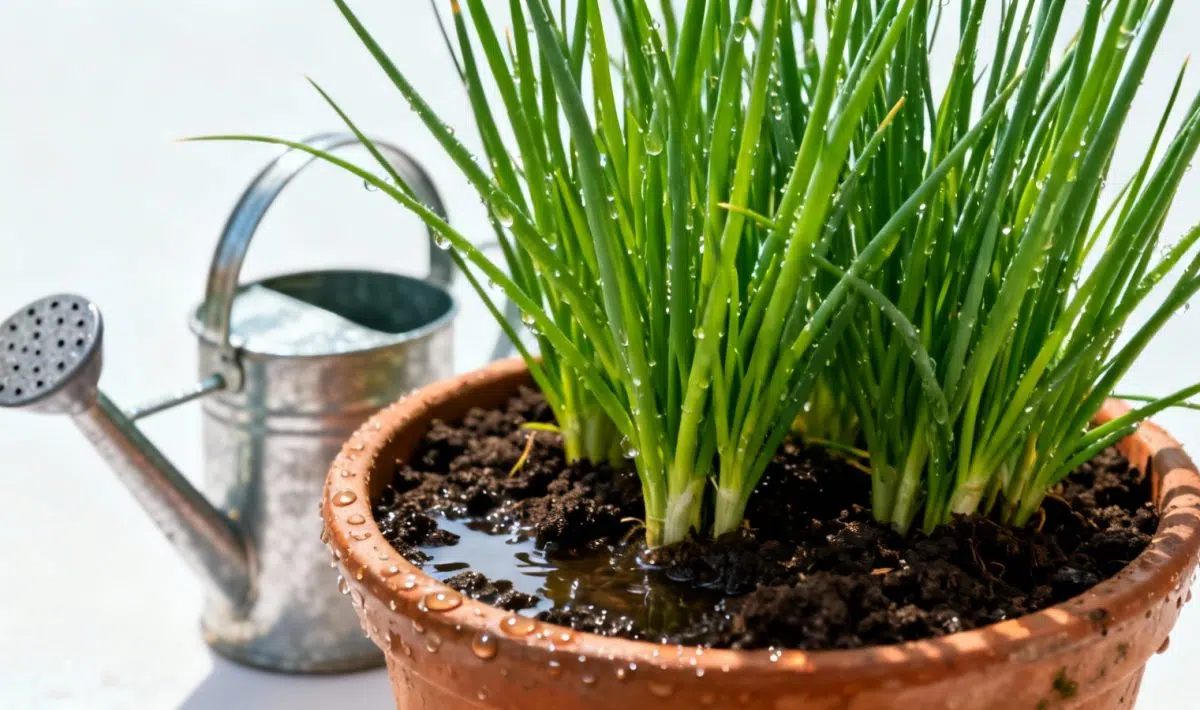
Understanding how often should you water your chives
Growing chives successfully starts with proper watering habits. These hardy herbs need consistent moisture but can’t tolerate waterlogged soil. The key is finding that sweet spot where your plants get enough water to grow vigorously without drowning their roots.
Most chive plants thrive when you water them 1-2 times per week during the growing season. However, this frequency can change based on your specific conditions. You’ll need to adjust your watering schedule according to soil type, weather patterns, and the size of your plants.
Key factors that influence watering frequency
Several important factors determine how often your chives need water. Understanding these will help you develop the best watering routine for your garden space.
Soil type and drainage considerations
The type of soil you have dramatically affects how often you should water. Sandy soil drains quickly, which means you may need to water your chives more frequently. Clay soil holds moisture longer, so you can water less often but need to be careful not to overwater.
Good drainage is essential for healthy chive growth. These plants prefer soil that stays slightly moist but never soggy. If water pools around your plants after watering, you need better drainage or should reduce watering frequency.
Weather conditions and seasonal changes
Hot, sunny weather increases water needs significantly. During summer months, you might need to water every other day if temperatures soar. Cooler weather and overcast skies reduce evaporation, so you can water less frequently.
Spring is when chives grow most actively and need consistent moisture. Winter watering should be minimal since the plants are dormant. Much like other herbs that have specific watering needs, similar to watering advice for watermelon plants, chives require attention to seasonal variations.
Proper watering techniques for chives
How you water is just as important as when you water. Using the right techniques helps ensure your chives get the moisture they need without developing problems.
Best methods for watering chives
Water at the base of the plant rather than from above. This prevents water from sitting on the leaves, which can lead to fungal issues. A soaker hose or drip irrigation system works perfectly for chives.
When you water by hand, use a watering can with a narrow spout or a hose with a gentle spray setting. Apply water slowly so it can soak into the soil rather than running off.
Water early in the morning when possible. This gives plants time to absorb moisture before the heat of the day and reduces evaporation loss. Evening watering can work but may increase disease risk if leaves stay wet overnight.
Signs your chives need water
Check the soil moisture by sticking your finger about an inch deep into the earth near your plants. If it feels dry, it’s time to water. The soil should feel slightly damp but not muddy.
Wilting leaves are another clear sign that your chives need water. However, don’t wait until this point as stress can affect the flavor and growth of your herbs. Consistent moisture produces the best results.
Common watering mistakes to avoid
Many gardeners struggle with finding the right balance when watering chives. Avoiding these common mistakes will help your plants thrive.
Overwatering problems
Too much water is actually more harmful than too little. Overwatered chives develop yellow leaves and may suffer from root rot. The soil around overwatered plants often smells sour or musty.
If you notice these signs, reduce watering immediately and improve drainage if possible. Remove any affected leaves and allow the soil to dry out before resuming a normal watering schedule.
Underwatering issues
While chives are drought-tolerant once established, young plants need regular moisture to develop strong root systems. Severely underwatered chives become tough and lose their mild, onion-like flavor.
Consistent slight moisture produces tender, flavorful leaves that are perfect for cooking. This principle applies to many garden plants, as seen with optimal watering for Himalayan blackberries where consistent moisture leads to better fruit production.
Seasonal watering schedules
Adapting your watering schedule to the seasons helps your chives grow optimally year-round. Each season brings different challenges and requirements.
Spring and summer care
During active growing months, water 1-2 times per week depending on rainfall and temperature. Check soil moisture regularly since hot weather increases water needs dramatically.
Mulching around your chives helps retain soil moisture and reduces watering frequency. Use organic mulch like straw or shredded leaves, keeping it a few inches away from the plant stems.
Fall and winter adjustments
As growth slows in fall, reduce watering to once per week or less. Winter dormancy means minimal water needs, but don’t let the soil become bone dry.
In regions with freezing temperatures, reduce watering significantly to prevent ice damage to roots. However, if you’re growing chives indoors during winter, maintain light but consistent moisture.
Special considerations for container growing
Chives grown in containers need more frequent watering than those planted directly in garden soil. Containers dry out faster, especially small pots and those made from porous materials like terracotta.
Check container-grown chives daily during hot weather. The soil in small containers can dry out completely in just one day of intense sun and heat.
Ensure your containers have drainage holes to prevent water from accumulating at the bottom. Standing water quickly leads to root problems that can kill your plants. Just as different plants have varying water requirements, such as watering tips for Chinese wisteria for optimal flowering, container chives need tailored care.
Maximizing growth with proper water management
Proper watering creates the foundation for vigorous chive growth and abundant harvests. Consistent moisture encourages new growth and keeps leaves tender and flavorful.
Regular harvesting actually encourages more growth, but you need adequate water to support this continuous production. Cut chives frequently but ensure they have enough moisture to regrow quickly.
Consider companion planting with other herbs that have similar water needs. This makes garden management easier and helps create microclimates that benefit all your plants. Root vegetables like rutabaga also benefit from consistent moisture management, as detailed in best practices for watering rutabaga for healthy development.
With proper attention to watering frequency and technique, your chives will reward you with fresh, flavorful herbs throughout the growing season. Remember to observe your plants regularly and adjust your watering schedule based on their specific needs and your local growing conditions.
Allan is a lifelong gardening enthusiast who still gets excited when the first seedlings pop up in spring. With a deep love for nature and a hands-in-the-soil approach, he shares practical tips, plant discoveries, and clever tricks picked up over years of digging, planting, and observing. Whether you’re a new gardener or have a shed full of tools, Allan writes like a neighbor who’s always happy to swap cuttings and stories over the fence.
You can find more about Allan’s work on Malt or connect with him on LinkedIn.