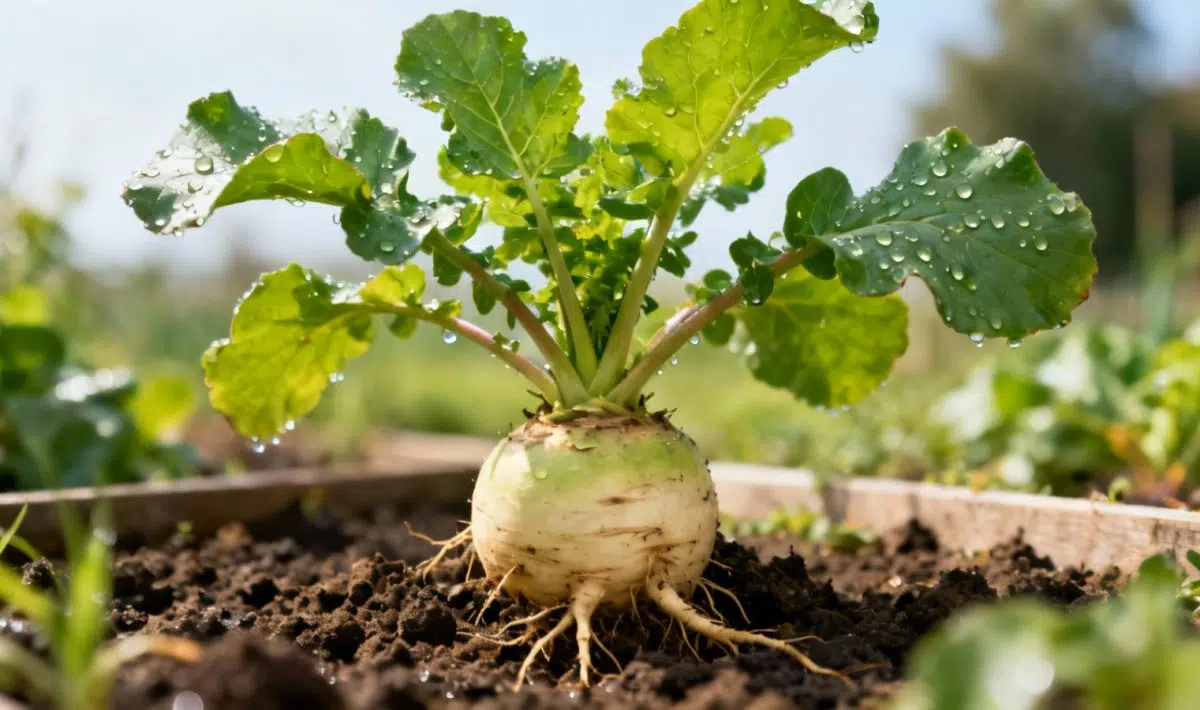
How often should you water your rutabaga for healthy root development
Growing healthy rutabaga requires understanding their unique water needs throughout the growing season. How often should you water your rutabaga depends on several factors including soil type, weather conditions, and the plant’s growth stage. With proper watering techniques, you can ensure robust root development and avoid common problems that plague many gardeners.
Rutabaga plants thrive with consistent soil moisture without becoming waterlogged. These hardy vegetables need approximately 1 to 1.5 inches of water per week, including rainfall. The key lies in maintaining steady moisture levels rather than allowing the soil to dry out completely between waterings.
During the initial weeks after planting, rutabaga seeds require gentle, frequent watering to ensure proper germination. Water lightly every 2-3 days for the first two weeks, then gradually transition to deeper, less frequent watering sessions. This approach encourages the developing roots to grow deeper into the soil, creating stronger, more resilient plants.
Temperature and humidity significantly influence watering frequency. In hot summer conditions, you may need to water every 2-3 days, while cooler periods might require watering only once per week. Monitor the soil moisture by inserting your finger 2-3 inches deep – if it feels dry at this depth, it’s time to water.
Optimal watering techniques for rutabaga success
Early morning watering proves most effective for rutabaga cultivation, typically between 6-10 AM. This timing allows plants to absorb moisture before the day’s heat increases evaporation rates. Water slowly and deeply, ensuring the moisture penetrates 6-8 inches into the soil where the developing roots can access it.
Drip irrigation or soaker hoses work exceptionally well for rutabaga beds, delivering water directly to the root zone without wetting the foliage. This method reduces disease risks and ensures efficient water usage. If using overhead sprinklers, water early in the day so leaves can dry before evening, preventing fungal issues.
Apply a 2-3 inch layer of organic mulch around your rutabaga plants to retain soil moisture and reduce watering frequency. Straw, grass clippings, or chopped leaves work excellently as mulching materials. Just as gardeners learn about watering your sycamore tree effectively, understanding proper mulching techniques helps maintain consistent soil moisture levels for rutabaga crops.
Signs your rutabaga needs water
Recognizing when your rutabaga plants need water prevents both under and over-watering. Wilted or drooping leaves during the hottest part of the day often indicate water stress, especially if the condition persists into evening hours when temperatures cool.
Check the soil moisture regularly rather than relying solely on visual cues. Dry, cracked soil surface suggests immediate watering needs, while constantly soggy conditions indicate overwatering. The ideal soil consistency feels like a wrung-out sponge – moist but not dripping.
Stunted growth or small root development can signal inconsistent watering practices. Similar to optimal watering for watermelon growth, rutabaga plants require steady moisture to develop their characteristic large, sweet roots properly.
Seasonal watering adjustments
Spring planting requires careful attention to soil moisture as young rutabaga plants establish themselves. Water gently but consistently, providing approximately 0.5 inches per week during cool spring weather. Increase frequency gradually as temperatures rise and plants mature.
Summer watering demands increase significantly, especially during heat waves or drought conditions. Deep watering 2-3 times weekly works better than daily light sprinklings that encourage shallow root systems. Focus on thorough soil saturation that reaches the developing rutabaga root zone.
Fall watering continues importance as rutabaga roots reach peak development. Maintain consistent moisture through harvest time, but reduce frequency slightly as cooler temperatures decrease evaporation rates. Just like keeping peonies well-watered for blooms, proper fall watering ensures optimal root quality and storage potential.
Common watering mistakes to avoid
Overwatering ranks among the most frequent errors in rutabaga cultivation, leading to root rot, splitting, and poor flavor development. Soggy soil conditions create perfect environments for fungal diseases that can destroy entire crops. Always ensure proper drainage in your rutabaga beds.
Irregular watering patterns stress plants and reduce root quality. Allowing soil to completely dry out, then flooding it with water, causes roots to crack and split. Maintain steady moisture levels throughout the growing season for best results.
Watering late in the evening keeps foliage wet overnight, increasing disease risks. This practice, combined with poor air circulation, creates ideal conditions for bacterial and fungal problems that can quickly spread through rutabaga plantings.
Container vs. garden bed watering differences
Container-grown rutabaga requires more frequent watering than garden bed plants due to faster moisture evaporation from pots. Check containers daily during warm weather, watering when the top inch of soil feels dry to the touch.
Garden bed rutabaga benefits from deeper, less frequent watering that encourages extensive root development. The larger soil volume in beds retains moisture longer than containers, allowing for more flexible watering schedules.
Drainage becomes critical in both situations. Containers must have adequate drainage holes, while garden beds require proper soil amendment to prevent water logging. Understanding these differences helps optimize watering practices for various growing situations, much like watering common dandelions for growth requires specific attention to growing conditions.
Harvest timing and final watering considerations
Reduce watering frequency 2-3 weeks before planned harvest to concentrate flavors and improve storage quality. Excessive moisture near harvest time can cause roots to split or develop poor keeping qualities during storage.
Monitor weather forecasts and adjust watering accordingly during the final weeks of growth. Heavy rainfall before harvest may require covering plants or improving drainage to prevent root quality issues.
Proper watering throughout the growing season results in rutabaga roots that store well through winter months. Well-watered plants that receive consistent moisture develop dense, flavorful roots perfect for cooking and long-term storage in cool, humid conditions.
Allan is a lifelong gardening enthusiast who still gets excited when the first seedlings pop up in spring. With a deep love for nature and a hands-in-the-soil approach, he shares practical tips, plant discoveries, and clever tricks picked up over years of digging, planting, and observing. Whether you’re a new gardener or have a shed full of tools, Allan writes like a neighbor who’s always happy to swap cuttings and stories over the fence.
You can find more about Allan’s work on Malt or connect with him on LinkedIn.