
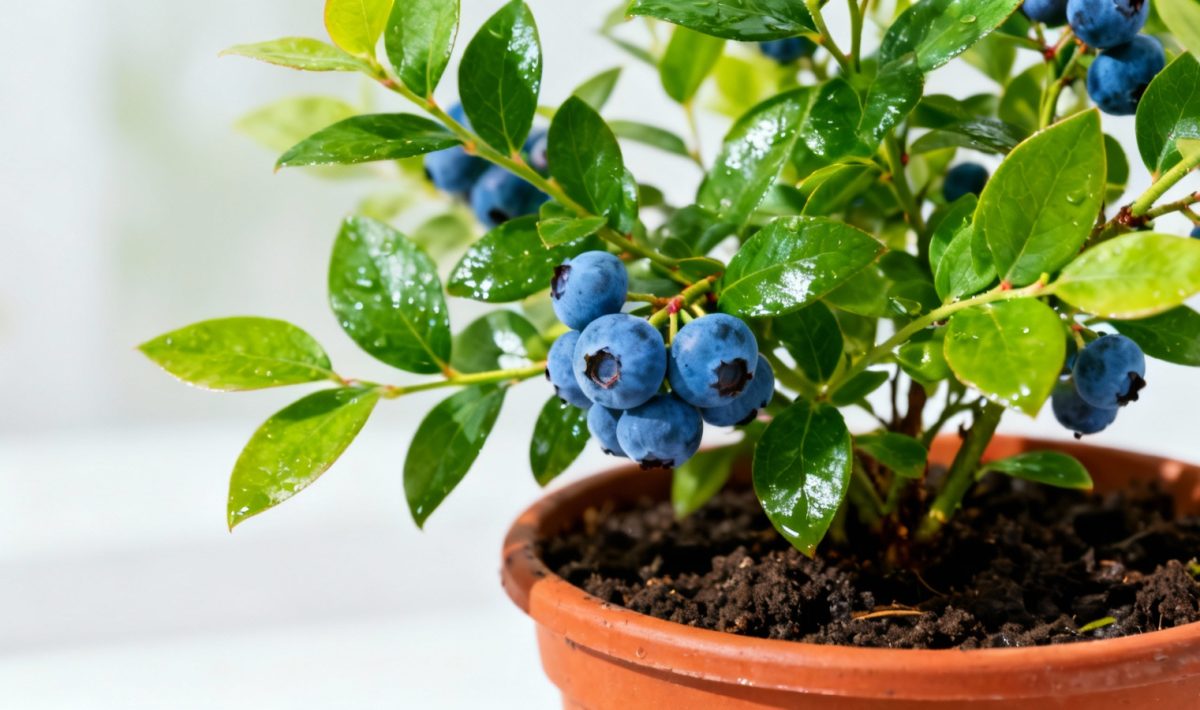
Growing highbush blueberries in your garden brings the joy of harvesting sweet, nutritious berries right from your backyard. However, getting the watering schedule right can make the difference between a thriving plant and one that struggles to produce fruit. Understanding how often should you water your highbush blueberry depends on several factors including soil type, weather conditions, and the plant’s growth stage.
Understanding your blueberry plant’s water needs
Highbush blueberry plants are thirsty by nature, requiring consistent moisture to develop their shallow root systems and produce those delicious berries we all love. These plants need approximately one inch of water per week during the growing season, but this amount should be adjusted based on rainfall and temperature. The key is maintaining steady soil moisture without creating waterlogged conditions that can harm the roots.
Young plants and newly planted blueberries have different requirements than established ones. For the first few weeks after plantation, daily watering helps the root system establish properly. As they mature, you can transition to a weekly deep watering schedule that encourages roots to grow deeper and stronger.
Seasonal watering schedules for optimal growth
Spring marks the beginning of active growth for your blueberry plants. During this season, consistent moisture supports new leaf development and flower formation. Water your plants deeply once or twice per week, providing about 4-5 liters per plant. This schedule ensures they have enough moisture as temperatures rise and daylight hours increase.
Summer brings the most critical period for watering, especially during fruit development. Hot weather and longer days increase water demand significantly. You may need to water every 2-3 days during heat waves, providing up to 10 liters per plant. Monitor the soil regularly, as consistent moisture during berry formation directly impacts fruit size and sweetness.
Fall and winter require reduced watering frequency. As plants enter dormancy, their water needs decrease substantially. Water only when the soil feels dry several inches down, typically once every 10-14 days unless natural rainfall provides adequate moisture.
Soil type considerations
The type of soil in your garden dramatically affects watering frequency. Blueberries thrive in acidic, well-draining soil with high organic matter content. Sandy soils drain quickly and may require more frequent watering, while clay soils retain moisture longer but can become waterlogged easily.
If you’re growing blueberries in pots, drainage becomes even more critical. Container plants typically need daily watering during summer months, as pots heat up and dry out faster than ground soil. Always check that your containers have adequate drainage holes to prevent root rot.
Signs your blueberry plant needs water
Learning to read your plant’s signals helps you adjust watering schedules based on actual needs rather than following rigid schedules. Wilted or drooping leaves during cooler parts of the day indicate water stress. However, slight wilting during the hottest part of summer afternoons is normal and doesn’t necessarily mean your plant needs immediate watering.
Check soil moisture by inserting your finger 2-3 inches into the ground near the plant’s base. The soil should feel consistently moist but not soggy. If it feels dry at this depth, it’s time to water. For container plants, lift the pot slightly – dry soil makes containers noticeably lighter.
Healthy blueberry plants show steady new growth during spring and summer, with vibrant green foliage and proper berry development. Just as you might consider the watering needs of sycamore trees for other garden plants, understanding these visual cues helps you provide optimal care for your blueberries.
Common watering mistakes to avoid
Overwatering ranks as one of the most common mistakes gardeners make with blueberry plants. These plants prefer consistently moist but never waterlogged conditions. Soggy soil leads to root rot and fungal diseases that can kill your plant. Always ensure proper drainage and avoid watering if the soil still feels moist.
Shallow, frequent watering encourages roots to stay near the surface, making plants more vulnerable to drought stress. Instead, water deeply but less frequently to encourage deep root development. This approach creates more resilient plants that can better handle temporary dry periods.
Watering methods and techniques
The method you use to water your blueberry plants affects how efficiently they use moisture. Drip irrigation or soaker hoses provide slow, steady water delivery directly to the root zone, minimizing evaporation and reducing water waste. These systems work particularly well for multiple plants in a blueberry garden or border.
Hand watering works well for smaller plantations or container plants. Use a watering can or hose with a gentle spray attachment to avoid disturbing the soil around shallow roots. Water slowly at the base of the plant, allowing moisture to penetrate deeply rather than running off the surface.
Mulching around your plants helps retain soil moisture and reduces watering frequency. Apply 2-3 inches of organic mulch like pine needles or shredded bark around the base, keeping it several inches away from the main stem to prevent pest issues.
Similar to how you might approach care for Chinese money plants with attention to soil moisture, consistent monitoring helps you develop a feel for your blueberries’ specific needs in your garden conditions.
Container growing considerations
Growing blueberries in pots requires more frequent attention to watering schedules. Containers dry out much faster than garden soil, especially during hot weather. Check daily during summer and water when the top inch of soil feels dry. Large containers retain moisture longer than small ones, so adjust your schedule accordingly.
Use high-quality potting mix designed for acid-loving plants when growing blueberries in containers. This specialized soil drains well while retaining adequate moisture for healthy root development. Regular feeding with appropriate fertilizer supports vigorous growth in the confined space of a container.
If your blueberry plants show signs of stress despite regular watering, consider factors beyond frequency. Poor drainage can cause root problems even with proper watering amounts. Improve heavy soils by adding compost or other organic matter to increase drainage and aeration.
Plants growing in very sandy soil may need more frequent watering but smaller amounts each time. This prevents water from running through the soil before roots can absorb it. You might also need to consider different approaches, much like the specific water requirements for smoketrees vary based on soil conditions.
Yellowing leaves can indicate both overwatering and underwatering, making diagnosis tricky. Check soil moisture and drainage to determine the actual cause. Overwatered plants often develop yellowing from the bottom up, while underwatered plants show wilting before yellowing occurs.
Creating the ideal growing environment
Successful blueberry culture extends beyond just watering frequency. These plants need full sun exposure for optimal fruit production, though they tolerate partial shade in very hot climates. Proper spacing allows air circulation around plants, reducing disease pressure and helping soil dry appropriately between waterings.
Consider companion planting with other acid-loving plants that have similar water requirements. This creates a cohesive garden design while making watering management more efficient. However, avoid planting too close to trees or shrubs that might compete for water resources.
Understanding proper timing for different garden tasks helps create healthy plants overall. Just as knowing best watering practices for wintercreepers supports their growth, consistent care throughout the growing season ensures your blueberry plants thrive year after year.
Maximizing fruit production through proper hydration
Consistent moisture during flower formation and fruit development directly impacts berry size, flavor, and overall harvest quality. Water stress during these critical periods can cause flowers to drop or berries to remain small and tart. Maintaining steady soil moisture from early spring through harvest ensures maximum fruit production.
The period from flowering through fruit ripening requires the most careful attention to watering. Berries are approximately 85% water, so adequate moisture during development creates plump, flavorful fruit. However, avoid overwatering during the final ripening stage, as this can dilute flavor and cause berries to split.
Different varieties may have slightly different water requirements, though most highbush blueberries share similar needs. Research your specific variety to understand any unique characteristics that might affect watering schedules. Some cultivars are more drought-tolerant once established, while others require consistently moist conditions.
Planning your garden layout with water efficiency in mind helps create sustainable growing practices. Group plants with similar water requirements together, and consider installing efficient irrigation systems for larger plantations. This approach works whether you’re managing blueberries or learning about watering tips for pomegranate trees in other areas of your garden.
Long-term plant health and sustainability
Establishing proper watering habits from the beginning creates healthier plants that require less intervention over time. Young plants need more frequent attention, but mature blueberry bushes with well-developed root systems become more self-sufficient and drought-tolerant.
Regular soil testing helps you understand your garden’s specific conditions and adjust watering practices accordingly. Soil pH, drainage rates, and organic matter content all influence how often and how much you should water your plants.
Keep detailed records of watering schedules, weather conditions, and plant performance to develop a customized approach for your specific garden. This information becomes invaluable for improving your techniques each growing season, whether you’re focusing on blueberries or applying similar principles to watering guidelines for garden dahlias elsewhere in your landscape.
With proper attention to watering schedules and soil conditions, your highbush blueberry plants will reward you with abundant harvests of delicious, healthy berries for many years to come. Remember that consistent care and observation are the keys to developing thriving plants that enhance both your garden’s beauty and your family’s nutrition.

Allan is a lifelong gardening enthusiast who still gets excited when the first seedlings pop up in spring. With a deep love for nature and a hands-in-the-soil approach, he shares practical tips, plant discoveries, and clever tricks picked up over years of digging, planting, and observing. Whether you’re a new gardener or have a shed full of tools, Allan writes like a neighbor who’s always happy to swap cuttings and stories over the fence.
You can find more about Allan’s work on Malt or connect with him on LinkedIn.


