
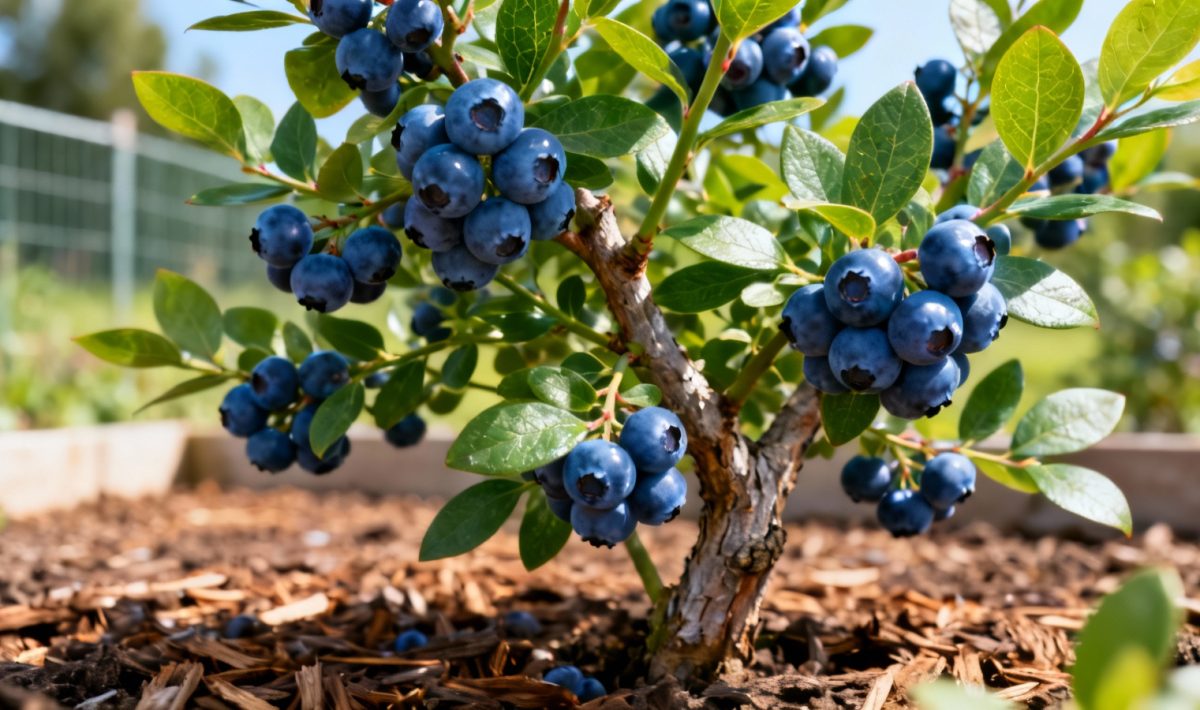
Introduction to highbush blueberry cultivation
Growing your own highbush blueberry plants might just be one of the most rewarding decisions you’ll make for your garden. These remarkable shrubs, scientifically known as Vaccinium corymbosum, can produce delicious fruits for over 40 years when properly cared for. What makes them even more appealing is their adaptability to various climates and their beautiful seasonal foliage that adds ornamental value to any landscape.
Unlike their lowbush cousins, highbush blueberries offer gardeners more flexibility in terms of growing conditions and maintenance. They’re particularly appreciated for their generous production and the quality of their baies, which develop a perfect balance of sweetness and tartness when fully ripe.
Essential characteristics of Vaccinium corymbosum
Highbush blueberry plants typically reach heights between 6 to 12 feet, forming attractive, multi-stemmed shrubs with a naturally rounded shape. Their leaves change dramatically throughout the seasons, starting with fresh green growth in spring, maintaining lush foliage through summer, and transforming into brilliant reds and oranges in fall.
The flowering period occurs in early spring, producing delicate white or pink bell-shaped flowers that eventually develop into the prized blue fruits. What’s particularly interesting about these plants is their self-pollinating ability, though cross-pollination with different varieties often results in larger fruit size and better yields.
These hardy plants demonstrate excellent cold tolerance, making them suitable for various climates across temperate regions. Their root system spreads relatively shallow but wide, which influences both their watering needs and companion planting possibilities.
Optimal growing conditions and soil requirements
Success with highbush blueberries starts with understanding their specific soil preferences. These plants absolutely require acidic soil with a pH between 4.5 and 5.2. Testing your soil before planting is crucial, as most garden soils tend to be more neutral or alkaline than blueberries prefer.
The ideal soil texture combines good drainage with moisture retention. Sandy loam enriched with organic matter provides the perfect foundation. If your native soil doesn’t meet these requirements, don’t worry – you can amend it with sulfur to lower pH or create raised beds filled with acidic planting mix.
Drainage is absolutely critical because blueberry roots are susceptible to rot in waterlogged conditions. However, they also need consistent moisture, especially during fruit development. This balance might seem tricky, but adding organic matter like peat moss or composted pine bark helps achieve the perfect moisture retention without sacrificing drainage.
When considering plant care strategies, similar attention to soil conditions applies to many other garden favorites. For instance, care tips for common coleus emphasize how proper soil preparation influences overall plant health and vigor.
Light and temperature needs
Blueberry plants thrive in full sun exposure, requiring at least 8 hours of direct sunlight daily for optimal fruit production. While they can tolerate partial shade, reduced light typically results in fewer flowers and smaller harvests.
Temperature considerations are equally important. Most highbush varieties need a certain number of chill hours during winter to properly set fruit the following season. This natural dormancy period is essential for healthy flower development and should factor into variety selection based on your local climate.
Planting and propagation techniques
The best time for planting blueberry bushes is during early spring or fall when plants are dormant. Choose a location with good air circulation but protection from strong winds that might damage branches heavy with fruit.
When preparing planting holes, dig them twice as wide as the root ball but no deeper. Blueberry roots prefer to spread horizontally rather than deeply. Space plants 4 to 6 feet apart to allow for mature growth and adequate air circulation between bushes.
Propagation of blueberry plants can be accomplished through several methods. Softwood cuttings taken in early summer root readily when treated with rooting hormone and placed in a humid environment. Hardwood cuttings collected during dormancy also work well, though they take longer to establish.
Layering provides another reliable propagation method. Simply bend a low branch to the ground, cover a portion with soil, and wait for roots to develop before severing from the parent plant. This technique ensures genetic consistency with proven varieties.
Just as growing garlic mustard successfully requires understanding specific timing and techniques, blueberry propagation benefits from following established seasonal patterns and proper preparation methods.
Seasonal care and maintenance practices
Spring maintenance begins with removing any damaged or dead wood from winter. Light pruning helps maintain plant shape and encourages new growth. Apply a balanced, acid-forming fertilizer designed specifically for blueberries or other acid-loving plants.
Summer care focuses primarily on consistent watering and mulching. A 2-3 inch layer of organic mulch around the base helps retain moisture and suppress weeds while gradually decomposing to improve soil structure. Monitor for pests and diseases, though highbush blueberries are generally quite resilient.
Fall preparation involves reducing watering as plants enter dormancy and cleaning up any dropped fruit to prevent pest overwintering. This is also an excellent time to apply compost or other organic amendments that will break down over winter.
Winter protection may be necessary in extremely cold regions. Wrapping young plants or providing windbreaks helps prevent damage from harsh weather conditions that could affect next season’s production.
The seasonal approach to plant maintenance applies to many garden specimens. Caring for Japanese pieris plants follows similar principles of timing care activities with natural growth cycles.
Variety selection and climate adaptation
Choosing the right variety makes a tremendous difference in your success with highbush blueberries. Early-season varieties like ‘Duke’ and ‘Spartan’ provide fruit in mid-summer, while late varieties such as ‘Elliott’ extend the harvest into early fall.
Consider your local climate when selecting varieties. Northern varieties typically require more chill hours but offer better cold tolerance. Southern varieties need fewer chill hours but may struggle in extremely cold winters.
Some gardeners prefer planting multiple varieties to extend their harvest season and improve cross-pollination. This strategy also provides insurance against weather-related crop losses that might affect only certain varieties.
Disease resistance varies among varieties, with some showing particular tolerance to common issues like mummy berry or powdery mildew. Research local recommendations from extension services or experienced growers in your area.
Harvesting and fruit production
Patience is key when growing blueberries from young plants. While they may produce small amounts of fruit in their second or third year, it’s often best to remove these early fruits to allow the plant to establish strong roots and structure.
Full production typically begins in the fourth or fifth year, when properly cared for plants can yield several pounds of fruit annually. The harvest season usually spans 4-6 weeks, with berries ripening gradually rather than all at once.
Harvesting technique affects both fruit quality and plant health. Ripe berries should come off easily with gentle pressure and display deep blue color with no red or green areas. Pick in the early morning when temperatures are cooler for best flavor and storage quality.
Fresh blueberries keep well in the refrigerator for up to two weeks and freeze excellently for long-term storage. Many growers find that the incredible flavor of home-grown fruit far surpasses anything available commercially.
Understanding optimal harvesting practices applies to many fruit-producing plants. Guidelines for Dieffenbachia seguine care demonstrate how proper timing and technique influence overall plant success, though the specific requirements differ significantly between species.
Common challenges and solutions
Bird protection often becomes necessary as fruit approaches ripeness. Netting provides effective protection without harming wildlife, though it requires careful installation to prevent birds from becoming entangled.
Soil pH drift toward neutral or alkaline levels can occur over time, especially in areas with alkaline water or limestone-based soils. Regular soil testing and amendments with sulfur or iron sulfate help maintain proper acidity levels.
Root competition from nearby trees or large shrubs can limit blueberry performance. Maintaining adequate space and considering root barriers helps prevent this issue in mixed plantings.
Weather extremes, particularly late spring frosts that damage flowers, can significantly impact fruit production. Row covers or other protection methods may be necessary during critical flowering periods.
Like many perennial crops, tips for growing common persimmons emphasize the importance of establishing strong plants early and maintaining consistent care practices for long-term success.
Long-term investment benefits
Growing highbush blueberries represents a true long-term investment in your garden and health. These plants can continue producing high-quality fruit for decades with proper care, making them one of the most cost-effective food plants you can grow.
Beyond fruit production, blueberry bushes provide year-round ornamental value with their seasonal foliage changes, spring flowers, and attractive winter branch structure. They integrate beautifully into edible landscapes and work well in both formal and naturalistic garden designs.
The health benefits of fresh, pesticide-free blueberries grown in your own garden are substantial. These nutrient-dense fruits provide antioxidants, vitamins, and fiber while offering the satisfaction of homegrown produce throughout the growing season.

Allan is a lifelong gardening enthusiast who still gets excited when the first seedlings pop up in spring. With a deep love for nature and a hands-in-the-soil approach, he shares practical tips, plant discoveries, and clever tricks picked up over years of digging, planting, and observing. Whether you’re a new gardener or have a shed full of tools, Allan writes like a neighbor who’s always happy to swap cuttings and stories over the fence.
You can find more about Allan’s work on Malt or connect with him on LinkedIn.


