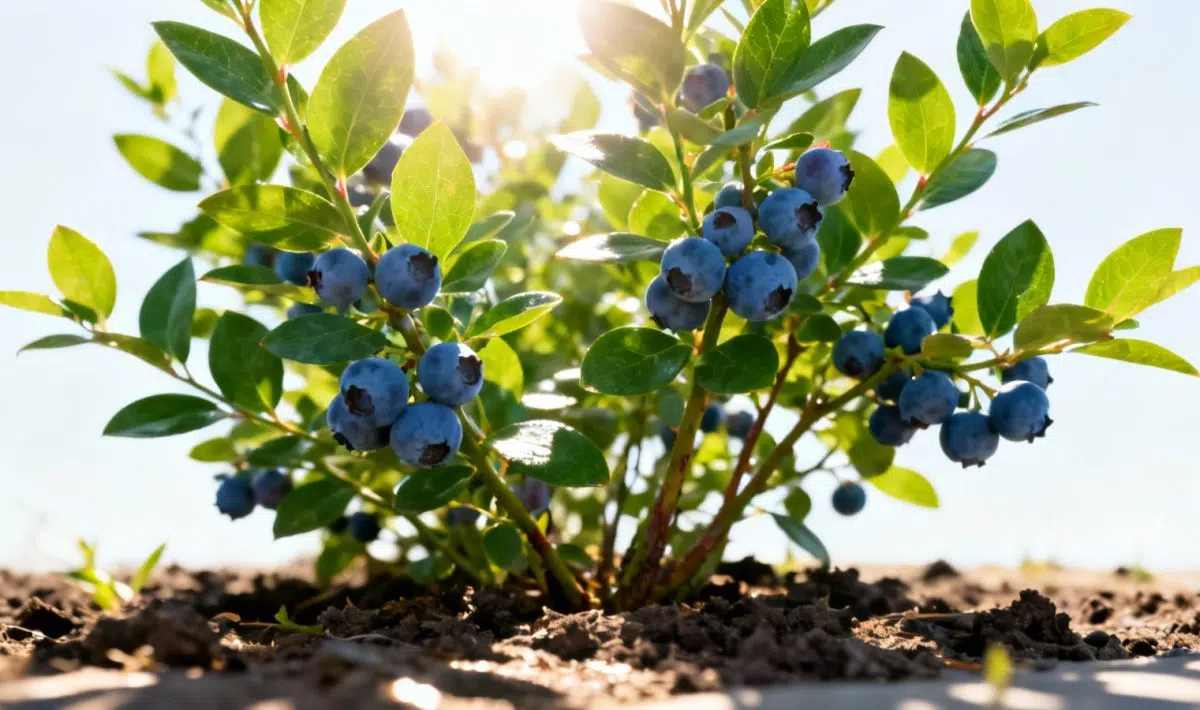
Essential sunlight requirements for highbush blueberry success
Getting the right amount of sunlight for your highbush blueberry plants makes all the difference between a mediocre harvest and baskets full of plump, sweet berries. These northern treasures demand at least 6 to 8 hours of direct sunlight daily to thrive and produce that abundant fruit you’re dreaming about. Without adequate light, you’ll notice smaller berries, reduced yields, and plants that just don’t seem as vigorous as they should be.
When you’re planning your blueberry garden, think of sunlight as the primary fuel that powers everything from healthy growth to those delicious fruits. The more quality sun exposure your plants receive, the better they’ll photosynthesize and convert that energy into the sugars that make blueberries so irresistible. However, understanding the specific needs of your highbush variety helps ensure you’re setting up your plants for long-term success.
Why morning sun matters most for blueberry plants
Morning sunlight provides the gentle warmth that kickstarts photosynthesis without the harsh intensity of afternoon rays. Your blueberry plants actually prefer this softer morning light, especially during hot summer months when temperatures can stress the bushes. This early sun exposure helps dry overnight moisture from leaves, reducing the risk of fungal diseases that can plague blueberry crops.
For those wondering about different plant light requirements, you might find it interesting that some plants like sunlight requirements for common yarrow have completely different needs. While yarrow tolerates various conditions, highbush blueberries are much more particular about their light requirements.
Balancing sun exposure with heat protection
While your blueberry bushes love sunlight, they can struggle when temperatures soar above 85°F (30°C) for extended periods. In these conditions, providing some afternoon shade helps prevent heat stress while still maintaining the essential morning and mid-day sun exposure. You can achieve this balance by planting near taller shrubs or using shade cloth during the hottest parts of summer.
The key is monitoring your plants for signs of heat stress – wilting leaves despite adequate moisture, or berries that seem to shrivel before fully ripening. These symptoms tell you that your plants might benefit from slight adjustments to their sun exposure rather than full relocating.
Choosing the perfect varieties for your garden conditions
Different highbush blueberry varieties have slightly varying sunlight preferences, though all need that fundamental 6-8 hour minimum. Northern highbush varieties like ‘Bluecrop’ and ‘Jersey’ are particularly well-suited to cooler climates and can handle full sun exposure better than their southern cousins. These hardy varieties make excellent choices for gardeners in northern regions where intense heat isn’t typically a concern.
Early-season varieties such as ‘Duke’ and ‘Spartan’ benefit from maximum sun exposure to ripen their fruit properly before summer’s peak heat arrives. When you buy these plants from a reputable store, always check the specific variety recommendations – some newer cultivars have been bred for improved heat tolerance while maintaining that essential sunlight requirement.
Optimizing plant spacing for maximum light penetration
Proper spacing between your blueberry bushes ensures each plant receives adequate sunlight throughout the day. Plant your bushes 4 to 6 feet apart to prevent overcrowding that can create shaded areas and reduce air circulation. This spacing also makes it easier to harvest your berries and perform necessary maintenance tasks throughout the growing season.
Consider the mature size of your chosen variety when planning your garden layout. A well-spaced garden not only maximizes sunlight exposure but also reduces competition between plants for nutrients and water. Your investment in quality plants deserves this thoughtful planning approach.
Creating the ideal growing environment
Beyond sunlight, your blueberry plants need acidic soil with a pH between 4.5 and 5.5 to absorb nutrients effectively. This acidic environment works in conjunction with adequate sun exposure to produce healthy, productive plants. Regular soil testing helps you maintain these optimal conditions and ensures your plants can make the most of their sunlight exposure.
Mulching around your plants helps retain moisture while reflecting additional light onto the lower branches. Organic mulches like pine needles or shredded bark provide this benefit while gradually acidifying the soil as they decompose. This creates a win-win situation for your blueberry bushes.
Watering strategies that complement sun exposure
Your watering schedule should account for the amount of sunlight your plants receive. Plants in full sun typically need more frequent watering, especially during hot weather when evaporation rates increase. Deep, infrequent watering encourages healthy root development while ensuring your plants can withstand periods of high light intensity.
Installing a drip irrigation system provides consistent moisture without wetting the foliage, which can lead to disease problems. This is particularly important for plants receiving maximum sunlight, as wet leaves combined with intense sun can create conditions favorable for certain plant diseases.
Managing seasonal light changes
As seasons change, so does the angle and intensity of sunlight in your garden. During spring and fall, when the sun sits lower in the sky, you might notice some areas of your garden receive less direct light than during summer months. This natural variation is generally fine for established blueberry plants, but it’s worth noting when planning new plantings.
Winter pruning helps maintain good light penetration throughout the bush canopy. Removing old, unproductive canes and opening up the center of mature bushes ensures that when growing season arrives, sunlight can reach all parts of the plant effectively.
Troubleshooting common sunlight-related issues
If your blueberry plants aren’t producing well despite seeming healthy, inadequate sunlight might be the culprit. Plants receiving less than 6 hours of direct sun often show reduced flowering, smaller fruit size, and poor overall vigor. Sometimes the solution is as simple as pruning nearby trees or relocating containers to sunnier spots.
Interestingly, while researching optimal growing conditions, you might discover that different plants have vastly different requirements. For instance, sunlight needs of american sycamore trees are quite different from berry bushes, highlighting how important species-specific knowledge becomes.
Recognizing signs of too much sun
While rare, it’s possible for blueberry plants to receive too much intense sunlight, especially in very hot climates. Symptoms include leaf scorch (brown, crispy edges), premature fruit drop, and overall plant stress. If you notice these signs, consider providing light afternoon shade during the hottest part of the day.
The goal is finding that sweet spot where your plants receive maximum beneficial light without crossing into stress territory. Most gardeners find this balance relatively easy to achieve with proper variety selection and thoughtful garden planning.
Planning for long-term success
When establishing your blueberry patch, think about how nearby trees and structures might affect sunlight availability as they grow and mature. What seems like perfect full sun today might become partial shade in five or ten years if you don’t account for growth patterns of surrounding vegetation.
Your blueberry investment will reward you with years of delicious harvests when you provide the right growing conditions from the start. That means prioritizing adequate sunlight alongside proper soil preparation, appropriate variety selection, and consistent care throughout the growing season.
Allan is a lifelong gardening enthusiast who still gets excited when the first seedlings pop up in spring. With a deep love for nature and a hands-in-the-soil approach, he shares practical tips, plant discoveries, and clever tricks picked up over years of digging, planting, and observing. Whether you’re a new gardener or have a shed full of tools, Allan writes like a neighbor who’s always happy to swap cuttings and stories over the fence.
You can find more about Allan’s work on Malt or connect with him on LinkedIn.