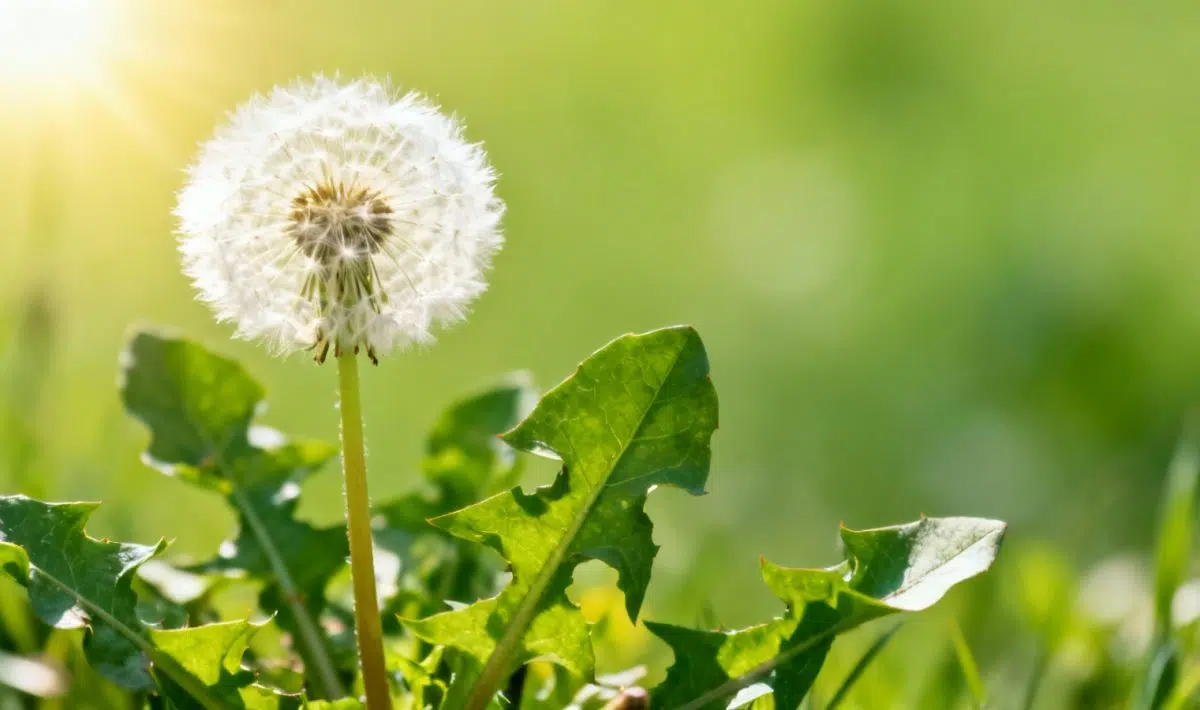
When it comes to understanding how much sunlight common dandelions need, you’ll be pleasantly surprised by their remarkable flexibility. These resilient plants are truly exceptional in their ability to adapt to various light conditions, making them one of the most versatile flowers you can grow. Unlike many plants that demand specific lighting requirements, dandelions thrive across an impressive range of photoperiods and light intensities.
The beauty of dandelion plants lies in their incredible adaptability. They can flourish in full sun, partial shade, and even areas with limited light exposure. This flexibility explains why you’ll find these hardy plants growing successfully in diverse environments, from sunny meadows to shaded garden corners.
What makes dandelions particularly interesting is how they adjust their growth pattern based on available light. In bright, sunny locations, the plant tends to stay compact and flowers quickly. However, when growing in shadier conditions, dandelions develop longer stems and leaves to maximize their light capture.
Light needs throughout the dandelion life cycle
The light requirements of dandelions vary significantly throughout their life cycle, with each stage having different needs. Seeds require light as a crucial factor for successful germination, though they can tolerate some variation in lighting conditions. During the germination phase, exposure to natural light helps trigger the sprouting process and establishes healthy seedlings.
Young dandelion plants benefit from good light exposure to develop strong root systems and healthy foliage. As they grow, these plants demonstrate remarkable plasticity in response to their lighting environment. When grown in areas with intense sunlight, dandelions remain low to the ground and produce flowers more rapidly.
Just like understanding sunlight requirements for hollyhocks is important for beautiful blooms, recognizing how dandelions respond to light helps optimize their growth. Mature dandelion plants can adapt their morphology significantly based on available light, making them incredibly resilient across different seasons.
Optimal growing conditions for dandelions
While dandelions are famously adaptable, providing them with optimal conditions will enhance their growth and flower production. These plants perform best with approximately 4-6 hours of direct sunlight daily, though they can tolerate both more and less exposure. Full sun locations encourage compact growth and abundant flowering.
In garden settings, dandelions appreciate well-draining soil combined with adequate light exposure. They’re particularly good at growing in areas where other plants might struggle with varying light conditions. This adaptability makes them excellent for naturalizing in different parts of your garden.
Temperature plays an important role alongside light requirements. Dandelions prefer moderate temperatures and can handle seasonal variations well. During winter months, seeds that experience cold and darkness will require light exposure for spring germination, making proper garden planning essential.
Seasonal light considerations
Understanding seasonal light changes helps you better support your dandelion plants throughout the year. Spring emergence requires adequate light to trigger growth after winter dormancy. During this critical period, ensure that any debris or competing vegetation doesn’t block necessary sunlight from reaching emerging plants.
Summer brings the most intense light conditions, and dandelions typically respond by maintaining compact growth and producing multiple flower cycles. Similar to how optimal sunlight for hornbeam trees affects their development, consistent summer light helps dandelions maintain vigorous growth patterns.
Fall light conditions signal dandelions to focus energy on root development and seed production. This seasonal adaptation ensures the plants are well-prepared for winter dormancy and will have sufficient energy reserves for the following spring’s growth cycle.
Adapting to different light environments
One of the most fascinating aspects of dandelions is their ability to modify their growth strategy based on available light. In shaded areas or when competing with taller plants, they develop elongated leaves and stems to reach better light sources. This adaptive mechanism allows them to survive in environments where many other flowers would fail.
When growing dandelions in partially shaded areas, you might notice they produce larger leaves and fewer flowers compared to those in full sun. This is a natural adaptation that helps the plant maximize photosynthesis in lower light conditions. Understanding this behavior helps you set appropriate expectations for plant performance in different garden locations.
For gardeners working with challenging light conditions, dandelions offer hope where other plants might disappoint. Much like learning about growth conditions for Egyptian starcluster for optimal growth, understanding dandelion adaptability opens up new possibilities for difficult garden spaces.
Cultivation tips for maximum success
To get the best results from your dandelion plants, consider these practical cultivation strategies that work with their natural light preferences. Choose locations that receive morning sunlight when possible, as this helps with moisture management and reduces disease pressure. Morning light is particularly beneficial for seed germination and early plant development.
When establishing dandelions in your garden, avoid areas with dense overhead shade that blocks most natural light. While these plants are tolerant, they still need some direct light exposure to thrive. Areas that receive filtered sunlight through light tree canopy or partial shade work well for most varieties.
Regular observation helps you understand how your dandelions respond to their specific light environment. Plants that appear to be stretching excessively might benefit from increased light exposure, while those remaining very compact in intense sun are likely getting optimal conditions for their growth type.
Comparing dandelion needs with other plants
Understanding how dandelions compare to other common garden plants helps put their light requirements in perspective. While many flowering plants demand specific light conditions, dandelions offer much more flexibility. This adaptability makes them excellent companions for other resilient plants that can handle variable conditions.
Unlike plants that require consistent, intense sunlight, dandelions can serve as reliable performers in mixed plantings. They work well alongside other adaptable species and can fill in areas where more demanding plants might struggle. This characteristic makes them valuable for naturalized garden areas and low-maintenance landscapes.
When planning garden layouts, consider how dandelions can complement other plants with varying light needs. Much like understanding sunlight needs for chokecherry growth helps with fruit tree placement, knowing dandelion flexibility allows for creative garden design solutions.
Troubleshooting light-related issues
Even with their remarkable adaptability, dandelions can sometimes show signs of light-related stress. Plants growing in extremely dark conditions might produce weak, spindly growth with poor flower production. In these cases, consider relocating them to areas with better light access or removing competing vegetation that blocks sunlight.
Conversely, dandelions in extremely intense sunlight might show signs of stress through wilting or reduced leaf size. While they’re generally sun-tolerant, providing some afternoon shade in very hot climates can improve their overall health and appearance.
Monitoring your plants throughout different seasons helps identify optimal placement for future plantings. Just as gardeners learn about lilac sunlight necessities for blooms to ensure beautiful flowers, observing dandelion responses guides better cultivation decisions.
Making the most of dandelion adaptability
The remarkable light adaptability of dandelions opens up numerous possibilities for creative gardening approaches. These plants can serve as reliable groundcover in areas with variable light conditions, filling spaces where other flowers might fail to establish successfully. Their ability to adjust growth patterns makes them particularly valuable for naturalized areas.
Consider using dandelions as part of sustainable gardening practices that work with natural conditions rather than fighting against them. Their flexible light requirements mean less intervention and maintenance while still providing attractive flowers and beneficial habitat for pollinators.
Whether you’re dealing with full sun, partial shade, or changing light conditions throughout your garden, dandelions offer a dependable solution that adapts rather than demanding specific environmental modifications. This resilience makes them perfect for gardeners who want beautiful, low-maintenance plants that work with nature’s rhythms.
Allan is a lifelong gardening enthusiast who still gets excited when the first seedlings pop up in spring. With a deep love for nature and a hands-in-the-soil approach, he shares practical tips, plant discoveries, and clever tricks picked up over years of digging, planting, and observing. Whether you’re a new gardener or have a shed full of tools, Allan writes like a neighbor who’s always happy to swap cuttings and stories over the fence.
You can find more about Allan’s work on Malt or connect with him on LinkedIn.