
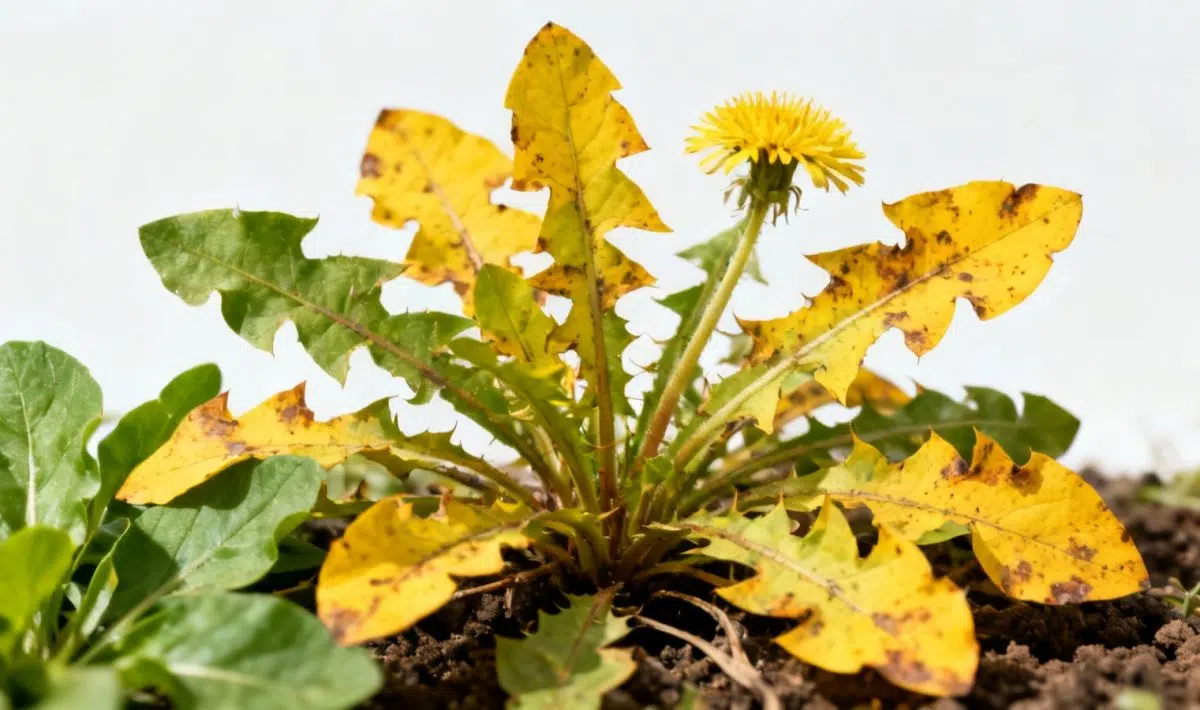
Seeing your common dandelion leaves turning yellow can be concerning, especially when you’re trying to maintain a healthy garden. While dandelions are incredibly resilient plants, several factors can cause their vibrant green leaves to fade to yellow. Understanding these causes will help you take the right action to restore your plants to their natural beauty.
Yellow leaves on dandelions are actually quite common and often indicate natural plant processes or environmental stress. From seasonal changes to watering issues, the reasons behind this color change are usually manageable once you know what to look for. Let’s explore the main causes and discover how you can help your dandelions thrive year-round.
Understanding natural seasonal changes in dandelion leaves
During spring and summer, dandelions naturally undergo various growth phases that can affect leaf color. As temperatures rise in June and throughout the warmer months, older leaves may turn yellow as the plant redirects energy to producing new growth and flowers. This process is completely normal and shows that your plants are healthy and adapting to seasonal changes.
✅ Quick Checklist
- Is the soil too wet or too dry?
- Is the plant getting 6+ hours of sunlight daily?
- Have you fertilized in the last 2 months?
- Are there visible pests under the leaves?
- Does the pot have adequate drainage?
Diagnose your plant in one click!
AI instant diagnosis • Personalized solutions • 50,000+ species
The natural aging process of leaves also plays a role in color changes. As dandelions mature throughout the year, they shed older yellow leaves to make room for fresh green growth. This renewal process helps the plant maintain its energy and focus resources on producing vibrant flowers and healthy foliage.
Watering issues affecting dandelion leaf health
One of the most common reasons for yellowing leaves is improper watering. Too much water can cause root rot, which prevents the plant from absorbing nutrients properly, leading to yellow and wilted foliage. Conversely, insufficient water stress can also cause leaves to turn yellow as the plant tries to conserve moisture.
To determine if watering is the issue, check the soil moisture about two inches deep. The soil should be moist but not waterlogged. In field conditions or prairie gardens, dandelions typically prefer well-draining soil that doesn’t hold excess moisture. Adjust your watering schedule based on weather conditions and soil type for optimal results.
Nutrient deficiencies and soil conditions
Poor soil nutrition can significantly impact leaf color in dandelions. Nitrogen deficiency is particularly common and causes leaves to turn yellow from the bottom up. When plants don’t get enough nutrients from the soil, they’ll redirect available resources to newer growth, leaving older leaves yellow and eventually causing them to drop.
Testing your soil can help identify specific nutrient deficiencies. Adding organic compost or a balanced fertilizer can restore proper nutrition and help maintain healthy green leaves. Focus on providing consistent nutrition throughout the growing season, especially during active growth periods in spring and early summer.
Light exposure and environmental factors
Dandelions thrive in full sun conditions and need adequate light exposure to maintain their vibrant green color. When plants receive insufficient sunlight, they may develop yellow leaves as chlorophyll production decreases. This is especially noticeable when dandelions grow under trees or in shaded areas of your garden.
Similarly to how common hornbeam leaf yellowing causes can vary between species, dandelions have specific light requirements that must be met. Ensure your plants receive at least six hours of direct sunlight daily for optimal leaf health and color retention.
Pest and disease considerations
Various pests and diseases can cause yellowing in dandelion leaves. Aphids, spider mites, and other small insects can damage leaves and interfere with the plant’s ability to photosynthesize effectively. Regular inspection of your plants will help you catch these issues early.
Fungal diseases can also affect leaf color, particularly in humid conditions or when plants are overcrowded. Proper air circulation and avoiding overhead watering can help prevent many common plant diseases that cause leaf yellowing.
✅ Quick Checklist
- Is the soil too wet or too dry?
- Is the plant getting 6+ hours of sunlight daily?
- Have you fertilized in the last 2 months?
- Are there visible pests under the leaves?
- Does the pot have adequate drainage?
Diagnose your plant in one click!
AI instant diagnosis • Personalized solutions • 50,000+ species
Practical solutions for healthy dandelion care
When you notice yellow leaves on your dandelions, start by removing any damaged or completely yellow foliage. This helps redirect the plant’s energy to healthy growth and prevents potential disease spread. Use clean garden shears to make precise cuts near the base of affected leaves.
Just as with yellowing leaves of common columbine issues, addressing the underlying cause is crucial for long-term plant health. Establish a consistent care routine that includes proper watering, adequate nutrition, and regular monitoring for signs of stress or disease.
Prevention strategies for year-round health
Maintaining healthy dandelions requires attention to their basic needs throughout the growing season. Provide consistent moisture without overwatering, ensure adequate sunlight exposure, and feed your plants with balanced nutrition during active growth periods. These simple steps will help prevent many common issues that lead to leaf yellowing.
Regular observation of your plants allows you to catch problems early when they’re easier to address. Check your dandelions weekly for changes in leaf color, signs of pests, or environmental stress. This proactive approach helps maintain vibrant green foliage and healthy flowers throughout the growing season.
Remember that occasional yellow leaves are normal as plants age and renew themselves. Focus on overall plant health rather than perfect appearance, and your dandelions will continue to thrive in your garden space. With proper care and attention, these resilient plants will reward you with beautiful green leaves and cheerful yellow flowers year after year.

Allan is a lifelong gardening enthusiast who still gets excited when the first seedlings pop up in spring. With a deep love for nature and a hands-in-the-soil approach, he shares practical tips, plant discoveries, and clever tricks picked up over years of digging, planting, and observing. Whether you’re a new gardener or have a shed full of tools, Allan writes like a neighbor who’s always happy to swap cuttings and stories over the fence.
You can find more about Allan’s work on Malt or connect with him on LinkedIn.


