Why are my black cherry leaves turning yellow – causes and solutions
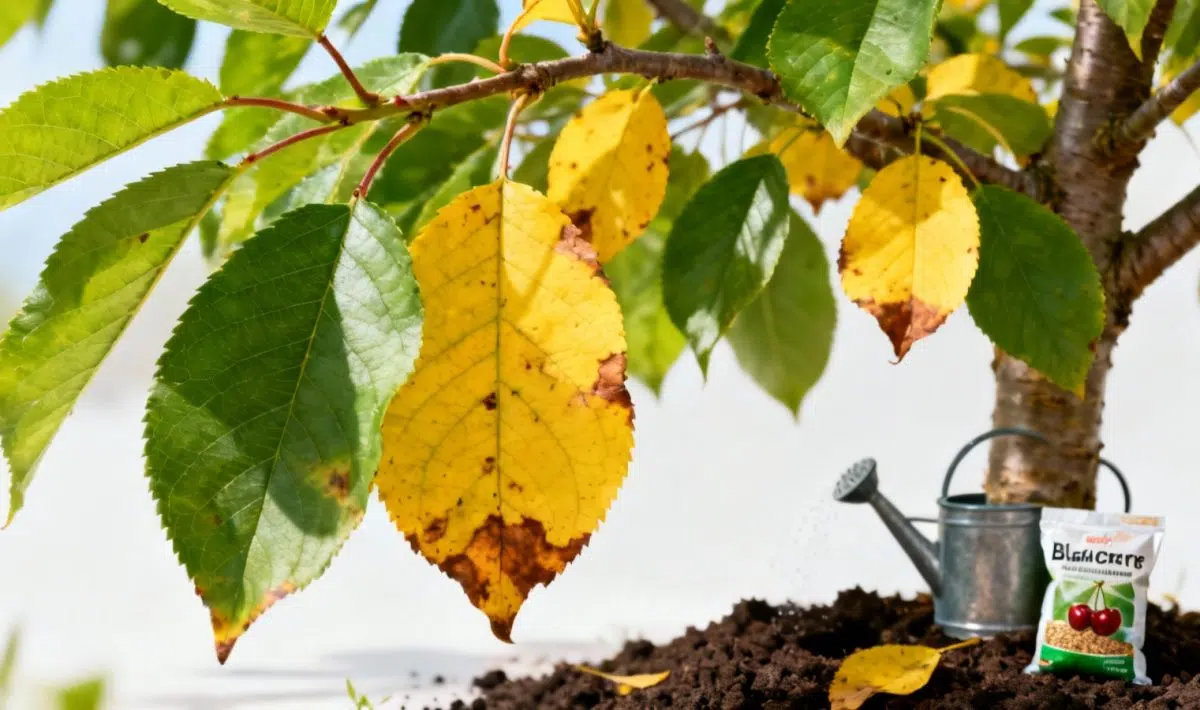
Seeing your beautiful black cherry tree with yellowing leaves can be quite concerning. This common issue affects many gardeners, but the good news is that most causes are treatable once you identify the root problem. Yellow leaves on black cherry trees typically signal stress from environmental conditions, nutrient deficiencies, or disease issues that require your attention.
Understanding why your cherry tree is struggling helps you take the right steps to restore its health. From watering problems to soil conditions, several factors can cause this yellowing effect. Let’s explore the most common reasons and practical solutions to get your tree back to its vibrant green state.
The transformation from green to yellow leaves happens when chlorophyll breaks down, often due to stress factors affecting your tree’s health. Environmental conditions play a major role in this process, with both too much and too little water causing significant problems for black cherry trees.
✅ Quick Checklist
Is the soil too wet or too dry?
Is the plant getting 6+ hours of sunlight daily?
Have you fertilized in the last 2 months?
Are there visible pests under the leaves?
Does the pot have adequate drainage?
🔥 FREE
📱
Diagnose your plant in one click!
AI instant diagnosis • Personalized solutions • 50,000+ species
Overwatering ranks as one of the most frequent culprits behind yellow cherry leaves. When soil stays consistently wet, roots can’t access the oxygen they need, leading to root rot and nutrient uptake problems. The tree responds by dropping older leaves that turn yellow first, usually starting from the bottom branches.
Conversely, drought stress also triggers yellowing as the tree conserves water by shedding leaves. Black cherry trees prefer well-draining soil that retains some moisture but never becomes waterlogged. Check soil moisture by inserting your finger about two inches deep – it should feel slightly moist but not soggy.
Nutrient deficiencies affecting leaf color
Nitrogen deficiency commonly causes yellowing from the bottom leaves upward, as the tree moves this essential nutrient to newer growth. Iron deficiency creates a different pattern, with leaves turning yellow while veins remain green, a condition called chlorosis.
Potassium deficiency typically shows as yellowing leaf edges that progress inward. These nutrient problems often occur in poor soil conditions or when the tree has been in the same location for many years without fertilization. Soil testing helps identify which specific nutrients your tree needs.
Disease and pest problems
Fungal diseases like cherry leaf spot cause yellowing with distinctive dark spots on leaves. Bacterial infections can also trigger yellowing along with wilting and brown patches. These diseases thrive in humid conditions with poor air circulation around the tree.
Aphids, spider mites, and scale insects stress trees by feeding on leaf tissue and sap. Heavy infestations weaken the tree’s ability to photosynthesize effectively, resulting in yellow leaves. Similar to reasons for yellowing pomegranate leaves, pest damage often appears gradually and worsens without intervention.
Environmental factors causing stress
Temperature fluctuations during spring and fall can shock black cherry trees, especially young ones that haven’t established deep root systems. Sudden cold snaps or unseasonably warm weather disrupts normal plant processes.
Poor soil drainage creates ongoing stress that manifests as yellowing leaves throughout the growing season. Heavy clay soils or areas where water pools after rain prevent proper root function. Compacted soil around the tree base also limits oxygen availability to roots.
Sunlight and location issues
Black cherry trees require full sun for optimal health, meaning at least six hours of direct sunlight daily. Trees planted in shaded locations often develop weak, yellowing foliage as they struggle to photosynthesize efficiently.
Competition from nearby plants or structures that block light contributes to this problem. Additionally, reflected heat from pavement or buildings can stress trees, particularly during hot summer months when combined with inadequate watering.
Effective solutions for yellow leaves
Start by addressing watering practices, which often provides the quickest improvement. Water deeply but less frequently, allowing soil to dry slightly between waterings. For established trees, this typically means one thorough watering per week during dry periods.
Apply a balanced fertilizer in early spring to address nutrient deficiencies. Look for formulations with equal amounts of nitrogen, phosphorus, and potassium, plus micronutrients like iron. Organic compost worked into the soil around the tree base also provides slow-release nutrition.
Disease and pest management
Remove affected leaves and dispose of them away from the tree to prevent disease spread. Improve air circulation by pruning crossing branches and thinning dense growth. For severe infections, copper-based fungicides can help control bacterial and fungal problems.
Treat pest infestations with insecticidal soap or horticultural oil, focusing on leaf undersides where many pests hide. Just as with causes of yellowing peppermint leaves, addressing pest problems early prevents more serious damage to your plants.
✅ Quick Checklist
Is the soil too wet or too dry?
Is the plant getting 6+ hours of sunlight daily?
Have you fertilized in the last 2 months?
Are there visible pests under the leaves?
Does the pot have adequate drainage?
🔥 FREE
📱
Diagnose your plant in one click!
AI instant diagnosis • Personalized solutions • 50,000+ species
Mulch around the tree base with organic materials like wood chips or compost, keeping mulch several inches away from the trunk. This helps maintain soil moisture while preventing root rot near the main stem.
Regular pruning during dormant season removes dead or diseased wood and improves overall tree structure. Focus on removing water sprouts and suckers that drain energy from the main branches. Proper pruning also enhances air circulation, reducing disease risk.
When to seek professional help
If yellowing continues despite your care efforts, consider consulting a certified arborist. Persistent problems might indicate serious root damage, advanced disease, or soil issues that require professional diagnosis and treatment.
Large trees showing sudden, widespread yellowing need immediate attention, as this often signals severe stress or disease that could threaten the tree’s survival. Professional tree services have specialized equipment and treatments not available to home gardeners.
Prevention for future seasons
Establish a regular care routine that includes proper watering, annual fertilization, and seasonal inspections for pest or disease signs. Healthy trees with strong root systems resist stress much better than struggling specimens.
Consider soil improvement projects if drainage problems persist. Adding organic matter or installing drainage systems prevents recurring water-related issues that cause yellow leaves year after year.
Remember that black cherry trees are resilient plants that often recover well from temporary stress. With proper care and attention to their basic needs, your tree should return to producing healthy green foliage and delicious black fruits for many years to come.
Allan is a lifelong gardening enthusiast who still gets excited when the first seedlings pop up in spring. With a deep love for nature and a hands-in-the-soil approach, he shares practical tips, plant discoveries, and clever tricks picked up over years of digging, planting, and observing. Whether you’re a new gardener or have a shed full of tools, Allan writes like a neighbor who’s always happy to swap cuttings and stories over the fence.
You can find more about Allan’s work on Malt or connect with him on LinkedIn.