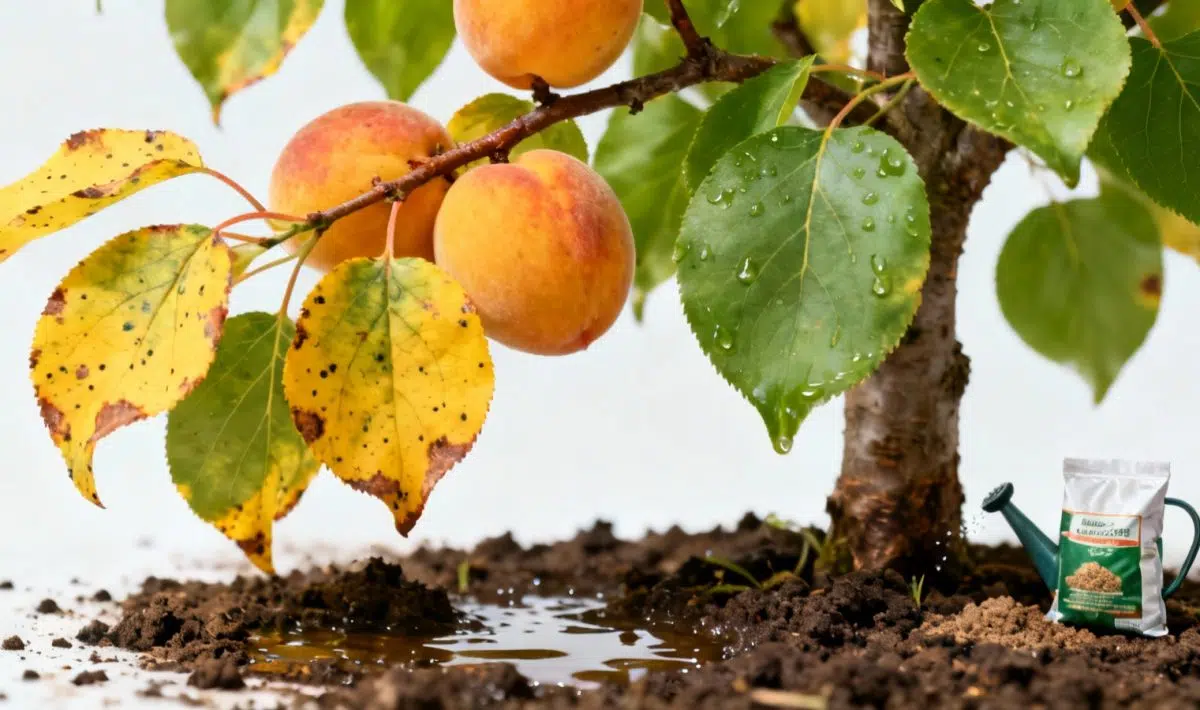
Why are my apricot leaves turning yellow – causes and treatment solutions
Today, I’m sharing with you everything you need to know about those worrying yellow leaves that can appear on your apricot tree. This common issue affects many gardeners, and understanding the underlying causes is the first step toward restoring your tree’s health. Whether you’re dealing with a young sapling or a mature fruit-bearing tree, yellowing leaves often signal that something needs your attention.
The good news is that most cases of yellow leaves on apricot trees are treatable once you identify the root cause. From nutritional deficiencies to environmental stress, several factors can trigger this response in your plant. Let’s explore the most common reasons and what you can do about them.
Understanding the main causes of yellow apricot leaves
When your apricot tree starts showing yellow leaves, it’s essentially communicating that something in its environment or care routine needs adjustment. Trees are remarkable plants that often display visible symptoms before serious damage occurs, giving you time to intervene effectively.
The yellowing process, known scientifically as chlorosis, happens when chlorophyll production decreases or breaks down. This can occur for various reasons, and identifying the specific cause is crucial for applying the right treatment.
Nutritional deficiencies in apricot trees
One of the most frequent causes of yellow leaves is nutrient deficiency, particularly nitrogen, iron, or magnesium shortage. Nitrogen deficiency typically causes older leaves to turn yellow first, starting from the bottom of the tree and working upward. The yellowing usually appears uniform across the leaf surface.
Iron deficiency, also called iron chlorosis, creates a different pattern. You’ll notice that leaves turn yellow while the veins remain green, creating a distinctive striped appearance. This condition is more common in trees planted in alkaline soil, where iron becomes less available to the plant’s root system.
Magnesium deficiency shows up as yellowing between the leaf veins, but unlike iron deficiency, it typically affects older leaves first. The yellowing may also be accompanied by browning or reddish edges on the leaves.
✅ Quick Checklist
Is the soil too wet or too dry?
Is the plant getting 6+ hours of sunlight daily?
Have you fertilized in the last 2 months?
Are there visible pests under the leaves?
Does the pot have adequate drainage?
🔥 FREE
📱
Diagnose your plant in one click!
AI instant diagnosis • Personalized solutions • 50,000+ species
Both overwatering and underwatering can cause apricot leaves to turn yellow, though they manifest differently. Overwatered trees often develop yellow leaves that feel soft or mushy, and you may notice a decline in the overall vigor of branches and trunk. The soil around an overwatered tree typically stays soggy much longer after watering.
Underwatered apricot trees show yellowing that starts with wilting, and the leaves may also become crispy or brittle. The soil around these trees pulls away from the trunk and feels extremely dry several inches down. This year, with climate variations affecting many regions, water stress has become increasingly common in fruit trees.
Disease and pest problems
Several diseases can cause yellowing in apricot leaves, with bacterial canker and brown rot being among the most serious. These conditions not only affect the leaves but can also impact the branches and fruit production. Early identification is crucial for effective treatment.
Aphids and spider mites are common pests that can cause yellowing by sucking nutrients from the leaves. Similar issues affect other fruit trees – for instance, you might find helpful insights about understanding yellowing pomegranate leaves that share similar pest-related problems.
Fungal infections like verticillium wilt can also trigger leaf yellowing, usually starting with one section of the tree before spreading. These infections are particularly problematic because they affect the tree’s vascular system.
Environmental factors affecting apricot tree health
Environmental stress plays a significant role in leaf yellowing. Apricot trees are sensitive to sudden temperature changes, and extreme heat or cold snaps can trigger defensive responses, including chlorophyll breakdown. This is particularly common during transition seasons when temperatures fluctuate dramatically.
Soil pH imbalances can also cause yellowing, especially when the soil becomes too alkaline. Apricot trees prefer slightly acidic to neutral soil, and when the pH rises above 7.5, they struggle to absorb essential nutrients effectively. Poor soil drainage compounds this problem by creating conditions that prevent proper root function.
Light and air circulation
Insufficient sunlight can contribute to yellowing, particularly in the interior branches of dense trees. Apricot trees need abundant light for photosynthesis, and shaded areas often develop pale, yellowish foliage that eventually drops.
Poor air circulation around the tree creates humid conditions that favor fungal development. Just as reasons for yellowing honeysuckle leaves often relate to air circulation problems, apricot trees benefit from proper spacing and pruning to maintain good airflow.
Practical solutions for yellow apricot leaves
Once you’ve identified the likely cause of yellowing, you can take targeted action to help your tree recover. The key is to address the underlying problem rather than just treating the symptoms.
Improving soil nutrition and pH
For nutritional deficiencies, start with a soil test to determine exactly what your tree needs. Nitrogen deficiency responds well to organic fertilizers like compost or well-aged manure applied in early spring. For iron deficiency, consider using iron chelate or sulfur to lower soil pH and improve iron availability.
Magnesium deficiency can be corrected with Epsom salt applications – dissolve 2 tablespoons in a gallon of water and apply monthly during the growing season. However, avoid over-fertilizing, as this can create new problems and potentially harm beneficial soil organisms.
✅ Quick Checklist
Is the soil too wet or too dry?
Is the plant getting 6+ hours of sunlight daily?
Have you fertilized in the last 2 months?
Are there visible pests under the leaves?
Does the pot have adequate drainage?
🔥 FREE
📱
Diagnose your plant in one click!
AI instant diagnosis • Personalized solutions • 50,000+ species
Establish a consistent watering schedule that provides deep, infrequent irrigation rather than frequent shallow watering. During hot weather, young trees may need water twice weekly, while mature specimens can often survive on weekly deep watering sessions.
Install drip irrigation or soaker hoses to ensure water reaches the root zone efficiently. Mulching around the base of the tree helps retain moisture and regulate soil temperature, but keep the mulch several inches away from the trunk to prevent pest and disease issues.
Disease and pest management
For bacterial infections, remove affected branches and dispose of them away from your garden. Sterilize pruning tools between cuts with rubbing alcohol. Copper-based fungicides can help control bacterial canker when applied according to label directions.
Pest management starts with regular inspection. Look under leaves for signs of aphids, spider mites, or scale insects. Beneficial insects like ladybugs and lacewings naturally control many pest populations, so avoid broad-spectrum pesticides that might harm these allies.
Prevention strategies for healthy apricot trees
Preventing yellow leaves is much easier than treating them after they appear. Regular monitoring of your tree’s health allows you to spot potential problems early, when they’re most manageable.
Proper planting location is crucial for long-term success. Choose a site with morning sun, good air circulation, and well-draining soil. Avoid low-lying areas where cold air settles, as apricot trees are susceptible to late frost damage that can trigger stress responses.
Seasonal care routine
Develop a yearly care schedule that includes spring fertilizing, summer watering adjustments, fall cleanup, and winter protection. Regular pruning during dormancy improves air circulation and removes potential disease sources before they become problems.
Monitor your tree weekly during the growing season, checking for changes in leaf color, new growth patterns, and signs of stress. Early intervention prevents minor issues from becoming major health crises that could affect fruit production for multiple years.
Remember that healthy trees are more resistant to diseases, pests, and environmental stress. By maintaining proper nutrition, watering, and care practices, you’ll give your apricot tree the best chance of producing beautiful, healthy foliage year after year. The investment in preventive care pays dividends in both tree health and fruit quality.
Allan is a lifelong gardening enthusiast who still gets excited when the first seedlings pop up in spring. With a deep love for nature and a hands-in-the-soil approach, he shares practical tips, plant discoveries, and clever tricks picked up over years of digging, planting, and observing. Whether you’re a new gardener or have a shed full of tools, Allan writes like a neighbor who’s always happy to swap cuttings and stories over the fence.
You can find more about Allan’s work on Malt or connect with him on LinkedIn.