
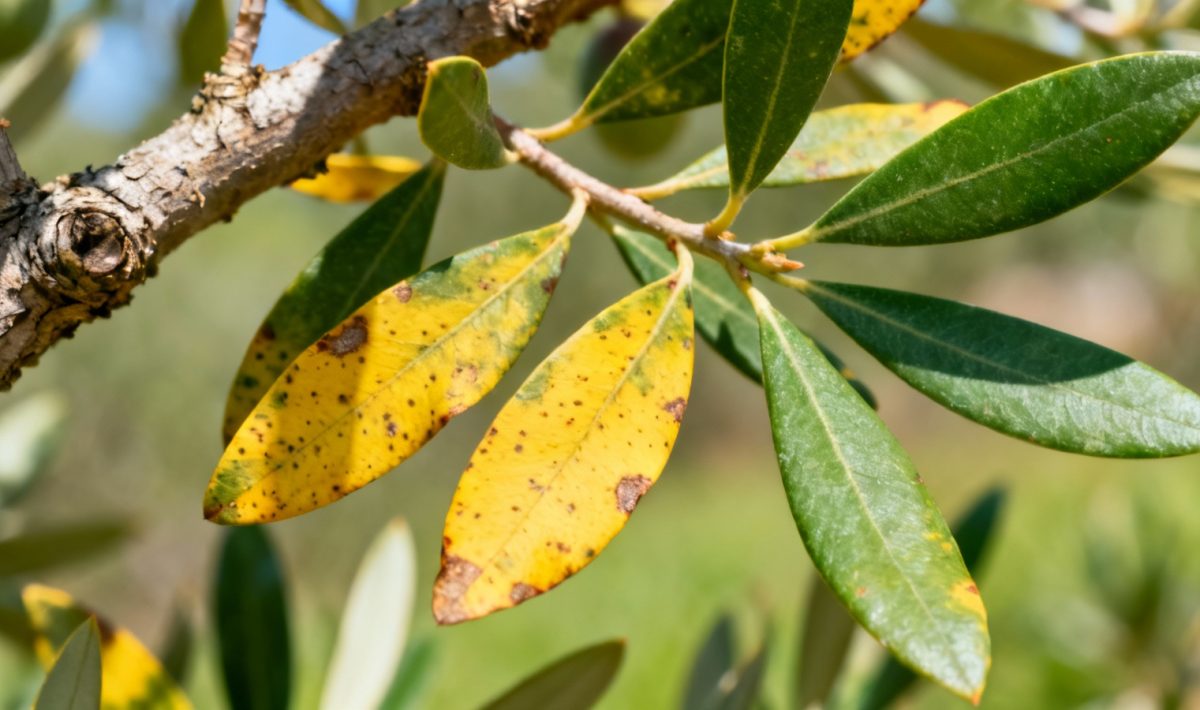
There’s nothing quite as concerning as watching your beautiful olive tree’s leaves gradually turn yellow. If you’ve been wondering why are my olive leaves turning yellow, you’re certainly not alone. This common issue affects many olive growers, but the good news is that most causes are entirely fixable with the right approach and a bit of patience.
Understanding what triggers this color change is the first step toward restoring your olive tree’s vibrant green foliage. From watering mishaps to nutrient deficiencies, several factors can cause those precious leaves to lose their healthy appearance. Let’s dive into the most common culprits and discover how to bring your olive tree back to its former glory.
Understanding the main causes behind yellowing leaves
Olive trees are remarkably resilient, but they do communicate their distress through their foliage. When leaves turn yellow, your tree is essentially sending you a message that something in its environment needs attention. The key is learning to read these signals correctly.
Most yellowing issues stem from either too much or too little of something essential. This could be water, nutrients, sunlight, or even space for the roots to breathe. The good news is that once you identify the specific cause, the solution typically follows a straightforward path.
✅ Quick Checklist
- Is the soil too wet or too dry?
- Is the plant getting 6+ hours of sunlight daily?
- Have you fertilized in the last 2 months?
- Are there visible pests under the leaves?
- Does the pot have adequate drainage?
Diagnose your plant in one click!
AI instant diagnosis • Personalized solutions • 50,000+ species
Watering problems that cause yellow leaves
The overwatering trap
Many well-intentioned gardeners actually love their olive trees to death with too much water. Olive trees prefer a “drought and flood” approach rather than constant moisture. When the soil stays perpetually wet, the roots can’t breathe properly, leading to root rot and yellowing leaves.
Signs of overwatering include yellowing leaves that feel soft or mushy, a musty smell from the soil, and leaves that drop easily when touched. The soil will feel soggy even days after watering, and you might notice fungal growth on the surface.
Underwatering stress
On the flip side, olive trees that don’t receive enough water will also develop yellow leaves, but these typically feel dry and crispy to the touch. The yellowing usually starts with older leaves first, as the plant redirects its limited resources to younger growth.
During hot summer periods, even drought-tolerant olive trees need consistent moisture. If you notice the soil pulling away from the edges of the pot or becoming hard and cracked, it’s time to adjust your watering routine.
Nutrient deficiencies and feeding issues
Nitrogen shortage symptoms
When olive trees lack sufficient nitrogen, the older leaves turn yellow first while the newer growth remains green. This creates a distinctive pattern that’s relatively easy to identify. Nitrogen is crucial for producing the chlorophyll that keeps leaves their vibrant green color.
A quality liquid fertilizer designed for olive trees can quickly address nitrogen deficiencies. Look for products with a balanced NPK ratio that includes micronutrients. Apply during the growing season for best results.
Iron deficiency concerns
Iron deficiency creates a specific type of yellowing called chlorosis, where leaves turn yellow but the veins remain green. This creates a distinctive striped appearance that’s quite different from other nutrient deficiencies.
Iron deficiency often occurs when the soil pH is too high, preventing the plant from absorbing available iron. Testing your soil pH and adjusting it to the slightly acidic range that olive trees prefer can resolve this issue.
Environmental factors affecting leaf health
Temperature stress and seasonal changes
Olive trees are generally hardy, but sudden temperature changes can shock them into dropping leaves. Cold snaps in late spring or early winter can cause yellowing, especially if the plant hasn’t had time to gradually acclimate.
Indoor olive trees are particularly susceptible to temperature fluctuations. Keep them away from heating vents, air conditioning units, and drafty windows. A consistent temperature between 60-70°F works well for most varieties.
Light requirements and positioning
Insufficient light is a common culprit behind yellowing olive leaves, particularly for indoor plants. Olive trees need at least six hours of direct sunlight daily to maintain their health and vibrant green color.
If you’re growing olive trees indoors, consider using grow lights to supplement natural sunlight during winter months. Position them near your brightest south-facing window for optimal results.
Pest and disease management
Common olive tree pests
Scale insects and aphids are frequent visitors to olive trees, and their feeding activity can cause yellowing leaves. These tiny pests suck plant juices, weakening the tree and causing stress that manifests as yellow foliage.
Regular inspection of your olive tree helps catch pest problems early. Check the undersides of leaves and along stems for signs of insect activity. A strong spray of water or insecticidal soap often resolves minor infestations. Just like with other fruit trees, understanding causes of yellowing pomegranate leaves can provide insights into similar pest management strategies.
Fungal disease prevention
Fungal diseases thrive in consistently moist conditions and can cause significant yellowing of olive leaves. Powdery mildew and various leaf spot diseases are common culprits that require prompt attention.
Improving air circulation around your olive tree helps prevent fungal issues. Avoid overhead watering and ensure the plant isn’t crowded against walls or other vegetation.
Soil conditions and drainage solutions
Drainage requirements
Poor drainage is probably the number one killer of olive trees. These Mediterranean natives evolved in rocky, well-draining soils and simply cannot tolerate “wet feet.” Soggy soil leads to root rot, which quickly manifests as yellowing leaves.
For potted olive trees, ensure your container has multiple drainage holes. Add a layer of gravel or broken pottery shards at the bottom before adding potting mix. Choose a well-draining potting soil specifically designed for Mediterranean plants.
Soil pH and composition
Olive trees prefer slightly alkaline soil with a pH between 6.5 and 7.5. Soil that’s too acidic can prevent proper nutrient uptake, leading to deficiency symptoms including yellowing leaves.
If you suspect pH issues, invest in a simple soil testing kit. Most garden centers carry affordable options that give quick results. Adjusting pH takes time, so be patient with the process.
✅ Quick Checklist
- Is the soil too wet or too dry?
- Is the plant getting 6+ hours of sunlight daily?
- Have you fertilized in the last 2 months?
- Are there visible pests under the leaves?
- Does the pot have adequate drainage?
Diagnose your plant in one click!
AI instant diagnosis • Personalized solutions • 50,000+ species
Step-by-step recovery plan
Immediate assessment and action
Start by examining the overall condition of your olive tree. Remove any obviously dead, diseased, or severely yellowed leaves to redirect the plant’s energy toward healthy growth. This also helps prevent the spread of any potential diseases.
Check the soil moisture by inserting your finger about two inches deep. The soil should feel slightly damp but not soggy. If it’s waterlogged, improve drainage immediately. If it’s bone dry, water thoroughly but allow excess water to drain away.
Long-term care adjustments
Develop a consistent care routine that includes regular monitoring of soil moisture, monthly feeding during the growing season, and quarterly deep inspections for pests or diseases. Similar yellowing issues can affect other climbing plants, and understanding reasons for yellowing honeysuckle leaves can provide additional insights into plant stress management.
Position your olive tree where it receives maximum sunlight and good air circulation. If growing indoors, rotate the pot weekly to ensure even light exposure on all sides.
Prevention strategies for healthy olive trees
Establishing proper care routines
Prevention is always easier than treatment when it comes to plant health. Establish a watering schedule based on your climate and growing conditions rather than following a rigid calendar. Check soil moisture regularly and adjust accordingly.
Feed your olive tree with a balanced fertilizer every 4-6 weeks during the growing season. Reduce feeding frequency in winter when growth naturally slows down. Choose fertilizers specifically formulated for olive trees or Mediterranean plants for best results.
Remember that healthy olive trees are naturally resilient. With proper care, attention to their basic needs, and quick action when problems arise, your olive tree should reward you with years of beautiful, healthy green foliage. The key is staying observant and responding promptly to any changes in your plant’s appearance or behavior.

Allan is a lifelong gardening enthusiast who still gets excited when the first seedlings pop up in spring. With a deep love for nature and a hands-in-the-soil approach, he shares practical tips, plant discoveries, and clever tricks picked up over years of digging, planting, and observing. Whether you’re a new gardener or have a shed full of tools, Allan writes like a neighbor who’s always happy to swap cuttings and stories over the fence.
You can find more about Allan’s work on Malt or connect with him on LinkedIn.


