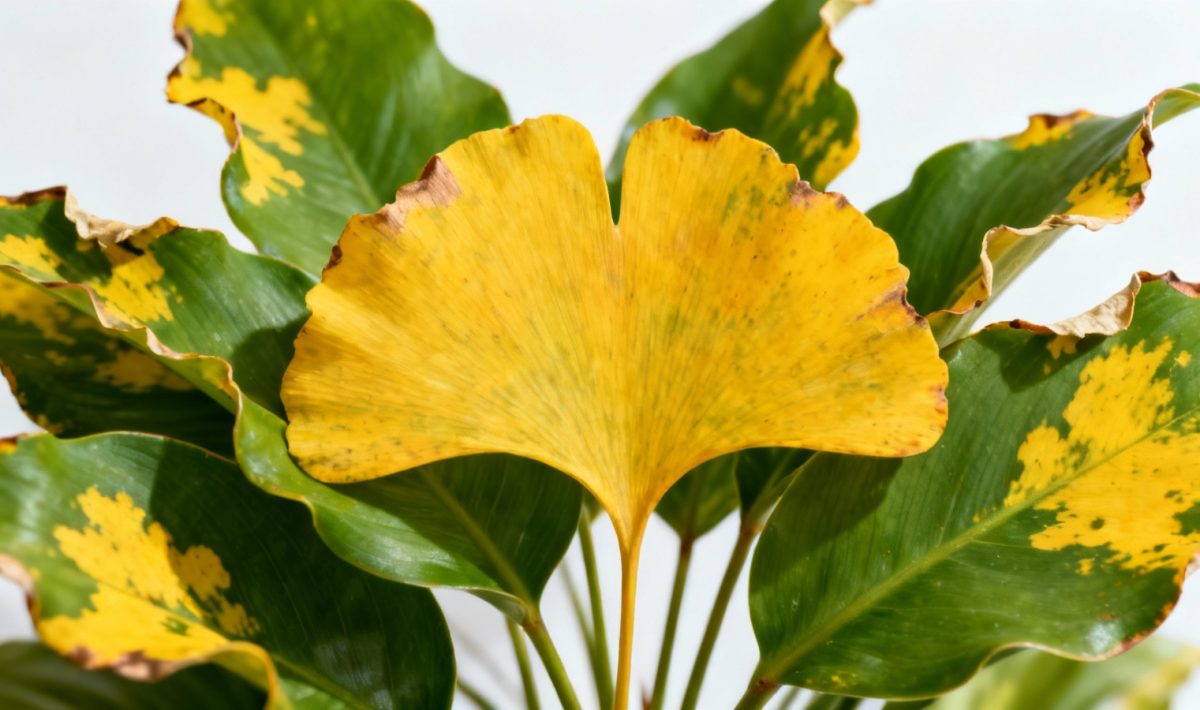
Why are my peacock plant leaves turning yellow – causes and solutions
Seeing your beautiful peacock plant’s leaves turn yellow can be quite concerning, especially when you’ve been caring for it with love. However, this common issue has several identifiable causes that you can address with the right approach. Understanding why this happens is the first step toward getting your plant back to its vibrant, healthy state.
The good news is that yellowing leaves often indicate easily fixable problems rather than serious plant diseases. Most of the time, it’s about adjusting your care routine to better meet your plant’s specific needs. Let’s explore what might be causing this issue and how you can restore your peacock plant to full health.
Common reasons for peacock plant leaves turning yellow
Several factors can cause your peacock plant’s leaves to turn yellow, but the most frequent culprits are watering issues and lighting problems. These plants are quite particular about their environment, and even small changes can affect their appearance. When you notice yellowing, it’s usually your plant’s way of telling you that something in its care routine needs adjustment.
The key is to observe your plant closely and consider what changes you might have made recently. Have you moved it to a different spot? Changed your watering schedule? These details can help you identify the root cause more quickly.
Watering problems – too much or too little
Water-related issues are by far the most common reason for yellowing leaves on peacock plants. These plants prefer consistently moist soil, but not soggy conditions. When you water too frequently, the roots can become waterlogged, leading to root rot and yellowing leaves that often start from the bottom of the plant.
On the other hand, if you let the soil dry out completely between waterings, your plant will also respond with yellowing leaves. The trick is finding that perfect balance where the soil stays slightly moist but never becomes waterlogged. You can test this by inserting your finger about an inch into the soil – it should feel slightly damp but not wet.
✅ Quick Checklist
Is the soil too wet or too dry?
Is the plant getting 6+ hours of sunlight daily?
Have you fertilized in the last 2 months?
Are there visible pests under the leaves?
Does the pot have adequate drainage?
🔥 FREE
📱
Diagnose your plant in one click!
AI instant diagnosis • Personalized solutions • 50,000+ species
Peacock plants thrive in bright, indirect light but can struggle when exposed to direct sunlight or kept in very dark areas. Too much direct sun can scorch their leaves, causing them to yellow and eventually brown. This is particularly common when plants are placed near south-facing windows without any protection from the harsh afternoon sun.
Conversely, insufficient light can also cause yellowing as the plant struggles to photosynthesize properly. If your plant is in a corner that never sees natural light, it might be time to relocate it to a brighter spot. The ideal location would be near an east or north-facing window where it can receive plenty of ambient light without direct exposure.
Nutrient deficiencies and poor soil quality
When peacock plants don’t receive adequate nutrients, their leaves often turn yellow as a sign of distress. This is especially common with nitrogen deficiency, which typically affects older leaves first. You might notice that the yellowing starts with the lower leaves and gradually moves upward if nutrition is the issue.
Poor drainage can also contribute to nutrient problems by preventing roots from absorbing what they need effectively. Make sure your pot has drainage holes and that you’re using a well-draining potting mix designed for houseplants. Similar to solutions for yellowing arrowhead plant leaves, addressing drainage issues often resolves multiple problems simultaneously.
The role of proper hydration in plant health
Understanding how water affects your peacock plant goes beyond just frequency – it’s about creating the right moisture environment. These plants naturally grow in humid conditions, so they appreciate not just moist soil but also adequate humidity in the air around them.
The quality of water you use can also make a significant difference. Tap water that’s high in chlorine or fluoride can gradually harm your plant over time. If possible, use filtered water or let tap water sit out overnight before using it, allowing chlorine to evaporate naturally.
Signs of overwatering vs underwatering
Overwatering typically produces yellow leaves that feel soft and mushy, often accompanied by a musty smell from the soil. You might also notice that the yellowing occurs more rapidly and affects multiple leaves at once. The soil will feel soggy and may have fungus gnats hovering around it.
Underwatering, on the other hand, usually results in yellow leaves that feel dry and crispy. The yellowing tends to happen more gradually, and the soil will be noticeably dry when you check it. The plant might also appear droopy overall, not just in the yellowing leaves.
When and how to remove yellowing leaves
Once a leaf has turned completely yellow, it won’t return to its original green color, so it’s best to remove it to help your plant focus its energy on healthy growth. Use clean, sharp scissors or pruning shears to cut the yellowing leaves at their base, being careful not to damage surrounding healthy tissue.
However, don’t rush to cut leaves that are only partially yellow – sometimes plants can recover these leaves if you address the underlying problem quickly enough. Wait until a leaf is more than 50% yellow before removing it, and always sanitize your cutting tools to prevent spreading any potential diseases.
Proper cutting techniques
When you do need to remove yellowing leaves, make clean cuts close to the main stem or soil level. Avoid leaving stubs, as these can become entry points for bacteria or fungi. After cutting, you can apply a small amount of cinnamon powder to the cut area as a natural antifungal treatment.
Always remove yellowing leaves during the morning hours when the plant is most active and can heal more effectively. This timing helps reduce stress on your peacock plant and promotes faster recovery.
Effective solutions to restore your plant’s health
Once you’ve identified the cause of the yellowing leaves, you can take specific steps to help your plant recover. Start by adjusting your watering schedule – aim to water when the top inch of soil feels dry but before the plant shows signs of stress.
Consider relocating your plant if light conditions seem to be the problem. Many plant owners find that moving their peacock plant to a different room or adjusting its distance from windows makes a dramatic difference within a few weeks.
✅ Quick Checklist
Is the soil too wet or too dry?
Is the plant getting 6+ hours of sunlight daily?
Have you fertilized in the last 2 months?
Are there visible pests under the leaves?
Does the pot have adequate drainage?
🔥 FREE
📱
Diagnose your plant in one click!
AI instant diagnosis • Personalized solutions • 50,000+ species
Prevention is always better than treatment when it comes to plant care. Establish a consistent routine that includes checking soil moisture twice a week, rotating your plant occasionally for even light exposure, and fertilizing monthly during the growing season with a balanced, diluted fertilizer.
Keep an eye on environmental factors like temperature and humidity as well. Peacock plants prefer temperatures between 65-75°F and humidity levels above 50%. You can increase humidity by placing a water tray near the plant or using a humidifier. Just like with addressing yellow leaves on honeysuckle, consistent environmental conditions often prevent many common problems.
When to seek professional help
If you’ve tried adjusting watering, lighting, and nutrition but the yellowing continues to spread rapidly, it might be time to consult with a plant specialist or your local nursery. Sometimes underlying issues like root rot or pest infestations require more aggressive treatment than basic care adjustments can provide.
Don’t wait too long if you notice other symptoms like black spots, unusual odors, or visible pests. Early intervention can often save a plant that might otherwise be lost to more serious problems that develop over time.
Allan is a lifelong gardening enthusiast who still gets excited when the first seedlings pop up in spring. With a deep love for nature and a hands-in-the-soil approach, he shares practical tips, plant discoveries, and clever tricks picked up over years of digging, planting, and observing. Whether you’re a new gardener or have a shed full of tools, Allan writes like a neighbor who’s always happy to swap cuttings and stories over the fence.
You can find more about Allan’s work on Malt or connect with him on LinkedIn.