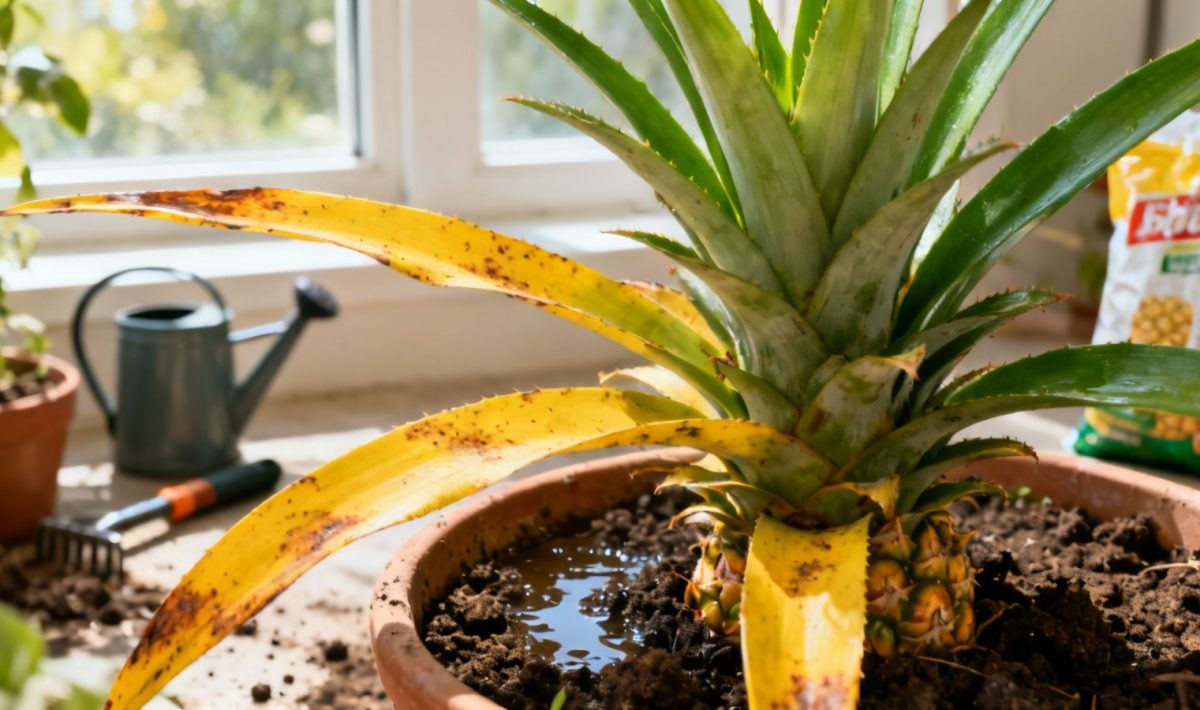
Why are my pineapple leaves turning yellow – causes and solutions
Seeing your pineapple plant’s leaves turn yellow can be quite alarming, especially when you’ve been nurturing it with care. This common issue affects many pineapple growers, but the good news is that yellow leaves are often your plant’s way of communicating specific needs. Understanding these signals is key to maintaining a healthy, vibrant pineapple plant that will eventually reward you with sweet, delicious fruit.
Yellow leaves on pineapple plants can stem from various factors, ranging from nutritional deficiencies to environmental stress. By identifying the root cause, you can take appropriate action to restore your plant’s health and prevent future problems.
One of the most frequent causes behind yellowing pineapple leaves is nutritional imbalance. Your plant requires a delicate balance of nutrients to maintain its vibrant green color and healthy growth. When this balance is disrupted, yellow leaves are often the first visible symptom.
Nitrogen deficiency impacts
Nitrogen deficiency typically manifests as yellowing that starts from the older, lower leaves and gradually moves upward. This nutrient is essential for producing chlorophyll, which gives leaves their green color and enables photosynthesis. Without adequate nitrogen, your pineapple plant cannot maintain its lush appearance or produce the energy needed for fruit development.
The yellowing pattern from nitrogen deficiency is quite distinctive – it begins with the older leaves turning pale yellow, then progresses to a more pronounced yellow before the leaves eventually dry up. If you notice this pattern, it’s time to consider adjusting your fertilization routine.
Soil pH and nutrient absorption
Pineapple plants thrive in slightly acidic soil with a pH between 4.5 and 6.5. When the soil pH is too high or too low, your plant cannot effectively absorb nutrients, even when they’re present in adequate quantities. This poor absorption often results in yellowing leaves despite proper fertilization.
Testing your soil pH is a simple but crucial step in diagnosing yellow leaves. You can use a digital pH meter or test strips to check your soil’s acidity level. If the pH is outside the ideal range, you’ll need to amend your soil accordingly.
Environmental factors affecting leaf color
Environmental conditions play a significant role in your pineapple plant’s health and leaf coloration. These tropical plants have specific requirements for light, temperature, and humidity that must be met for optimal growth.
Light requirements and positioning
Pineapple plants need bright, indirect light for at least 6-8 hours daily. Too little light causes the plant to struggle with photosynthesis, leading to pale, yellowing leaves. Conversely, harsh direct sunlight can scorch the leaves, causing them to turn yellow and develop brown edges.
If you’re growing your pineapple indoors, position it near a south-facing window with sheer curtains to filter the light. Outdoor plants should be placed where they receive morning sun but are protected from intense afternoon rays.
Temperature stress effects
Temperature fluctuations can significantly stress pineapple plants, resulting in yellow leaves. These plants prefer consistent temperatures between 65-85°F (18-29°C). Cold stress from temperatures below 60°F (15°C) often causes leaves to turn yellow, while excessive heat above 90°F (32°C) can also trigger yellowing.
Sudden temperature changes are particularly harmful. If you’ve recently moved your plant or experienced unusual weather, temperature stress might be the culprit behind the yellowing leaves.
Watering issues and drainage problems
Water management is crucial for pineapple plant health, and both overwatering and underwatering can cause yellow leaves. Finding the right balance requires understanding your plant’s specific needs and monitoring soil moisture levels.
Overwatering consequences
Overwatering is one of the most common causes of yellow pineapple leaves. When roots sit in waterlogged soil, they cannot access the oxygen they need, leading to root rot. This condition prevents the plant from absorbing nutrients properly, resulting in yellowing leaves that may also feel soft or mushy.
Signs of overwatering include yellowing leaves starting from the bottom of the plant, a musty smell from the soil, and soil that remains wet for extended periods. The yellowing often affects multiple leaves simultaneously and may be accompanied by dark, soft spots on the leaves.
Underwatering symptoms
While less common than overwatering, underwatering can also cause pineapple leaves to turn yellow. Drought-stressed plants typically show yellowing that starts at the leaf tips and edges before spreading inward. The leaves may also become crispy or brittle to the touch.
Underwatered pineapple plants often have dry, pulling-away-from-the-pot soil and may show signs of wilting during the hottest part of the day. Similar to causes of yellowing honeysuckle leaves, water stress can affect various plants in comparable ways.
✅ Quick Checklist
Is the soil too wet or too dry?
Is the plant getting 6+ hours of sunlight daily?
Have you fertilized in the last 2 months?
Are there visible pests under the leaves?
Does the pot have adequate drainage?
🔥 FREE
📱
Diagnose your plant in one click!
AI instant diagnosis • Personalized solutions • 50,000+ species
Sometimes yellow leaves indicate the presence of pests or diseases that are compromising your pineapple plant’s health. Early identification and treatment are essential to prevent the problem from spreading and potentially killing your plant.
Common pests affecting pineapple plants
Several insects can cause pineapple leaves to turn yellow by feeding on the plant’s sap or damaging the root system. Spider mites, mealybugs, and scale insects are among the most common culprits. These pests often hide on the undersides of leaves or in the crown of the plant.
When pests are present, you might notice small holes in the leaves, sticky honeydew residue, or actual insects crawling on the plant. The yellowing typically appears in patches rather than affecting entire leaves uniformly.
Fungal infections and root rot
Fungal diseases can also cause yellow leaves, particularly when they affect the root system. Root rot, often caused by overwatering and poor drainage, prevents roots from functioning properly. This leads to yellowing leaves that may also develop dark spots or a wilted appearance.
Other fungal issues might manifest as yellowing accompanied by unusual spots, fuzzy growth, or a distinct musty odor. These problems require prompt treatment with appropriate fungicides and improved growing conditions.
Effective solutions for yellow pineapple leaves
Once you’ve identified the cause of your pineapple plant’s yellow leaves, implementing the right solution is crucial for recovery. Most issues are reversible with proper care and patience.
Adjusting watering practices
Proper watering technique is fundamental to pineapple plant health. Water your plant thoroughly when the top inch of soil feels dry to the touch, but ensure excess water can drain freely from the pot. This approach prevents both overwatering and underwatering issues.
During winter months, reduce watering frequency as the plant’s growth slows down and water evaporation decreases. Always check soil moisture before watering rather than following a rigid schedule.
Improving soil conditions
If soil issues are causing the yellowing, consider repotting your pineapple plant in fresh, well-draining potting mix designed for tropical plants. Add perlite or coarse sand to improve drainage, and ensure your pot has adequate drainage holes.
For pH adjustments, add sulfur to lower pH or lime to raise it. Make gradual changes over several weeks to avoid shocking the plant. Just as with solutions for yellow pomegranate leaves, soil improvement often addresses multiple underlying issues simultaneously.
Optimizing light and temperature
Ensure your pineapple plant receives adequate bright, indirect light throughout the day. If natural light is insufficient, consider supplementing with grow lights positioned 12-18 inches above the plant.
Maintain consistent temperatures by keeping the plant away from heating vents, air conditioning units, and drafty windows. Indoor plants benefit from stable conditions year-round.
Prevention and long-term care
Preventing yellow leaves is always better than treating them after they appear. Establishing good care routines will keep your pineapple plant healthy and reduce the likelihood of future problems.
Regular monitoring is essential – check your plant weekly for signs of stress, pest activity, or changes in leaf color. Early intervention is key to maintaining plant health and preventing minor issues from becoming major problems.
Feed your pineapple plant with a balanced, diluted fertilizer every 4-6 weeks during the growing season. Use a fertilizer with an N-P-K ratio of approximately 10-10-10, and always water before and after fertilizing to prevent root burn.
Remember that some yellowing of older, lower leaves is natural as the plant ages and redirects energy to new growth. However, widespread or rapid yellowing usually indicates an underlying issue that needs attention.
Allan is a lifelong gardening enthusiast who still gets excited when the first seedlings pop up in spring. With a deep love for nature and a hands-in-the-soil approach, he shares practical tips, plant discoveries, and clever tricks picked up over years of digging, planting, and observing. Whether you’re a new gardener or have a shed full of tools, Allan writes like a neighbor who’s always happy to swap cuttings and stories over the fence.
You can find more about Allan’s work on Malt or connect with him on LinkedIn.