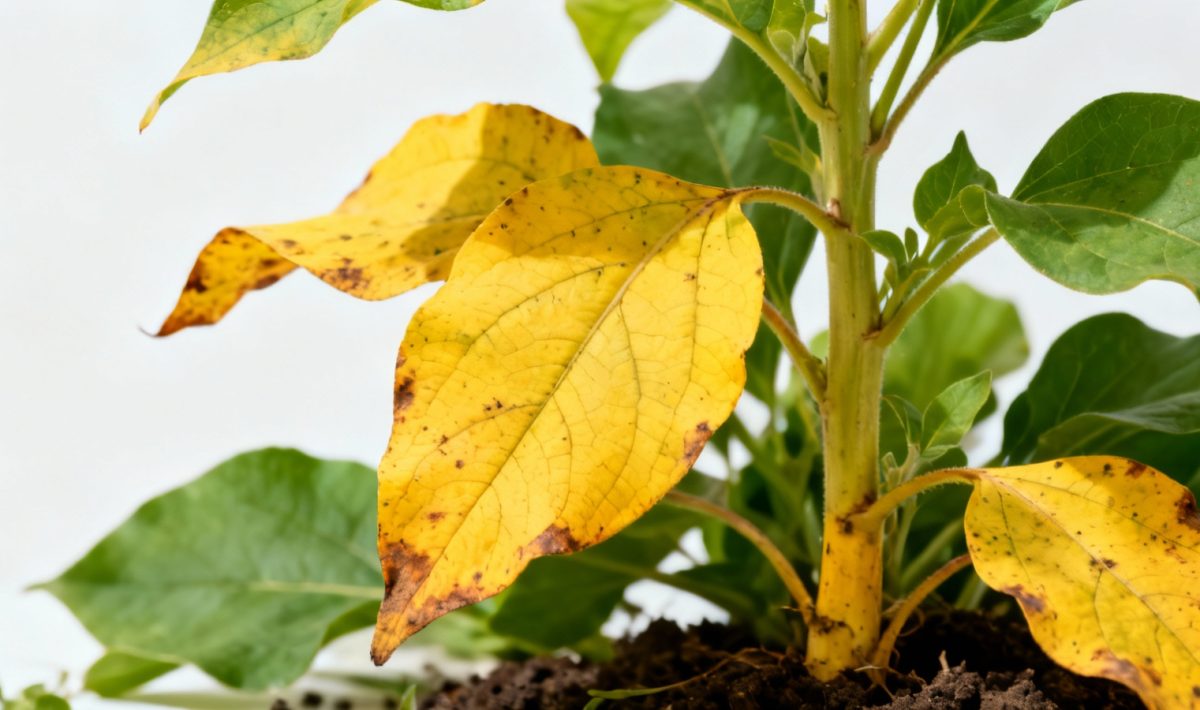
Why are my jerusalem artichoke leaves turning yellow – chemical composition and plant health
Jerusalem artichokes are robust crops that can thrive in various conditions, but yellowing leaves often signal underlying issues with the plant’s chemical composition needs. When these tubers show signs of distress, understanding the agricultural factors at play becomes essential for maintaining healthy production.
The yellow discoloration typically indicates that your jerusalem artichoke is experiencing stress from environmental factors or nutrient imbalances in the soil. These plants require specific chemical elements for optimal growth and performance in organic agriculture systems.
Several environmental conditions can affect the chemical performance of jerusalem artichokes and lead to yellowing foliage. The most common factor is inadequate sunlight exposure, as these crops need at least six hours of direct light daily for proper photosynthesis.
Water stress plays a crucial role in plant health. Both overwatering and underwatering can disrupt the chemical processes within the roots and tubers. When soil becomes waterlogged, it prevents essential oxygen from reaching the root system, leading to poor nutrient uptake and subsequent yellowing of leaves.
Temperature fluctuations also impact these tropical-adapted plants. Jerusalem artichokes are sensitive to extreme heat or cold, which can interfere with their natural chemical processes and cause leaves to turn yellow as a protective response.
✅ Quick Checklist
Is the soil too wet or too dry?
Is the plant getting 6+ hours of sunlight daily?
Have you fertilized in the last 2 months?
Are there visible pests under the leaves?
Does the pot have adequate drainage?
🔥 FREE
📱
Diagnose your plant in one click!
AI instant diagnosis • Personalized solutions • 50,000+ species
The chemical composition of your soil directly influences the health of jerusalem artichoke plants. Nitrogen deficiency is one of the most common causes of yellowing, as this essential element is crucial for protein synthesis and chlorophyll production in all agricultural crops.
Potassium deficiency can also manifest as yellowing leaves, particularly along the edges. This chemical element helps regulate water uptake and is vital for the plant’s overall performance in both traditional and organic farming systems.
Iron deficiency, known as chlorosis, creates distinctive yellow patterns between leaf veins while the veins themselves remain green. This occurs when the soil pH is too high, preventing the plant from absorbing this essential chemical element despite its presence in the soil.
Similar yellowing patterns can occur with other plants, such as the causes of yellowing honeysuckle leaves, which share comparable nutritional requirements.
Testing and improving soil chemistry
Conducting a soil test reveals the chemical composition and helps determine which nutrients your jerusalem artichokes need. Most garden centers offer testing kits, or you can send samples to agricultural research facilities for comprehensive analysis.
Organic matter improves soil chemistry naturally. Adding compost, aged manure, or leaf mold increases the soil’s ability to retain essential chemical elements while improving drainage and aeration around the tubers.
The pH level affects nutrient availability significantly. Jerusalem artichokes prefer slightly acidic to neutral soil (pH 6.0-7.0) for optimal chemical absorption. Wood ash can raise pH naturally, while organic materials like pine needles can lower it.
Disease and pest-related yellowing
Fungal diseases often cause yellowing as one of their first symptoms. These pathogens interfere with the plant’s natural chemical processes and can spread quickly in humid conditions or poorly drained soil.
Root rot is particularly problematic for jerusalem artichokes cultivated in heavy, waterlogged soils. This condition prevents proper nutrient uptake from the soil, leading to yellowing and eventual plant death if not addressed promptly.
Insects like aphids can cause yellowing by feeding on plant juices and transmitting viral diseases. These pests are common across many crops and can significantly impact agricultural production if left unchecked.
Nematodes, microscopic worms in the soil, can damage roots and reduce the plant’s ability to absorb water and nutrients. This damage often manifests as yellowing foliage, similar to how reasons for pomegranate leaf yellowing can indicate root system problems.
Natural treatment approaches
Organic fungicides made from natural products can help control fungal diseases without disrupting beneficial soil chemistry. Neem oil and copper-based treatments are effective options for sustainable agriculture.
Encouraging beneficial insects in your garden creates a natural system for pest control. Plants that attract predatory insects help maintain balance and reduce the need for chemical interventions.
Crop rotation prevents the buildup of soil-borne pathogens that specifically target jerusalem artichokes. This traditional practice maintains soil health and reduces disease pressure over time.
✅ Quick Checklist
Is the soil too wet or too dry?
Is the plant getting 6+ hours of sunlight daily?
Have you fertilized in the last 2 months?
Are there visible pests under the leaves?
Does the pot have adequate drainage?
🔥 FREE
📱
Diagnose your plant in one click!
AI instant diagnosis • Personalized solutions • 50,000+ species
Establishing a consistent watering schedule helps maintain optimal soil moisture for healthy tuber development. Jerusalem artichokes need deep, infrequent watering that encourages strong root growth and prevents chemical imbalances in the soil.
Regular fertilization with organic products supports sustained growth throughout the growing season. These crops are heavy feeders that benefit from applications of compost tea or balanced organic fertilizers during their active growth period.
Mulching around plants helps regulate soil temperature and moisture while adding organic matter as it decomposes. This practice supports beneficial soil chemistry and reduces stress on the plant system.
Long-term soil management
Building soil health through organic practices creates an environment where jerusalem artichokes can thrive with minimal intervention. Adding organic matter regularly improves the soil’s chemical composition and water-holding capacity.
Cover crops planted during off-seasons add nitrogen and other essential elements to the soil naturally. These plants also prevent erosion and maintain soil structure, which supports healthy tuber production.
Monitoring plants regularly allows for early detection of problems before they become severe. Weekly garden inspections help identify yellowing leaves or other symptoms that indicate chemical imbalances or disease pressure.
Understanding the chemical composition requirements of jerusalem artichokes and maintaining proper soil conditions prevents most yellowing issues. With attention to environmental factors, soil health, and plant nutrition, these productive tubers can provide abundant harvests while maintaining vibrant, healthy foliage throughout the growing season.
Allan is a lifelong gardening enthusiast who still gets excited when the first seedlings pop up in spring. With a deep love for nature and a hands-in-the-soil approach, he shares practical tips, plant discoveries, and clever tricks picked up over years of digging, planting, and observing. Whether you’re a new gardener or have a shed full of tools, Allan writes like a neighbor who’s always happy to swap cuttings and stories over the fence.
You can find more about Allan’s work on Malt or connect with him on LinkedIn.