Dahlia Tubers: When and How to Wake Them Up for an Early Spring Head Start
Dahlias are one of the most vibrant and versatile flowers in any garden, offering a wide range of colors and bloom sizes. To ensure an early spring head start, understanding when and how to wake up dahlia tubers is crucial. This process involves careful planning and execution to maximize growth and flowering potential.
To successfully wake up dahlia tubers for an early spring start, gardeners must first understand the basics of dahlia care and the conditions required for optimal growth. Dahlias are typically hardy in USDA zones 8-11, but in cooler climates, the tubers need to be overwintered indoors to protect them from frost. This involves storing the tubers in a cool, dark place with minimal moisture to prevent rot.
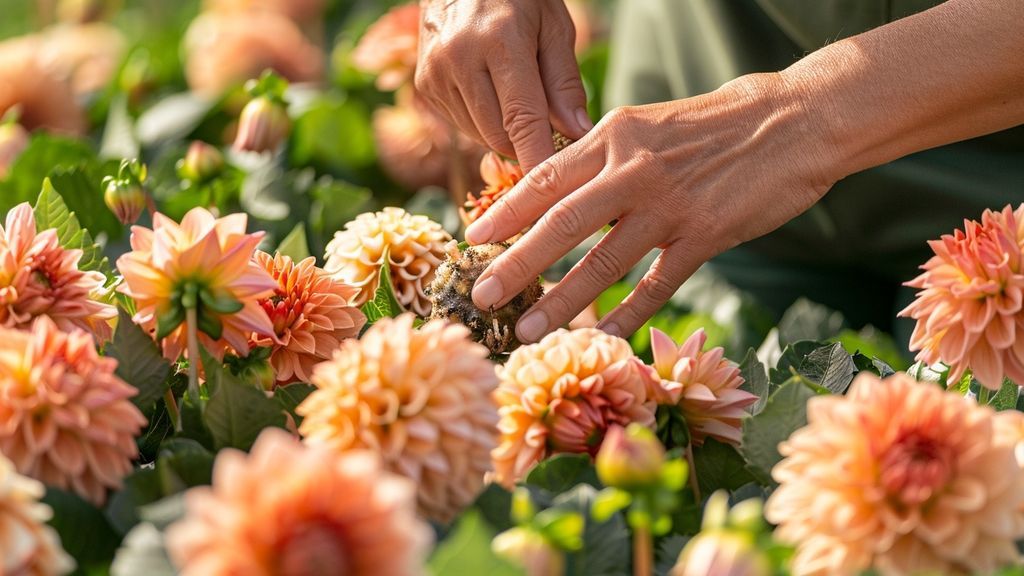
As spring approaches, it’s essential to monitor the tubers for signs of life. This usually begins around late winter to early spring, depending on your location. Gardeners should check for visible eyes or small buds on the tubers, which indicate that the plant is ready to grow.
Identifying the right time
The timing for waking up dahlia tubers depends on your local climate and the last frost date in your area. Generally, it’s best to start preparing the tubers about 4 to 6 weeks before the last frost date. This allows the plants to establish themselves before being moved outdoors.
Checking for readiness
Before waking up the tubers, ensure they are healthy and free from significant damage. Check for any signs of mold or rot, which can be common if the tubers were too moist during storage. A little mold on the surface is normal and can be easily cleaned off, but extensive rot may require cutting away the affected areas to prevent further damage.
Preparing the environment
To wake up the tubers, they need to be placed in a warm, bright location. This could be a greenhouse or a sunny windowsill indoors. The goal is to provide enough light and warmth to stimulate growth without exposing the plants to extreme temperatures.
Potting up dahlia tubers
Once the tubers show signs of life, it’s time to pot them up. This process involves selecting the right soil and container to support healthy growth.
Choosing the right soil
Dahlias prefer well-draining soil that is rich in organic matter. A mix specifically designed for container gardens or potting mixes with added compost can provide the necessary nutrients and drainage.
Selecting the right container
The container should be large enough to accommodate the mature size of the dahlia plant. A deep pot is recommended to allow for good root development. Ensure the pot has adequate drainage holes to prevent waterlogged soil.
Planting the tubers
To plant the tubers, follow these steps:
Place a layer of potting mix at the bottom of the container.
Position the dahlia tuber with the eyes facing upwards.
Fill the container with more potting mix, making sure the tuber is covered but the eyes remain exposed.
Water gently but thoroughly.
Providing optimal conditions
After potting, place the dahlias in a warm, bright location. Maintain a consistent temperature above 60°F (15°C) and ensure they receive plenty of indirect sunlight. As the plants grow, they may need support to prevent them from toppling over.
Caring for potted dahlias
Once the dahlias are potted and growing, regular care is essential to promote healthy growth and flowering.
Watering and fertilizing
Dahlias need consistent moisture, especially when they’re producing flowers. However, avoid overwatering, which can lead to root rot. Use a balanced fertilizer to provide nutrients, especially during the flowering period.
Pruning and training
Pruning is crucial for dahlias to encourage bushy growth and more blooms. Remove any weak or spindly stems, and deadhead flowers regularly to promote further flowering.
Protecting from pests and diseases
Keep an eye out for common pests like aphids and slugs, and diseases such as powdery mildew. Use organic or chemical controls as needed to prevent infestations and infections.
Moving outdoors
As the weather warms up and the risk of frost diminishes, it’s time to move the dahlias outdoors. This transition should be gradual to prevent shock.
Hardening off
Before moving the dahlias outside permanently, they need to be hardened off. This involves gradually exposing them to outdoor conditions over a period of about a week. Start by moving them outside for a few hours a day, increasing the duration each day.
Final placement
Once hardened off, choose a location with full sun and well-draining soil. Dahlias thrive in sunny spots with at least six hours of direct sunlight per day.
Waking up dahlia tubers for an early spring start requires careful planning and attention to detail. By following these steps and providing the right conditions, gardeners can enjoy vibrant blooms throughout the summer months. Whether you’re a seasoned gardener or just starting out, dahlias offer a rewarding and beautiful addition to any garden.
Allan is a lifelong gardening enthusiast who still gets excited when the first seedlings pop up in spring. With a deep love for nature and a hands-in-the-soil approach, he shares practical tips, plant discoveries, and clever tricks picked up over years of digging, planting, and observing. Whether you’re a new gardener or have a shed full of tools, Allan writes like a neighbor who’s always happy to swap cuttings and stories over the fence.
You can find more about Allan’s work on Malt or connect with him on LinkedIn.